



The 'Gram-Worthy' Treadmill
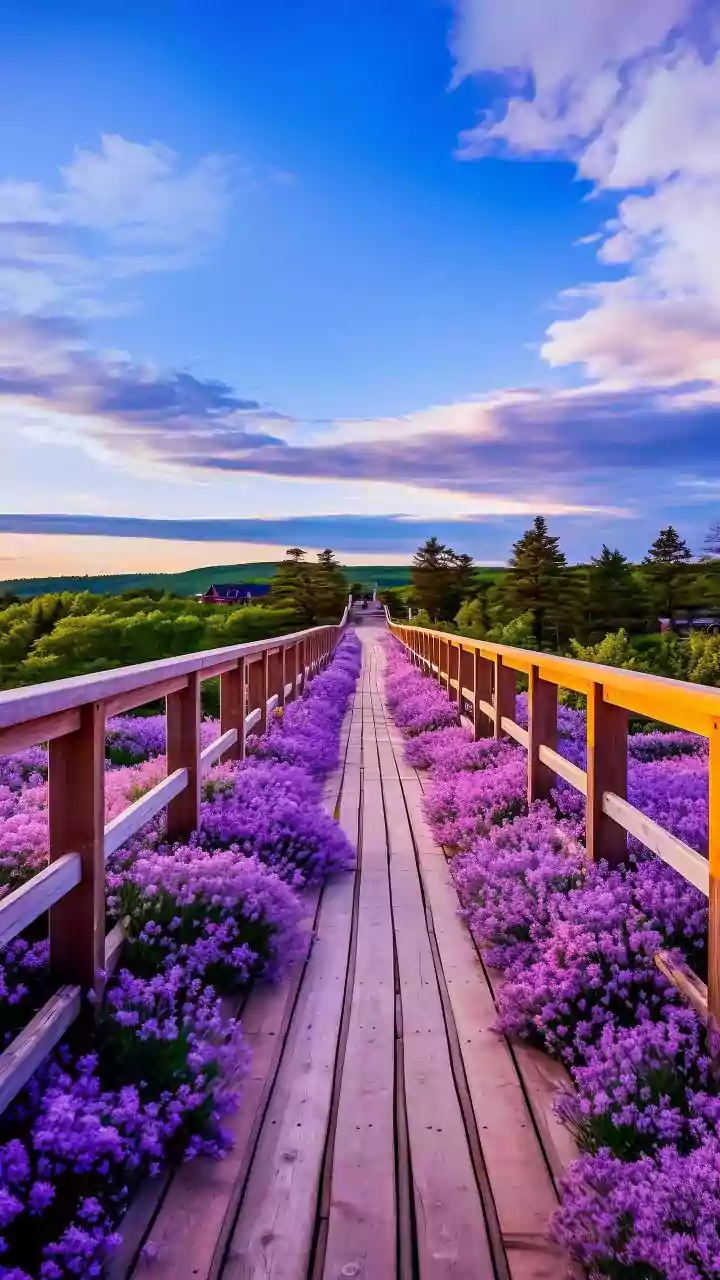
For the last decade, a certain kind of travel has dominated our screens. It’s a highlight reel of infinity pools, perfectly styled picnic blankets on Parisian lawns, and solo hikers gazing thoughtfully from a cliff's edge. This aesthetic, curated for
maximum social media impact, has created a powerful pressure to perform our vacations rather than experience them. The result is often a trip built around a checklist of photo ops, where the moments between camera clicks feel like a frantic rush to the next location. This can lead to a strange, hollow feeling—a sense of travel burnout where you return home with a full camera roll but an empty sense of restoration. You did all the things you were 'supposed' to do, but you didn't get what you actually needed. The focus on documentation can rob travel of its spontaneous, restorative, and personal power, turning a potential escape into just another form of work.
Defining ‘Functional Travel’
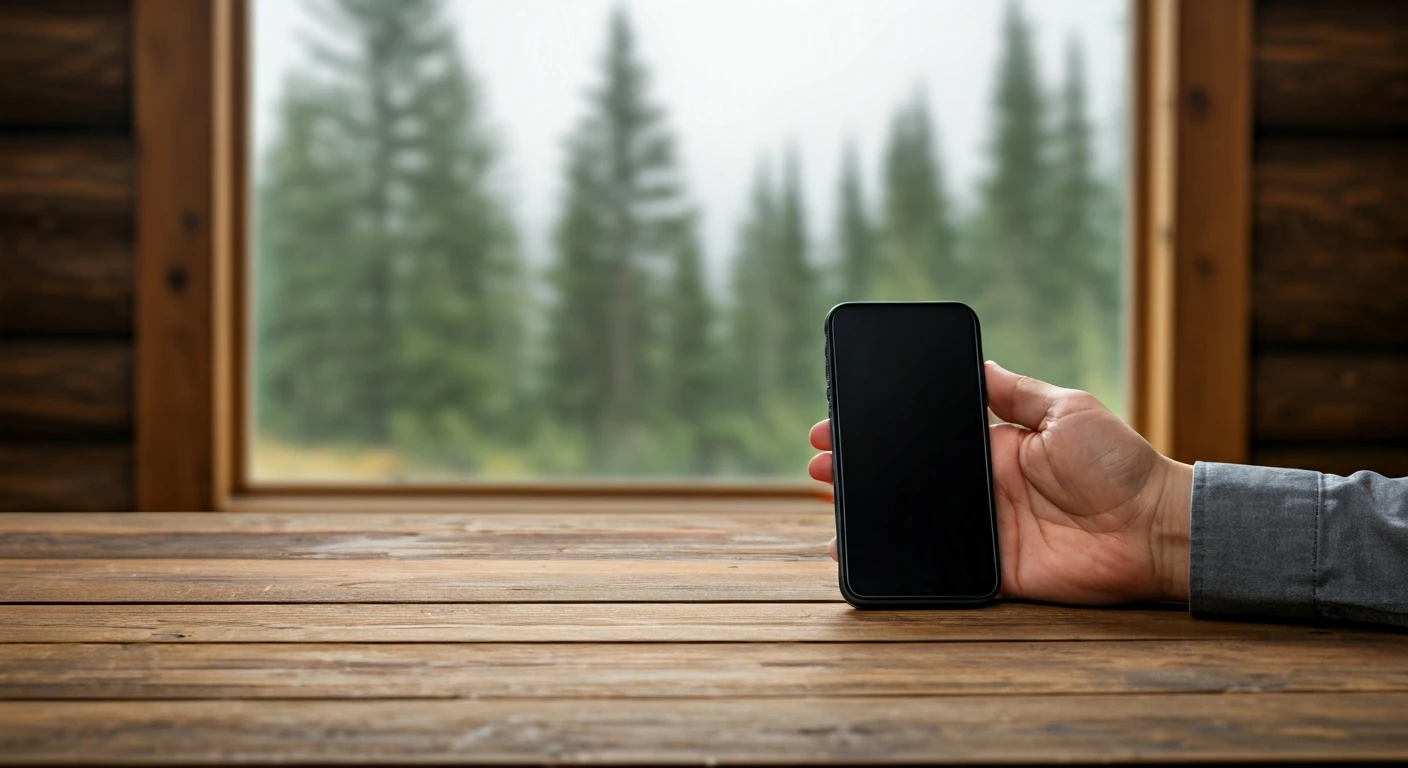
Enter functional travel. This isn't a new brand of tourism or a specific type of destination. It’s a mindset shift. At its core, functional travel prioritizes a trip’s purpose over its presentation. It starts with a simple question: What do I need right now? The answer has nothing to do with aesthetics and everything to do with your well-being. Maybe you need deep, uninterrupted rest. Perhaps you need to reconnect with a partner or family members without daily distractions. You might need inspiration, a new skill, or simply a change of scenery to finish a big work project. Functional travel designs the entire trip around meeting that specific need. A vacation designed for rest might involve a quiet cabin with a no-screens rule, while one for connection might be a shared house with loved ones, focused on communal meals and conversation. It’s about being an active participant in your own restoration and growth, rather than a passive consumer of pre-packaged experiences.
The Rise of Purposeful Trips
This shift is already visible in emerging travel trends. The rise of “bleisure” travel, where professionals extend work trips for a few days of personal exploration, is a prime example of blending function. Companies are increasingly open to “workcations,” where employees can work remotely from a new, inspiring location, boosting both productivity and morale. Beyond the professional sphere, wellness retreats are booming, offering everything from yoga and meditation to digital detoxes and sleep therapy. These trips have a clear function: to combat burnout and restore mental health. We also see the rise of “skill-cations,” where travelers learn something new, like a language in Costa Rica, a cooking style in Italy, or surfing in California. Even family travel is becoming more functional, with a post-pandemic emphasis on multi-generational trips designed purely for reconnection after years of distance. These aren't just vacations; they are strategic investments in one's life, career, and relationships.
How to Plan Your Own Functional Trip
Planning a functional trip requires a bit of introspection before you even look at a map. Forget asking, “Where do I want to go?” and start with, “What do I want to *feel* when I come back?”
1. Identify Your Need: Be honest with yourself. Are you creatively blocked? Socially drained? Starved for adventure? Physically exhausted? Name the primary function your trip needs to serve.
2. Design Around the Function: If you need rest, don’t book a trip with a packed itinerary and multiple city hops. Choose a single, calm location. If you need inspiration, seek out a place rich in art, history, or natural beauty that speaks to you personally, not just what’s trending.
3. Set Functional Goals, Not Photo Goals: Instead of a shot list, create a goal list. “Read one book without interruption.” “Have a three-hour dinner with my partner.” “Learn to make one local dish.” These small, achievable goals align the trip with its purpose.
4. Give Yourself Permission: Let go of the need to prove you had a good time. A successful functional trip might leave you with few photos but a profound sense of having accomplished your mission, whether it was to sleep for ten hours a night or to finally have a conversation that mattered.