


The Triple Threat of Distraction
Safety experts like the National Highway Traffic Safety Administration (NHTSA) categorize distractions into three types: visual (taking your eyes off the road), manual (taking your hands off the wheel), and cognitive (taking your mind off driving). Eating
behind the wheel is one of the few activities that hits all three at once. Your eyes glance down to find a stray fry. One hand is holding the food instead of the wheel. Your mind is partly focused on not spilling sauce on your shirt. Each of these diversions is a risk on its own. When they happen simultaneously, your ability to react to a sudden stop or a swerving vehicle is critically compromised. You might think you can handle it, but you are effectively driving with a self-imposed handicap.
Why Rain Is the Ultimate Risk Multiplier
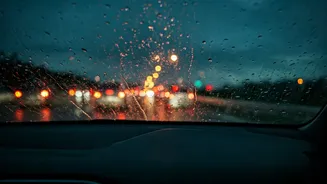
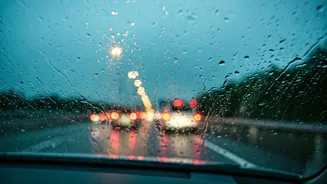
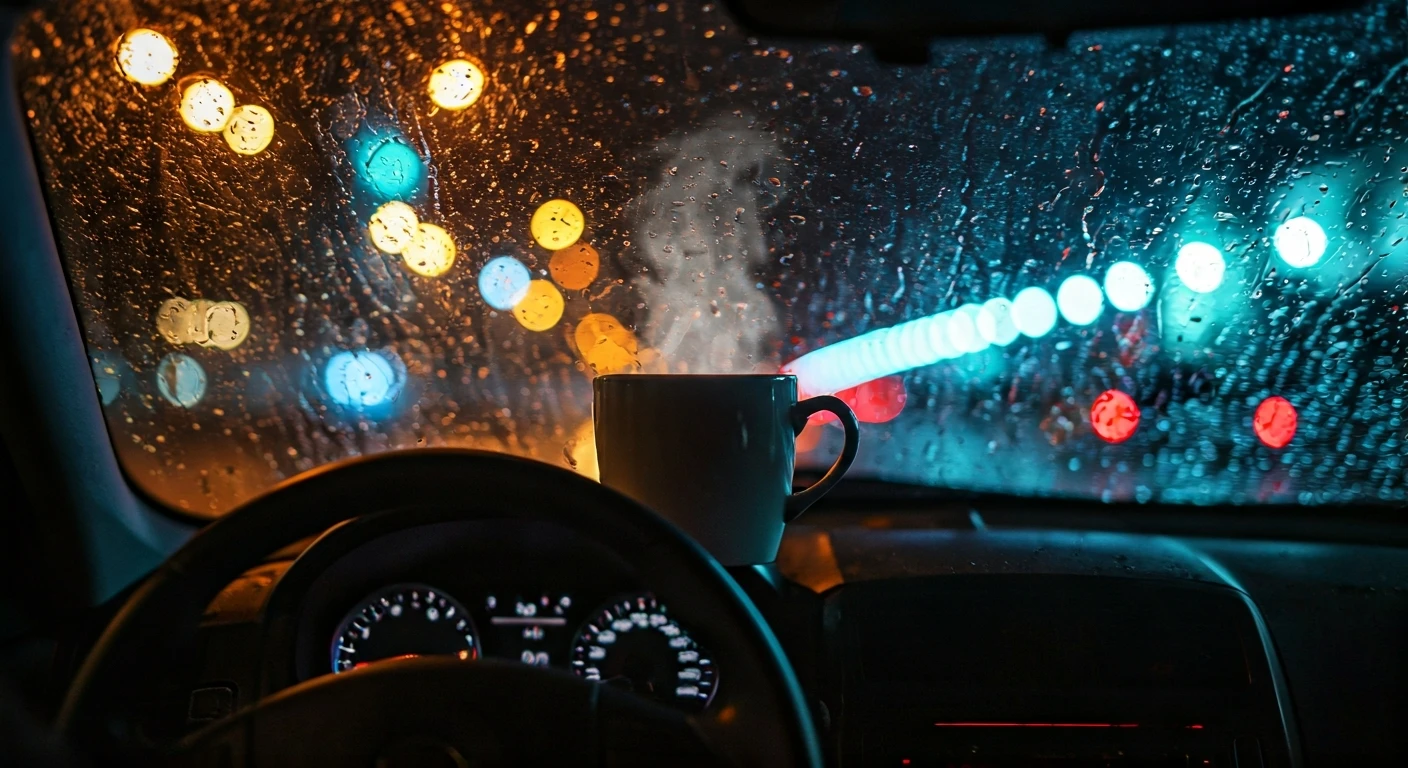
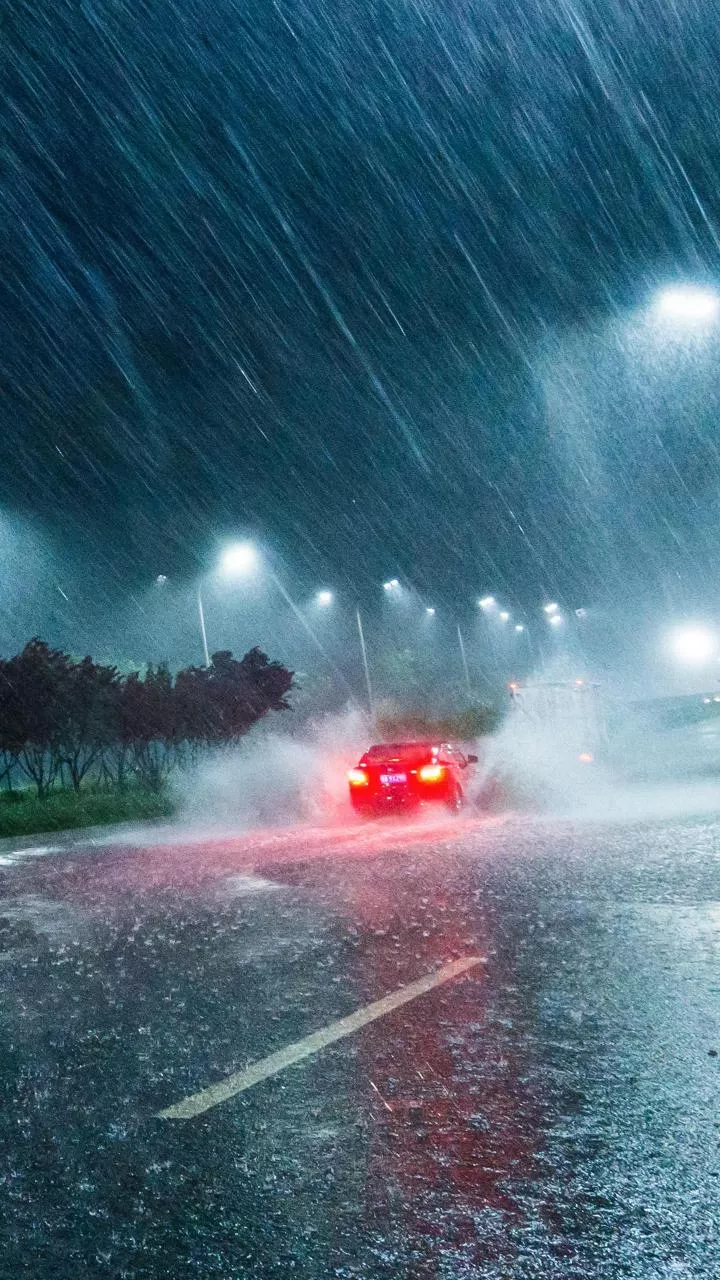
Now, add rain to the equation. Inclement weather already stacks the deck against you. Visibility is reduced, not just by the rain on your windshield but by the spray kicked up from other cars. Your tires have less grip on wet pavement, which, according to the U.S. Department of Transportation, can increase stopping distances by two to three times compared to dry roads. Hydroplaning becomes a real and sudden danger. Driving safely in the rain requires a heightened state of awareness and a larger buffer zone between you and other vehicles. Your full cognitive and physical capacity is needed just to manage these baseline risks. Introducing a distraction like eating doesn't just add to the risk; it multiplies it by robbing you of the exact resources you need to navigate the hazardous conditions.
It’s Not Just About Spilling Your Coffee
The danger of eating while driving isn’t just about a dramatic moment of losing control while fumbling with a sandwich. It’s about the hundreds of micro-decisions and delayed reactions that stack up over a journey. That half-second you look down to open a ketchup packet is a half-second you’re not seeing the brake lights ahead. The mental energy spent trying to balance a taco is energy not spent anticipating a car pulling out from a side street. A study by the AAA Foundation for Traffic Safety found that the cognitive distraction from a task can persist even after you’ve stopped doing it. So even after you’ve finished your snack, your mind may not be fully back on the road. On a slick, rainy street, that lingering mental fog is the difference between a safe stop and a rear-end collision.
Smarter Habits for a Safer Drive
Breaking the habit of car-bound meals is a conscious choice for safety. The solution is simple: planning. If your mornings are rushed, take five minutes to eat a granola bar at your kitchen counter before you leave. If you’re on a long road trip, budget time for actual pit stops where you can park and eat. Pulling into a well-lit parking lot to finish your food is not an inconvenience; it’s a responsible driving practice. If you absolutely must have something in the car, make it a sealed bottle of water or a snack that requires zero preparation and minimal handling. The goal is to separate the act of eating from the act of operating a two-ton machine, especially when the environment is already working against you. Treat driving like you would flying a plane or performing surgery: an activity that deserves your undivided attention.