








A Wave of Welcoming Visa Policies
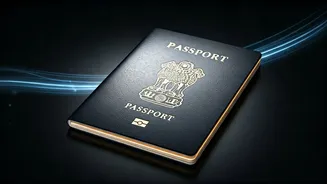
Perhaps the single biggest barrier to international travel is the visa application. The paperwork, the appointments, the uncertainty—it’s a major deterrent. But across Africa, that wall is coming down for Indian passport holders. In a landmark move, Kenya
recently went completely visa-free for all global visitors, including Indians, for stays up to 90 days. This follows a trend set by countries like Rwanda and Tanzania, which have streamlined their processes with efficient e-visas or straightforward visa-on-arrival systems. Instead of weeks of planning, travelers can now make more spontaneous decisions. This shift signals a deliberate effort by African nations to court the burgeoning Indian tourist market, recognizing them as a high-growth demographic eager to explore.
The Sky Bridge Is Expanding
It’s simple math: the more flights there are, the cheaper and more convenient it is to travel. For years, reaching many parts of Africa from India required multiple layovers, often through Europe or the Middle East. That’s changing fast. Airlines like Ethiopian Airlines have turned Addis Ababa into a major hub connecting multiple Indian cities directly to destinations all over the African continent. Similarly, Kenya Airways and Air India have been strengthening routes, reducing travel time from over 20 hours to a far more manageable 7-9 hours for direct flights. This increased competition and connectivity doesn't just save time; it drives down airfares, moving an African vacation from a once-in-a-lifetime splurge to a more attainable holiday.
Business Ties Pave the Tourist Trail
Where business goes, leisure follows. The economic relationship between India and many African nations has deepened significantly over the past decade. Indian companies have invested heavily in sectors from telecommunications to agriculture across the continent, leading to a steady flow of professionals and entrepreneurs. This has a direct spillover effect on tourism. An established Indian diaspora and business community create a sense of familiarity and support infrastructure. It means more hotels are accustomed to Indian guests, more people on the ground understand cultural norms, and there's a greater overall feeling of welcome. The corporate traveler of yesterday helps build the comfortable path for the tourist of today.
Tour Operators That Speak the Language
A key anxiety for many international travelers, especially from India, revolves around food and cultural understanding. The rise of specialized tour operators has been a game-changer. Many companies, both African-based and Indian, now offer packages specifically tailored for the Indian market. This goes far beyond just having an English-speaking guide. It means offering vegetarian, vegan, or Jain meal options even on a remote safari. It means designing itineraries that balance wildlife viewing with city exploration and shopping. These operators understand the nuances of a multi-generational family trip and can provide a level of comfort that makes a foreign land feel far less intimidating, ensuring the focus remains on the experience, not the logistics.
Digital Tools Are Closing the Distance
The logistical nightmare of planning a complex trip is largely a thing of the past. The same digital tools that have simplified travel in Europe and Southeast Asia are now robust across Africa’s primary tourist circuits. Improved internet connectivity means travelers can use Google Maps in Nairobi, book a safari lodge in the Serengeti from their phone, and read reviews for a restaurant in Cape Town before they even leave Mumbai. Secure online payment systems, digital booking platforms like Booking.com and Airbnb, and a wealth of blogger and vlogger content provide a level of transparency and ease that empowers independent travel. This digital leap has demystified the continent, replacing old stereotypes with accessible, real-time information.