




Beyond the AstroTurf Patch
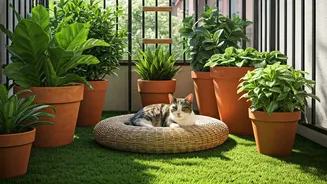
For years, the solution for apartment pets was a sad square of artificial turf on the balcony. But modern pet ownership demands more. The new wave of pet-friendly design focuses on enrichment—creating environments that stimulate an animal's natural instincts.
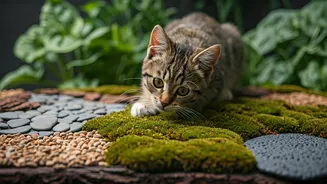
A rooftop pet zone isn't just a bathroom spot; it's a dedicated space for sensory exploration. It provides a dog or cat with novel smells, varied textures, and the opportunity for safe, instinctual behaviors like sniffing, digging (in a designated spot), and even nibbling on pet-safe plants. This approach addresses a growing concern among veterinarians and animal behaviorists: the under-stimulation and boredom faced by pets in urban settings, which can lead to anxiety and destructive habits. By creating a small slice of nature, owners can significantly improve their pet's mental well-being.
Designing the Modern Pet Garden
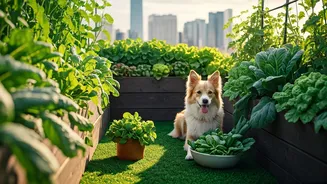
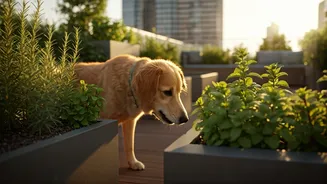
The key to these spaces is integrating them seamlessly into a human aesthetic. Forget flimsy plastic trays; think sleek, modern design. The most popular formats are raised planters made from durable, weather-resistant materials like powder-coated steel, cedar, or composite decking. These elevate the garden to a comfortable height for both pets and people, defining the space and preventing soil from scattering across the patio. Modular systems are also gaining traction, allowing owners to create custom layouts that fit their specific balcony or rooftop dimensions. Good design considers drainage essential, using planters with ample holes and a layer of gravel at the bottom to prevent waterlogging, which can damage roofing materials and harm plants. The goal is to create something that looks like an intentional landscape feature, not a last-minute pet accessory.
A Safe and Savory Herbal Buffet
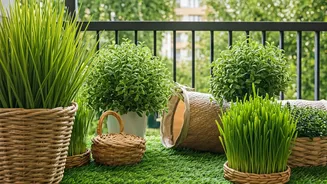
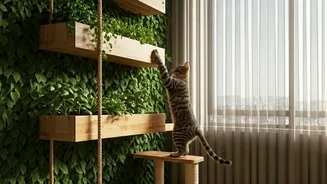
The centerpiece of the pet zone is the grazing garden. While dogs and cats are carnivores, they often chew on plant matter for digestive reasons or simple curiosity. Providing safe options prevents them from nibbling on potentially toxic decorative plants. According to the ASPCA, a variety of common herbs are non-toxic for dogs and cats and perfect for a grazing station. * **Parsley:** Rich in vitamins, it’s a gentle green that many dogs enjoy in small amounts. * **Basil:** Its strong, pleasant scent provides excellent olfactory enrichment. * **Rosemary:** This fragrant, hardy herb is safe for dogs to nibble. Its woody texture can be satisfying to chew. * **Thyme:** A low-growing, durable herb that can handle a bit of foot traffic and offers a new scent to explore. * **Catnip & Cat Grass (for felines):** For cats, a patch of catnip or oat grass is practically mandatory. It provides a safe, stimulating outlet for their chewing instincts. It’s crucial to remember that these are for supplemental grazing, not as a food source. All plants should be grown without chemical pesticides or fertilizers.
Layout and Safety First
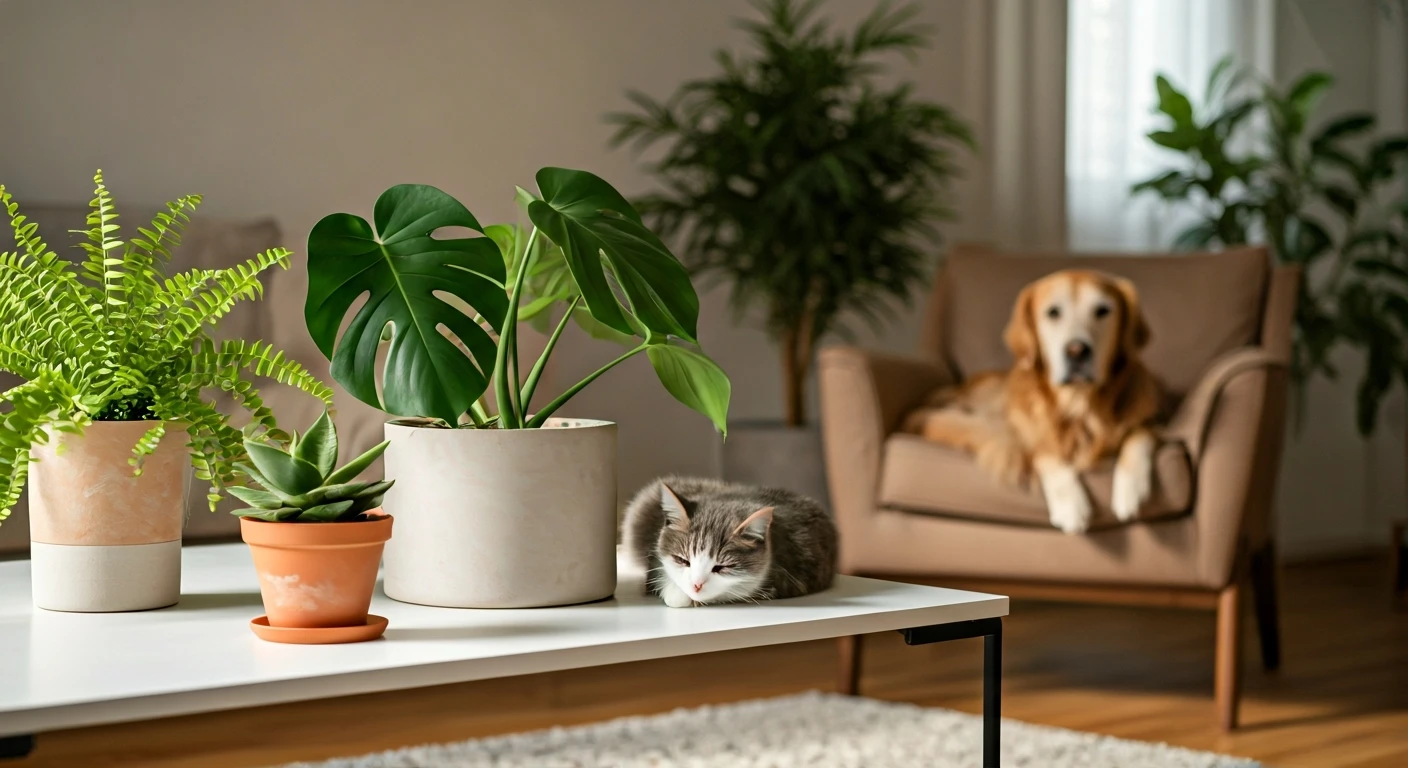
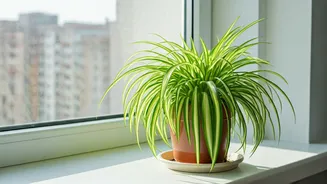
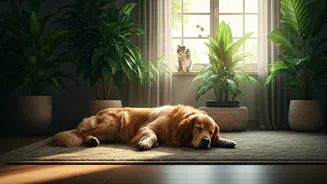
When setting up your pet zone, strategy is everything. Position planters where they will receive the appropriate amount of sunlight for the herbs you’ve chosen—most prefer at least six hours a day. Ensure the planters are heavy enough or secured in a way that they can't be tipped over by a rambunctious pet or high winds, a real concern on exposed rooftops. Most importantly, create a clear boundary. The grazing garden should be the only plant-based 'snack bar' available. Keep all other houseplants, especially toxic ones like lilies, sago palms, and azaleas, well out of reach. Supervise your pet's first few interactions with the garden to ensure they are nibbling gently and not devouring entire plants, which could cause mild stomach upset. Some pets may show immediate interest, while others may take time to explore. Patience and positive reinforcement are key.