



First, What Exactly Is El Niño?
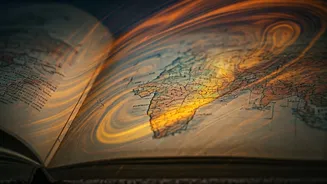
Before strategizing around it, let’s demystify El Niño. It’s not just a quirky weather forecast term; it's a major climate pattern. In simple terms, El Niño occurs when sea surface temperatures in the central and eastern tropical Pacific Ocean become
significantly warmer than average. This massive area of warm water releases a tremendous amount of heat into the atmosphere, which in turn disrupts the normal circulation patterns of wind and water around the globe. Think of it as a giant, slow-motion heat pump in the Pacific that has the power to reroute weather systems. It’s a natural, recurring phenomenon, but its strength varies, and strong El Niño events—like the one we're currently experiencing—have powerful and predictable, yet disruptive, global consequences.
How It Scrambles the Weather Map
The ripple effects of that warm Pacific water change everything. For the U.S., a typical El Niño winter means a cooler, wetter southern tier from California to the Carolinas, and a warmer, drier northern tier, from the Pacific Northwest to the Great Lakes and New England. But its reach is global. It can cause devastating droughts in places like Australia and Indonesia while bringing torrential rains to the coasts of South America. Crucially for many American travelers, it can also influence hurricane seasons. In the Atlantic, El Niño tends to increase wind shear, which can suppress hurricane formation—good news for the Caribbean. However, in the eastern and central Pacific, it can lead to more, and more intense, hurricanes, threatening destinations like Hawaii and Mexico’s west coast.
Strategy 1: Research Your Destination's 'El Niño Normal'
Your first strategic move is to become a student of regional climate. Don’t just look up the average weather for your destination in February; look up what the weather is typically like there during a strong El Niño. Is your dream ski trip to the Pacific Northwest at risk because of a warmer, drier forecast? Is your desert hike in the Southwest likely to be wetter and cooler than you’d expect? Government resources like NOAA’s Climate Prediction Center offer seasonal outlooks that factor in El Niño. A bit of research can help you either pick a destination that’s enjoying the positive side of the pattern or, at the very least, mentally prepare for what’s likely in store.
Strategy 2: Embrace Flexibility and Shoulder Seasons
Since weather is less predictable, rigidity is your enemy. This is the year to build buffers into your itinerary. Instead of a tightly scheduled trip where one rainy day ruins everything, plan for contingencies. This is also a great time to become a fan of the “shoulder season”—the period just before or after the peak tourist season. Booking a trip for late spring instead of mid-summer, for example, might help you dodge the most extreme or unpredictable weather patterns while also saving you money.
Strategy 3: Make Travel Insurance Your Best Friend
If there is one non-negotiable part of your strategy, this is it. In a year where weather-related disruptions are more likely, robust travel insurance is not a luxury—it's a necessity. Don't just get the basic policy. Look for plans that specifically cover weather-related cancellations and interruptions. Even better, consider a “Cancel for Any Reason” (CFAR) policy. It’s more expensive, but it provides the ultimate peace of mind. If a hurricane is churning toward your resort or a drought has led to wildfire risks, a CFAR policy allows you to call off the trip and recoup a significant portion of your costs, no questions asked.
Strategy 4: Pack for Multiple Possibilities
Your packing list needs its own strategy. The days of simply throwing in shorts and t-shirts for a tropical trip might be over, for now. El Niño can bring unseasonable coolness or unexpected downpours to traditionally warm and dry locations. The key is layers. Pack lightweight, waterproof outer shells, quick-drying fabrics, and items you can easily add or remove. Think of it as packing for a four-season day, even if you’re only expecting one. Being prepared for a chilly evening or a sudden rain shower will make you a much happier and more comfortable traveler.