
The Science of the Superior Smash Burger
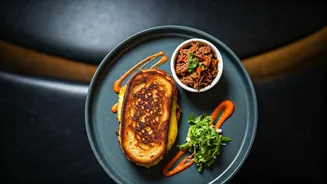
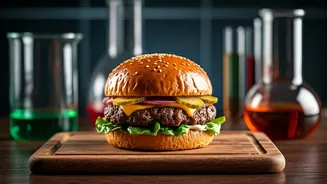
Forget the thick, perfectly round patties of yesteryear. The undisputed king of the 2024 grill is the smash burger, and its dominance is a lesson in chemistry. The goal isn't just cooking the meat; it's about maximizing the Maillard reaction—the complex
chemical process between amino acids and sugars that creates the deeply savory, brown crust we crave. Chefs and discerning home cooks are no longer just winging it. They’re obsessing over details like the ideal beef-to-fat ratio (80/20 is the gold standard), the perfect cooking surface temperature (screaming hot cast iron is key), and the precise pressure and timing for the 'smash.' It's a scientific method for deliciousness: a lacy, crispy, intensely beefy crust that provides a textural contrast to the juicy interior. This isn’t your dad’s casual grilling; it’s applied physics in the service of the perfect bite.
Your Pickle Jar Is Now a Science Lab
The humble pickle is also getting a Ph.D. The recent explosion in fermentation isn't just about preserving summer's bounty; it's about cultivating flavor at a microbial level. Walk through any trendy market and you'll see it: not just dill pickles, but lacto-fermented everything, from spicy giardiniera to beet kvass and kimchi. The science lies in understanding and controlling the wild yeasts and bacteria that turn simple vegetables into complex, tangy, probiotic powerhouses. Food enthusiasts are trading tips on starter cultures, salinity percentages, and fermentation times like day traders swapping stock tips. They’re using precise scales and airlocks, creating controlled environments to foster specific strains of Lactobacillus for a desired level of sourness and funk. The result is a 'new-stalgic' product—it looks like grandma's pickle, but it’s been engineered for a deeper, more vibrant flavor profile that’s as much a science project as it is a snack.
Re-engineering Ice Cream and Popsicles
Even the ice cream truck isn't safe from the march of science. The difference between a sublime, creamy scoop and an icy, grainy mess comes down to molecular science—specifically, the size of ice crystals. The smaller the crystals, the smoother the mouthfeel. Artisanal creameries and even high-end home cooks are now employing techniques once reserved for chemistry labs to achieve this. They use natural stabilizers like guar gum or xanthan gum to bind water molecules and prevent large crystals from forming. Some are even experimenting with liquid nitrogen for flash-freezing, which creates the smallest possible crystals for an impossibly smooth texture. For popsicles, the game is about perfecting the sugar-to-liquid ratio (the Brix level) to ensure a satisfying bite rather than a rock-hard block of ice. This technical approach transforms a simple frozen treat into a feat of culinary engineering.
More Than Just Comfort Food
So why is this happening now? It's a trend you could call 'New-stalgia.' In an uncertain world, we crave the comfort of familiar foods. But as a culture obsessed with optimization, we also want the 'best' version of everything. We have access to more information than ever before, thanks to food science communicators like J. Kenji López-Alt and a legion of YouTube chefs who break down culinary chemistry for the masses. We don't just want a hot dog; we want a hot dog with a perfectly fermented, homemade kraut, nestled in a scientifically formulated potato bun. This movement isn't about replacing old-school foods. It's about honoring them by understanding, on a chemical and physical level, what makes them so good—and then turning that dial up to eleven.