




The New Face of 'Swicy'
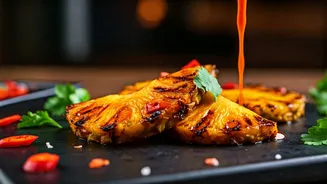
Take a walk down the condiment aisle of any supermarket, and you’ll find a wall of bottled heat. But while the hot sauce boom continues, a fresher, more dynamic alternative is firing up grills and restaurant kitchens across the country: spicy grilled
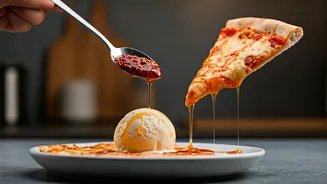
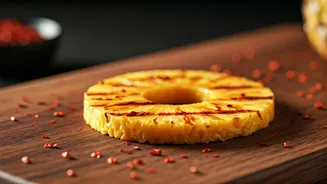
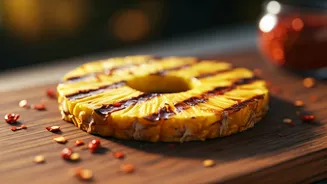
pineapple. This isn't just pineapple salsa. The key is the grill, which transforms the fruit's bright sweetness into something deeper, smokier, and more complex. Caramelized edges and a tender, juicy interior create a perfect canvas for the sharp kick of jalapeños, habaneros, or smoky chipotles. The result is a condiment that hits all the notes: sweet, spicy, tangy, and smoky. It’s less a single-note sauce and more of a full-fledged topping, a relish that adds texture and a burst of tropical complexity to everything from grilled chicken and fish tacos to pork chops and even vanilla ice cream.
From Al Pastor to Center Stage
The combination of pork and pineapple isn't new—we have tacos al pastor to thank for that iconic pairing. But what we're seeing now is the deconstruction of that idea, where the spicy pineapple element breaks free to become its own star. The trend feels like a natural evolution of several American culinary movements. First, there’s the explosion of outdoor grilling and smoking culture, which has prompted home cooks to experiment beyond basic burgers. Second, it’s a key player in the rise of 'swicy' (sweet + spicy) flavors, a trend that brought us the hot honey craze and made gochujang a household name. Chefs in food-forward cities are putting their own spin on it, using it as a glaze for wings, a relish for crudo, or a vibrant counterpoint to rich, savory meats. It’s a signal that American palates are craving more than just straightforward heat; we want nuance and adventure.
The Irresistible Science of Sweet Heat
There's a reason this combination is so addictive, and it comes down to a bit of food science. The fiery sensation from capsaicin—the compound that makes chili peppers hot—can be overwhelming on its own. But when paired with sugar, the experience changes. The sweetness of the caramelized pineapple provides a pleasant, immediate reward that helps balance and temper the slow-building burn of the pepper. The fruit's natural acidity also cuts through richness, cleansing the palate and making you want to take another bite. This dynamic interplay makes the condiment feel exciting and satisfying in a way that a one-dimensional hot sauce sometimes can't. It’s not about obliterating your taste buds with heat; it’s about creating a harmonious, layered experience where each ingredient elevates the others.
A DIY Kitchen Upgrade
While you might see fancy versions on restaurant menus, spicy grilled pineapple is fundamentally a simple, rustic dish that’s incredibly easy to make at home. The barrier to entry is low, but the rewards are high. All you need is a fresh pineapple, a grill or grill pan, and your favorite chili pepper. Start by cutting a pineapple into spears or thick rounds and grilling them over medium-high heat until you get distinct char marks and the fruit softens. Let it cool slightly, then finely dice it. In a bowl, mix the warm, smoky pineapple with finely chopped red onion, fresh cilantro, a squeeze of lime juice, and a minced pepper—a jalapeño for mild heat or a habanero for a serious kick. Season with a pinch of salt. That's it. You can adjust the sweetness, heat, and acidity to your liking. It’s a versatile, impressive-looking condiment that will instantly elevate your next backyard barbecue and make you look like a culinary genius.