


A City's Appetite Returns
For a city that thrives on constant motion, the pandemic-era lockdowns were a profound shock to Mumbai's system. Streets that once pulsed with energy fell silent, and nowhere was the silence more deafening than in its legendary restaurant scene. From
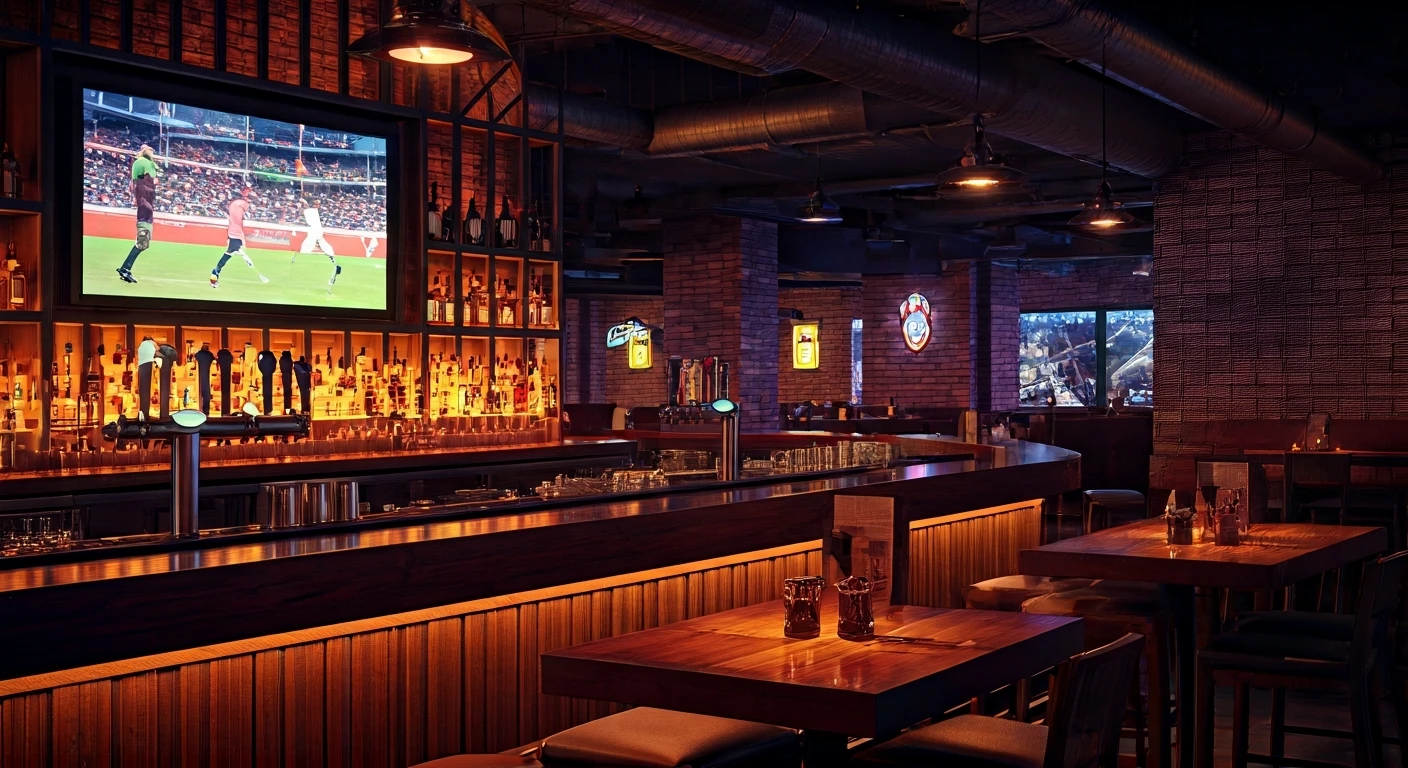
the colonial-era clubs of Colaba to the trendy bistros of Bandra, a culture built on communal dining and culinary exploration was forced indoors. The initial phase of reopening was cautious, dominated by a return to familiar comfort foods. But now, something has shifted. A wave of what industry insiders call “revenge dining” has washed over the city, and with it, a renewed and intensified hunger for novelty, experience, and a taste of the world that was temporarily off-limits.
From Binge-Watching to Binge-Eating
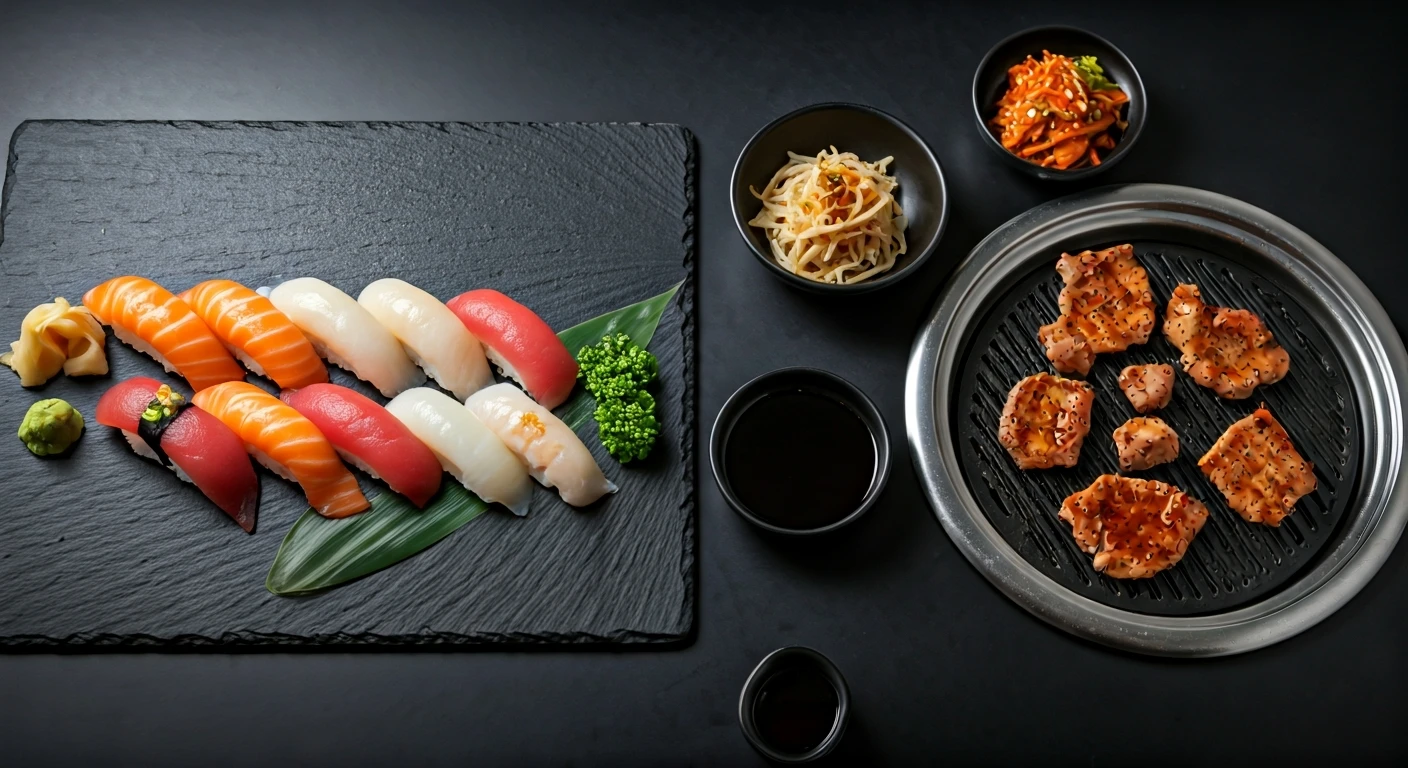
The current boom in global cuisine is not a sudden development but an acceleration of a pre-existing trend, supercharged by lockdown habits. Confined to their homes, Mumbaikars, like the rest of the world, traveled through their screens. They binged Spanish dramas on Netflix, fell in love with Korean characters in K-dramas, and scrolled through a world of food on Instagram and TikTok. This digital diet created a powerful, latent demand. When the city’s doors reopened, diners didn't just want a meal; they wanted to taste the cultures they had been watching. Restaurateurs report a direct line from the popularity of shows like *Squid Game* to the explosion of interest in Korean BBQ, tteokbokki, and soju cocktails. The screen created the craving, and now the city's chefs are satisfying it.
The New Global Menu
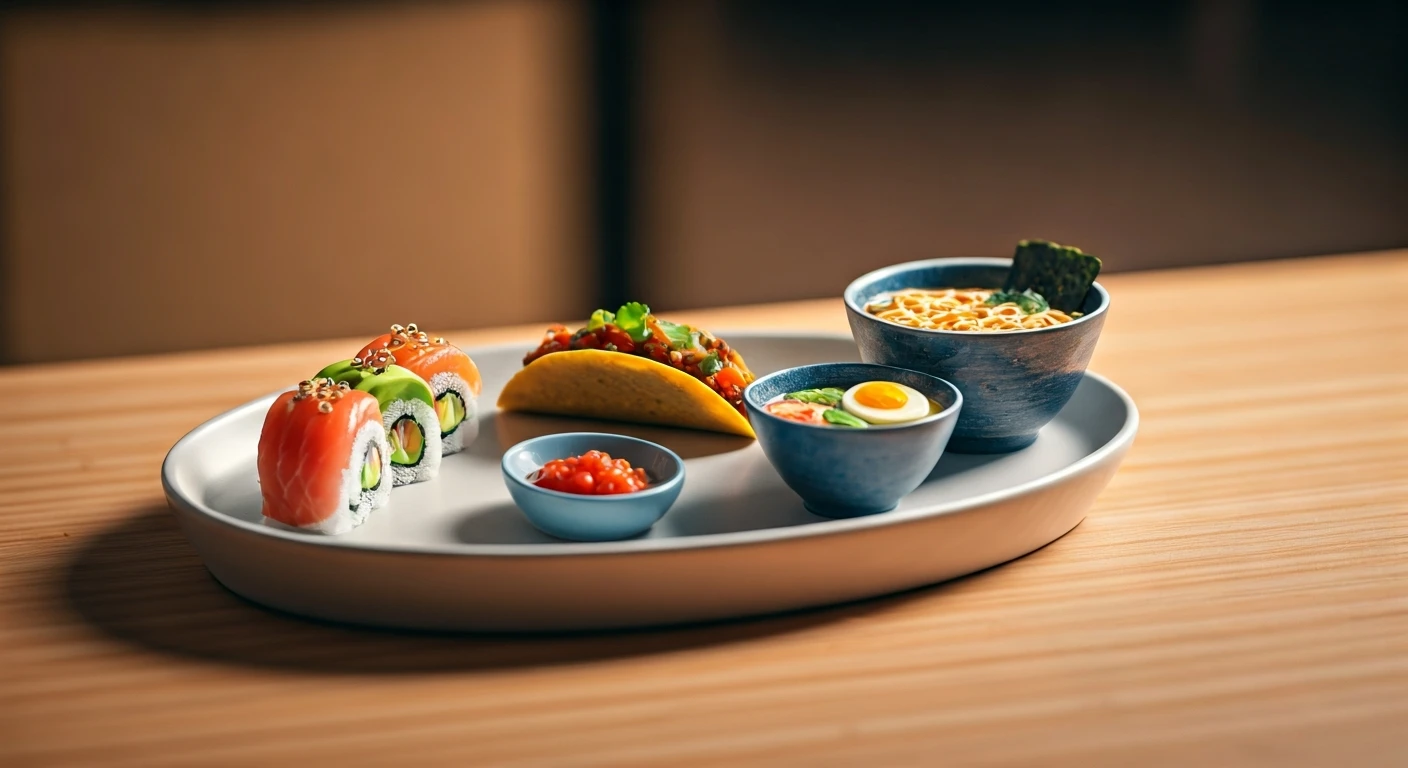
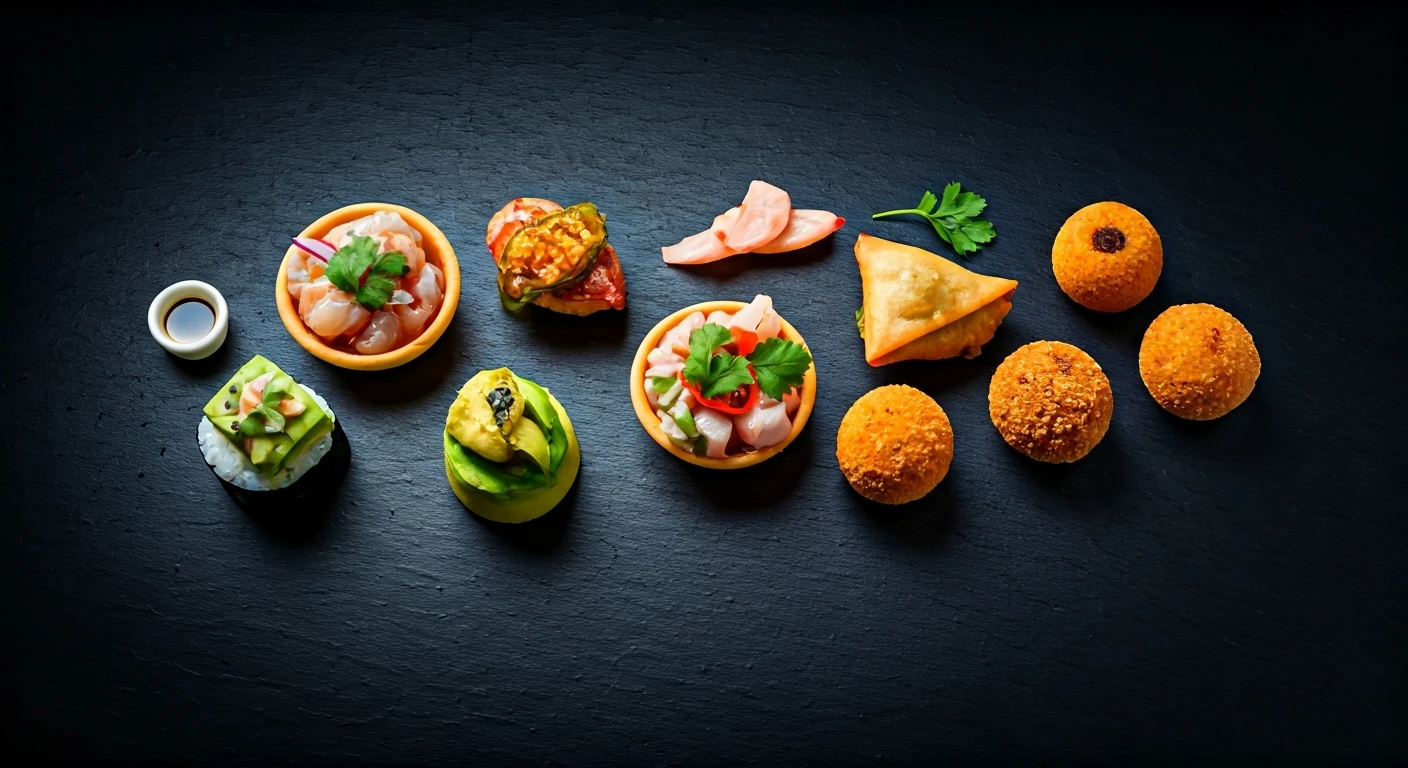
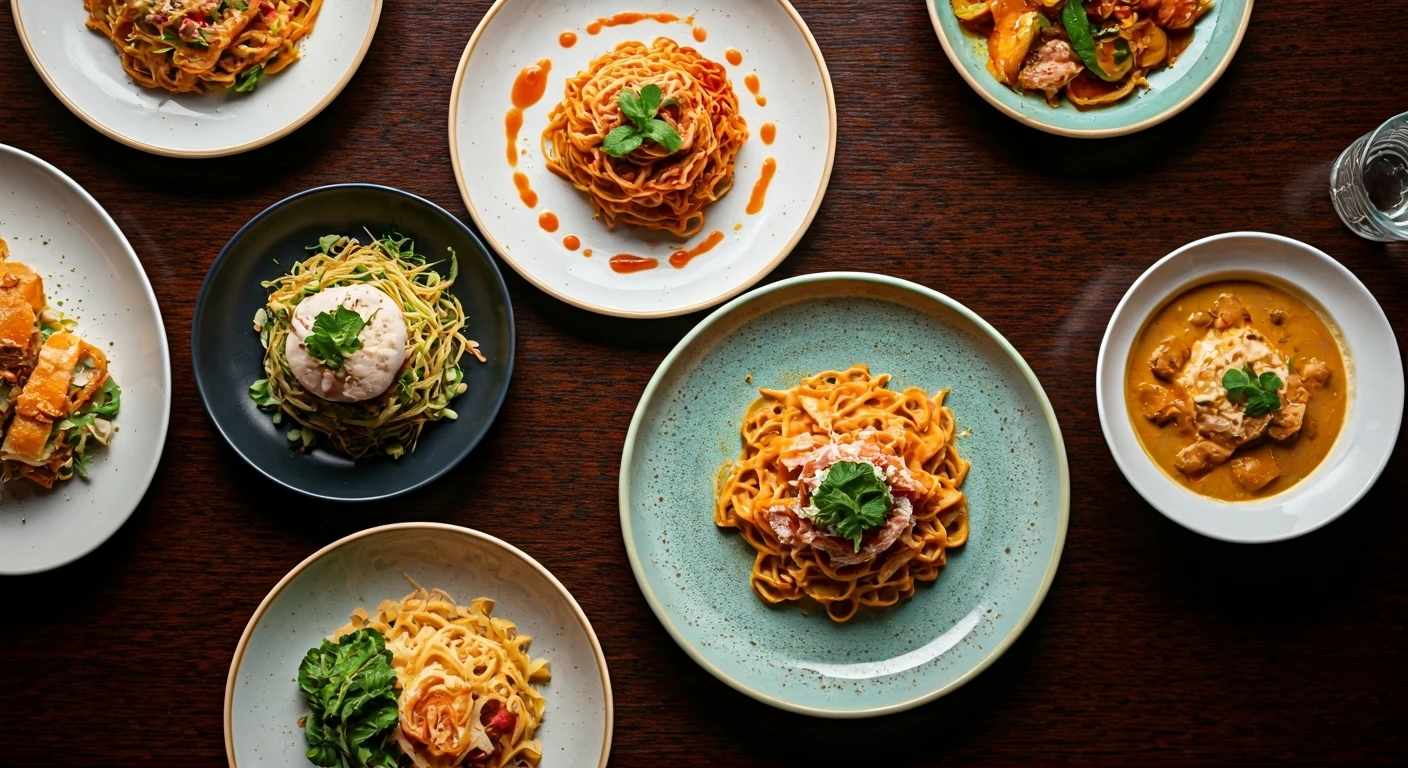
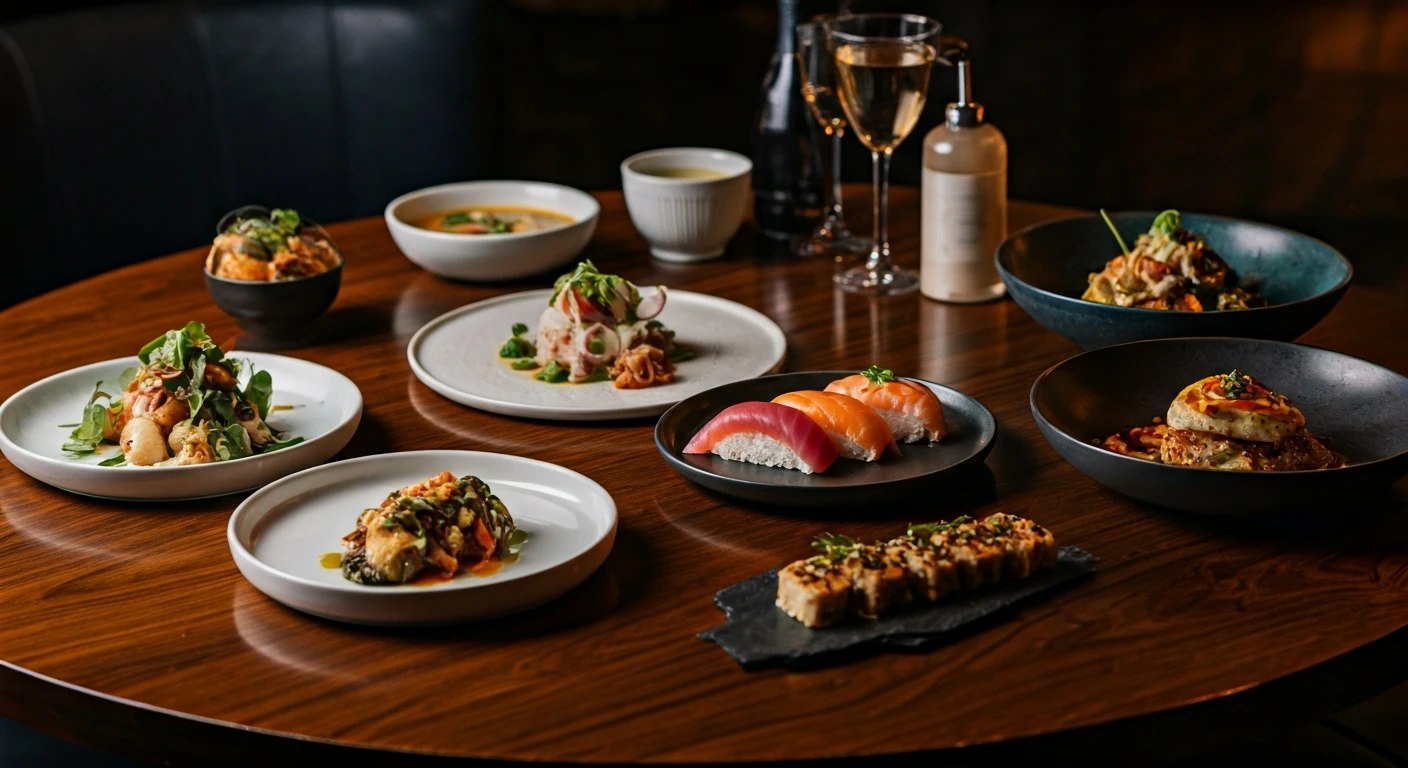
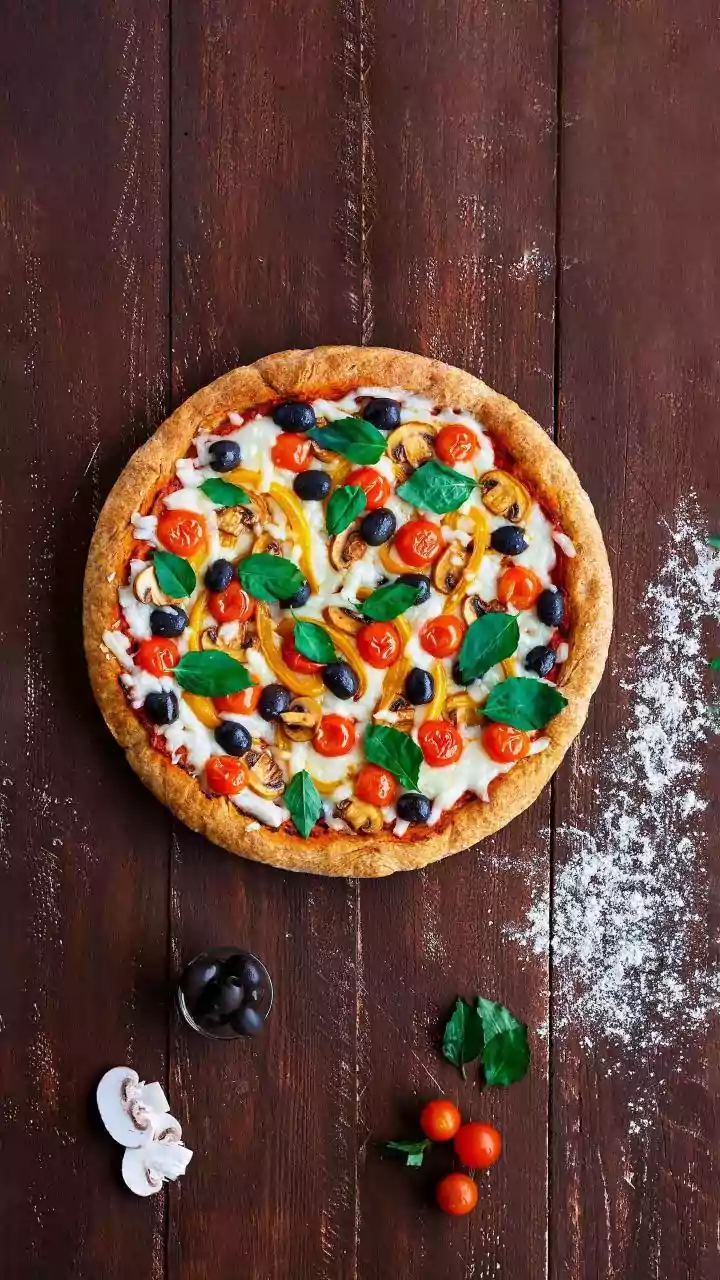
So, what does this new global palate look like? It’s sophisticated, specific, and goes far beyond the old staples of generic 'Continental' or 'Chinese' food. At the high end, Japanese cuisine is having a major moment. Intimate omakase counters, where diners entrust their entire meal to the chef, are booked weeks in advance. The demand is for authenticity—not California rolls, but pristine cuts of otoro and uni, often flown in fresh. Simultaneously, Latin American flavors, particularly Peruvian and its Japanese-influenced cousin, Nikkei, are finding a dedicated following with ceviches and tiraditos. Modern European and chic Italian trattorias are also flourishing, serving up handmade pastas and artisanal pizzas that rival what you might find in Milan, reflecting a desire for refined yet comforting international fare.
Mumbai's Signature on the World's Plate
Crucially, this isn't a story of cultural replacement. Mumbai’s culinary scene has never been about simple imitation. Instead, it’s about absorption and adaptation. The best new restaurants are not just cloning global concepts; they are reinterpreting them through a uniquely Mumbai lens. Chefs are incorporating local ingredients—Himalayan cheese in a cacio e pepe, Konkan spices in a Peruvian marinade—and tailoring flavors to the city's bold palate. This fusion creates a dining experience that feels both worldly and deeply rooted in its location. It’s a testament to the confidence of a city that has always been a crossroads of culture. It doesn't just import trends; it digests them, adds its own distinct flavor, and creates something entirely new.