





So, What Is 'Digital Gold'?
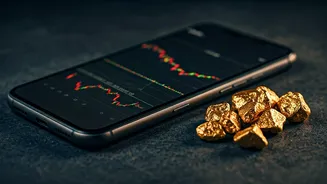
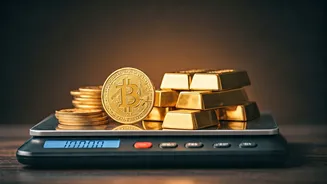
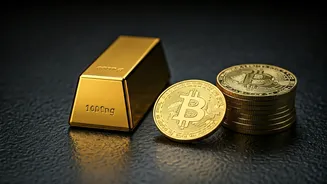
First, let's clear up some confusion. While Bitcoin is often called 'digital gold' as a nickname, we're talking about something far more literal: tokenized physical gold. Imagine a real, one-ounce gold bar sitting in a secure, audited vault in London
or Zurich. A company creates a digital token on a blockchain (similar to the tech behind cryptocurrencies) that represents ownership of that specific bar. One token equals one ounce of gold, legally and verifiably. This isn't a new asset; it's a new, high-tech wrapper for the world's oldest asset. Unlike a Gold ETF (Exchange Traded Fund), where you own shares in a fund that owns gold, these tokens often represent direct ownership of the underlying metal. This allows for fractional ownership, 24/7 trading outside of stock market hours, and easier self-custody for those who are tech-savvy.
The Search for a Better Safe Haven
The backdrop for digital gold’s rise is a familiar story of economic anxiety. Persistent inflation erodes the value of cash. Geopolitical instability makes investors nervous about traditional markets. These conditions always send people running toward gold. However, owning physical gold has its own headaches: it's expensive to store securely, difficult to transport, and can be illiquid if you need to sell it quickly. Gold ETFs solved some of these problems but introduced new ones, like being tethered to market trading hours and involving layers of financial intermediaries. Digital gold aims to be the best of both worlds: the tangible security of physical gold with the speed, divisibility, and accessibility of a digital asset. You can send a fraction of an ounce of gold to someone across the world as easily as you send an email, without asking a bank for permission.
The Catalysts for a 2026 'Explosion'
The headline's prediction of an 'explosion' by 2026 might sound like hyperbole, but the building blocks are falling into place. The market for gold-backed tokens has already quietly grown to a multi-billion dollar valuation. The potential for a surge rests on three key catalysts converging. First, institutional adoption. Major financial players, from asset managers to banks, are actively exploring tokenization for all kinds of real-world assets. As they build the infrastructure, gold is the most obvious and logical first step. Second, regulatory clarity. As governments around the world establish clearer rules for digital assets, it will reduce risk and give mainstream investors the confidence to enter the market. Third, improved user experience. Right now, buying digital gold requires some familiarity with crypto wallets. By 2026, expect to see this integrated into mainstream fintech and banking apps, making it as easy to buy a gram of digital gold as it is to buy a stock today.
Not All That Glitters Is Digital
Despite the promise, the path to mainstream adoption isn't without its obstacles. The single biggest risk is counterparty risk: how do you *really* know the physical gold backing your token actually exists and is safe? This hinges entirely on the reputation and auditing practices of the issuing company. A failure by one major provider could shake confidence in the entire sector. Security is another concern. While the blockchain itself might be secure, the platforms, wallets, and exchanges where people store their tokens are perennial targets for hackers. Finally, the market is still fragmented, with competing standards and tokens. For digital gold to truly go global, it needs the kind of seamless interoperability that we currently take for granted with traditional currencies and assets.