






So, What Exactly Is Patoleo?
At its heart, patoleo (also called patoli) is a deceptively simple sweet from Goa, a state on India's southwestern coast famous for its beaches and distinctive cuisine. It’s a type of steamed dumpling, but that description barely scratches the surface.
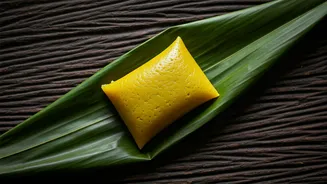
The process begins with a silky paste made from rice flour, which is delicately spread onto a fresh turmeric leaf. This forms the outer layer. The magic happens inside, with a sweet, fragrant filling of freshly grated coconut, jaggery (a rich, unrefined cane sugar with molasses-like notes), and a hint of cardamom. The leaf is then folded into a neat parcel and steamed. The final product isn't eaten with the leaf; instead, you unfurl the steamed packet to reveal a soft, tender cake that has absorbed all the aromatic, earthy essence of the turmeric leaf.
From Goan Monsoon to Your Social Feed
Patoleo is traditionally a hyper-seasonal, hyper-regional delicacy. It’s primarily prepared during the monsoon season when turmeric plants are lush and their leaves are large, pliable, and at their most aromatic. In Goan Catholic households, it's a staple for the Feast of the Assumption on August 15th, a day that also coincides with India's Independence Day, making it a dual celebration. So why is this specific, time-bound treat suddenly having a global moment online? The answer lies in its incredible visual appeal. In a digital world saturated with overly complex unicorn foods and stunt dishes, the simple, rustic elegance of patoleo stands out. The vibrant green leaf, the dramatic 'unboxing' reveal as it’s peeled back, and the wholesome, natural ingredients all photograph beautifully, making it perfect content for food bloggers and creators looking to showcase something authentic.
The Magic Is in the Leaf
To understand patoleo's breakout appeal, you have to appreciate the turmeric leaf. It’s not just a biodegradable cooking vessel; it’s the star ingredient. Unlike banana leaves, which are more of a neutral wrapper, fresh turmeric leaves impart a distinct and unforgettable fragrance and flavor during the steaming process. The aroma is difficult to describe but often called herbaceous, earthy, and slightly gingery—a scent that evokes rain-soaked soil and lush greenery. As the patoleo steams, this subtle perfume infuses the delicate rice cake, balancing the rich sweetness of the coconut and jaggery filling. It's this unique sensory experience—the smell, the ritual of unwrapping, the taste—that makes patoleo so much more than just a sweet. It’s a full-on culinary event, and online videos have become surprisingly effective at translating that multi-sensory magic for a curious audience.
A Craving for Authenticity
Patoleo’s rising popularity is part of a larger trend. Food lovers, particularly online, are increasingly moving beyond generic, pan-Indian restaurant staples like butter chicken and naan. They are actively seeking out the regional, the traditional, and the story-driven. Patoleo is the antithesis of a mass-produced, commercialized food item. It’s a taste of a specific place, a specific season, and a specific culture. It tells a story of monsoon harvests, family traditions, and festive celebrations. For diaspora communities, it’s a taste of home and heritage. For a global audience, it’s a delicious and accessible entry point into the deep and diverse world of Goan cuisine. Its viral moment isn't just about a pretty picture; it's about the internet's power to preserve and amplify culinary traditions that might otherwise have remained a local secret.