






The Golden Hours: Timing Is Everything
The most significant change for most active people is simply *when* they exercise. That midday run or lunchtime boot camp class that felt invigorating in May can become dangerous in July. The sun is at its most powerful and UV radiation is highest between
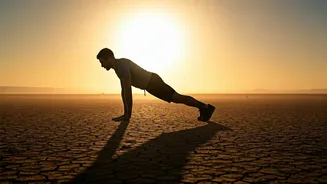
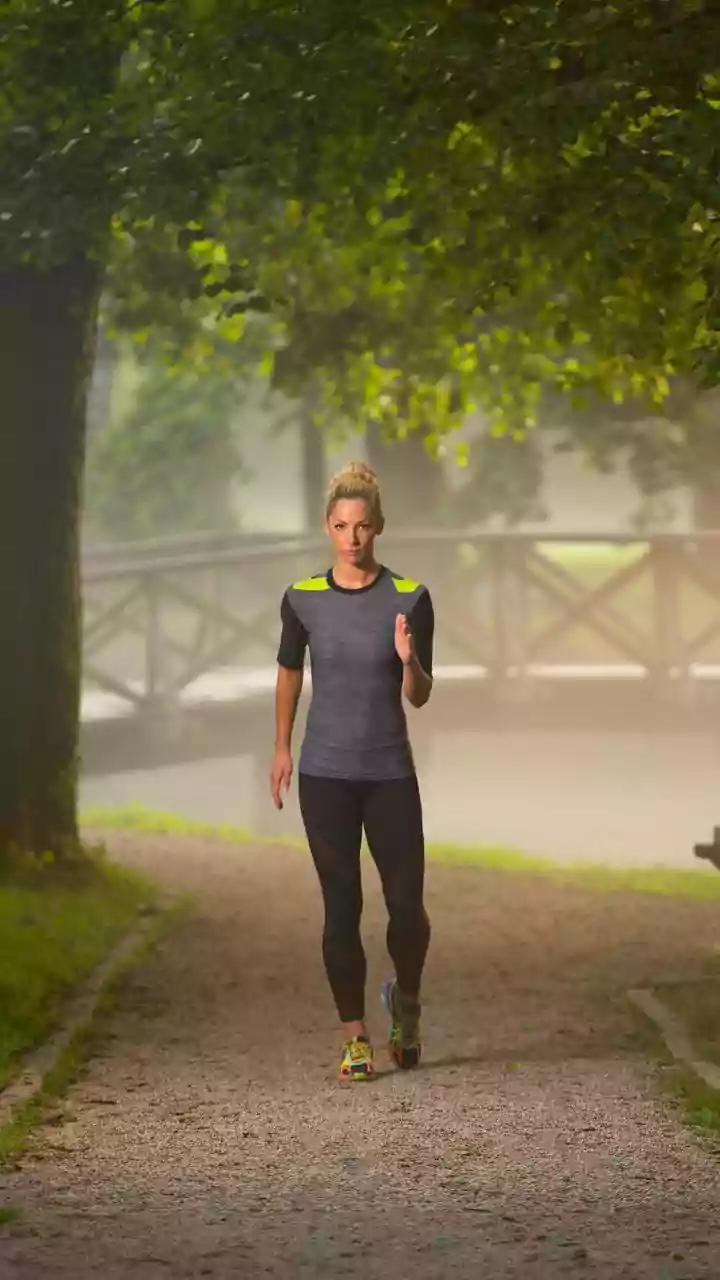
10 a.m. and 4 p.m. More importantly, this is when ambient temperatures and the 'heat index'—a measure of how hot it really feels when humidity is combined with the air temperature—peak. Shifting your schedule is the first and most effective line of defense. Early mornings, before the sun has had a chance to bake the pavement and heat the air, offer the coolest, safest conditions. If you’re not a morning person, the evening is your next best bet. Wait until the sun is low in the sky, an hour or two before sunset, when temperatures begin their slow descent. It might still be warm, but you’ve avoided the day’s most brutal heat.
Listen to Your Body, Not Just the Clock
On a hot day, your body is already working overtime just to stay cool through a process called thermoregulation. When you add strenuous exercise, you're asking it to do double duty. That’s why it’s critical to listen to its signals. Forget about hitting a new personal record. Summer is the season for maintenance, not peak performance. Shorten your workouts, reduce your intensity, and take more frequent breaks. Pay close attention to the early warning signs of heat-related illness. Feeling dizzy, unusually fatigued, nauseous, or developing a headache are all signs that you need to stop, find shade, and cool down immediately. Heat exhaustion can escalate to heatstroke—a life-threatening emergency—if ignored. Symptoms of heatstroke include a high body temperature (103°F or higher), confusion, slurred speech, and a loss of consciousness. Being in tune with your body is more important than finishing the last mile.
Hydration Is Non-Negotiable
We all know we should drink water, but exercising in the heat requires a more strategic approach to hydration. Don’t wait until you’re thirsty—by then, you’re already on your way to being dehydrated. Start hydrating well before your workout, drinking water throughout the day. For exercise sessions under an hour, water is usually sufficient. But if you're sweating heavily or working out for longer than 60 minutes, you’re losing not just water but also essential electrolytes like sodium and potassium. An electrolyte drink or tablet can help replenish these vital minerals and prevent cramping and other complications. It’s also crucial to rehydrate after your workout to replace the fluids you’ve lost. A good rule of thumb is to monitor the color of your urine; pale yellow means you're well-hydrated, while darker yellow or amber is a clear sign you need to drink more fluids.
Move Your Workout Indoors
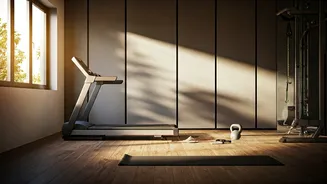
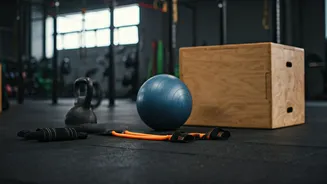
Sometimes, it's simply too hot or humid to exercise outside safely, no matter the time of day. This doesn’t have to mean a day on the couch. Use oppressive heat waves as an opportunity to change your scenery and diversify your routine. Head to an air-conditioned gym for a weightlifting session or a spin class. Explore the world of home workouts with the countless fitness apps and online videos available. Swimming is a quintessential summer activity that provides a fantastic full-body workout while keeping you cool. Even a brisk walk through a large, climate-controlled shopping mall can be a great way to get your steps in. Viewing indoor options not as a compromise but as a chance for valuable cross-training can keep your fitness journey interesting and prevent burnout from the heat.
Dress for Success (and Survival)
Your clothing choices play a surprisingly large role in how your body manages heat. Dark colors absorb sunlight and heat, while light colors reflect it. Tight clothing traps heat and prevents sweat from evaporating effectively, which is your body’s natural cooling mechanism. The ideal summer workout gear is light-colored, lightweight, and loose-fitting. Look for technical fabrics designed to be 'moisture-wicking,' which pull sweat away from your skin to the fabric's surface, where it can evaporate more easily. Don’t forget sun protection, either. A wide-brimmed hat or visor can protect your face and scalp from direct sun, and applying a broad-spectrum, sweat-resistant sunscreen with an SPF of 30 or higher is essential for any exposed skin, even on cloudy days.