






An Aroma That Changes Everything
If you’ve only ever used the brittle, brownish-green curry leaves from a plastic bag or spice jar, you’re missing the entire point. It’s like comparing a sun-ripened tomato from the garden to a pale, hard one from the supermarket in January. The experience
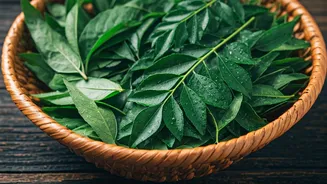
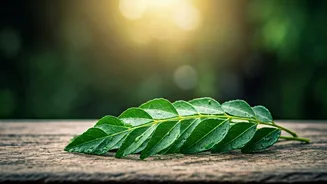
isn’t just different; it’s a different ingredient entirely. A fresh curry leaf, when crushed between your fingers, releases a complex, intoxicating aroma—a mix of citrus, anise, and a unique savory note that’s impossible to describe but instantly recognizable once you’ve smelled it. This explosion of scent comes from volatile oils that begin to degrade the moment the leaf is picked. When you sizzle fresh leaves in hot oil or ghee for a *tadka* (a tempering of spices), they don’t just add flavor; they perfume your entire kitchen, signaling that something truly special is about to happen. This is the magic that dried leaves, having lost most of those precious oils, simply cannot replicate. They offer a faint whisper of the original, while a fresh leaf sings.
What Exactly Are Curry Leaves?
First, let’s clear up a common point of confusion: curry leaves have nothing to do with curry powder. Curry powder is a blend of ground spices, a British invention to approximate the flavors of Indian cuisine. Curry leaves, on the other hand, are the foliage of the *Murraya koenigii* tree, a plant native to India and Sri Lanka. Known as *kadi patta* in Hindi and *karuveppilai* in Tamil, these glossy green leaves are a foundational ingredient in South Indian, Sri Lankan, and Southeast Asian cooking. They’re not used to provide the primary flavor of a dish in the way a spice like cumin does. Instead, they impart a subtle, savory background note—an 'umami' of the herb world—that deepens and connects the other flavors in everything from lentil dals and vegetable stir-fries to coconut-based curries and savory snacks. Removing them from a traditional recipe leaves a noticeable void, a lack of aromatic complexity that you might not be able to name but can definitely feel.
Your Own Balcony Herb Empire
The good news is that you don’t need a sprawling garden to access this culinary gold. The curry leaf tree is surprisingly well-suited to container life, making it the perfect candidate for a sunny balcony, patio, or even a bright windowsill. In the U.S., you can often buy a small starter plant from an Indian grocery store, a local nursery that stocks specialty herbs, or an online seller. Plant it in a well-draining pot with standard potting mix and give it as much direct sunlight as you can—at least six hours a day is ideal. They are tropical plants, so they thrive in warmth and humidity. If you live in a colder climate (USDA Zone 8 or below), you’ll need to bring your plant indoors for the winter. They are relatively slow-growing and low-maintenance. Water it when the top inch of soil feels dry, and be patient. Before you know it, you’ll have your own sustainable source of one of the world’s great fresh flavors, just a few steps from your stove.
Putting Your Harvest to Work
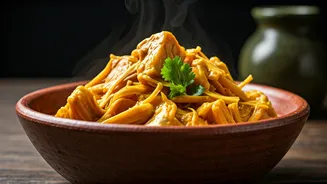
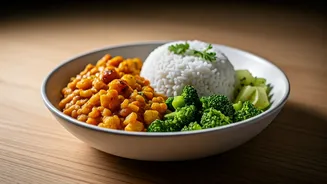
Once you have a steady supply, you’ll find excuses to use them everywhere. The classic application is to fry them in oil at the beginning of a recipe until crisp, releasing their flavor into the cooking fat. This is the first step for countless South Indian dishes. But don’t stop there. Toss a whole sprig into your pot of basmati rice as it cooks for a subtle fragrance. Mince fresh leaves and mix them into yogurt for a savory raita or blend them into a vibrant chutney. Fry them until brittle and crumble them over everything from roasted potatoes to scrambled eggs for a crunchy, savory topping. Having the plant right there encourages experimentation. The cost of entry is a single plant, but the payoff is a lifetime of more aromatic, authentic, and deeply satisfying meals.