







From Pet Owner to Pet Parent
The language tells the story. In India, the term “pet owner” is steadily being replaced by “pet parent,” and this is more than just a semantic shift. It signifies a deep-seated change in how pets are perceived. Traditionally, dogs might have been kept
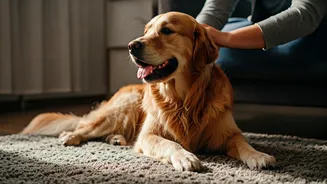
for security and cats tolerated for rodent control, often living outdoors and on the periphery of family life. Today, for a rapidly growing segment of the urban middle and upper class, pets are integral family members. They sleep indoors, celebrate birthdays with custom-made cakes, have their own social media accounts, and are central to their humans' emotional lives. This phenomenon, known as pet humanization, mirrors a trend that has long been established in the West. It’s driven by several factors: rising disposable incomes, smaller nuclear families, and a generation of millennials and Gen Z who are often delaying marriage and children, instead pouring their nurturing instincts and financial resources into their animal companions. This emotional investment creates a powerful consumer drive for products and services that prioritize the pet’s well-being and happiness above all else.
The Urban Squeeze Effect
As India’s megacities like Mumbai, Delhi, and Bengaluru continue to expand, so does the disconnect from nature. The sprawling family homes with yards are, for many, a relic of the past. The modern urban reality is a high-rise apartment, offering convenience and community but little in the way of open, natural space. For a dog, and by extension its parent, this environment can be stressful. Crowded streets, relentless traffic noise, and a lack of clean, accessible parks make a simple walk a logistical challenge fraught with anxiety.
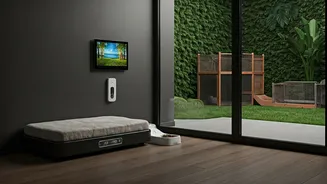
This “urban squeeze” is a primary driver behind the demand for specific types of spaces. Pet parents are no longer content with a small, dusty patch of grass. They are actively seeking out environments designed with their pets' needs in mind. This has created a new checklist for house-hunters and a new selling point for real estate developers: Is the neighborhood quiet? Is there a dedicated, enclosed dog run? Are there walking trails free from the chaos of the city? The desire for a “calm, green, safe” space is a direct reaction to the deficits of modern city living.
A New Pet Wellness Economy
Where there is demand, a market emerges. India's pet care industry is booming, and it has moved far beyond basic food and veterinary services. Entrepreneurs are catering directly to the desires of discerning pet parents. This includes a surge in pet-friendly cafes, luxury grooming salons offering “pawdicures” and aromatherapy, and state-of-the-art daycare centers with live-streaming cameras so parents can check in on their “fur babies” during the workday.
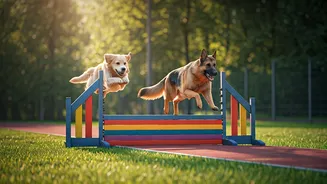
More pointedly, services are addressing the specific needs for calm and safety. Specialized dog parks with agility equipment and separate zones for large and small breeds are becoming premium, membership-based amenities. Pet hydrotherapy centers offer calm, controlled environments for exercise and rehabilitation. Some high-end residential complexes are now being designed with pet-centric features from the ground up, including designated pet elevators, rooftop dog runs, and on-site grooming stations. These aren't just luxuries; they are solutions to the real-world problems faced by urban pet parents.
Searching for Safety and Peace of Mind
The emphasis on “safe” spaces is particularly poignant. In many Indian cities, public areas can pose risks, from altercations with stray animals to the simple danger of traffic. There is also the social element; not everyone in a diverse urban community is comfortable around animals, which can lead to friction in public parks and residential common areas. A private, curated, and secure environment eliminates these variables, providing peace of mind.
This search for safety extends to the pet’s mental well-being. The demand for “calm” reflects a growing awareness of animal anxiety. The same urban stressors that affect humans—noise, crowds, confinement—also affect their pets. As a result, Indian pet parents are investing in calming treats, anxiety vests, and behavioral training. They are seeking out groomers and vets who practice low-stress handling techniques. The ultimate goal is to create a peaceful bubble for their pet in the midst of a chaotic world, and they are willing to pay a premium to achieve it.