


The Gut-Mood Connection
Before we dive into the delicious stuff, let's get one thing straight: why are we talking about gut health on a 'rainy' day? It's all about the gut-brain axis, a communication highway between your digestive system and your brain. Your gut is home to trillions
of microorganisms, and emerging science suggests that a happy, balanced gut microbiome can positively influence your mood and stress levels. While no single food is a magic bullet for happiness, incorporating whole foods rich in probiotics—live beneficial bacteria—is a fantastic way to support this internal ecosystem. It’s less about a quick fix and more about building a resilient foundation for overall well-being, one bite at a time.
Yogurt and Kefir: The Creamy Classics
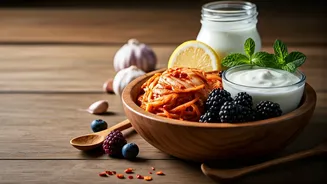
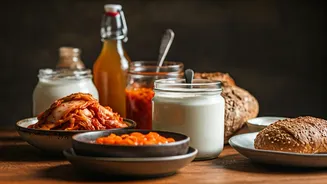
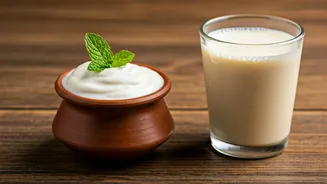
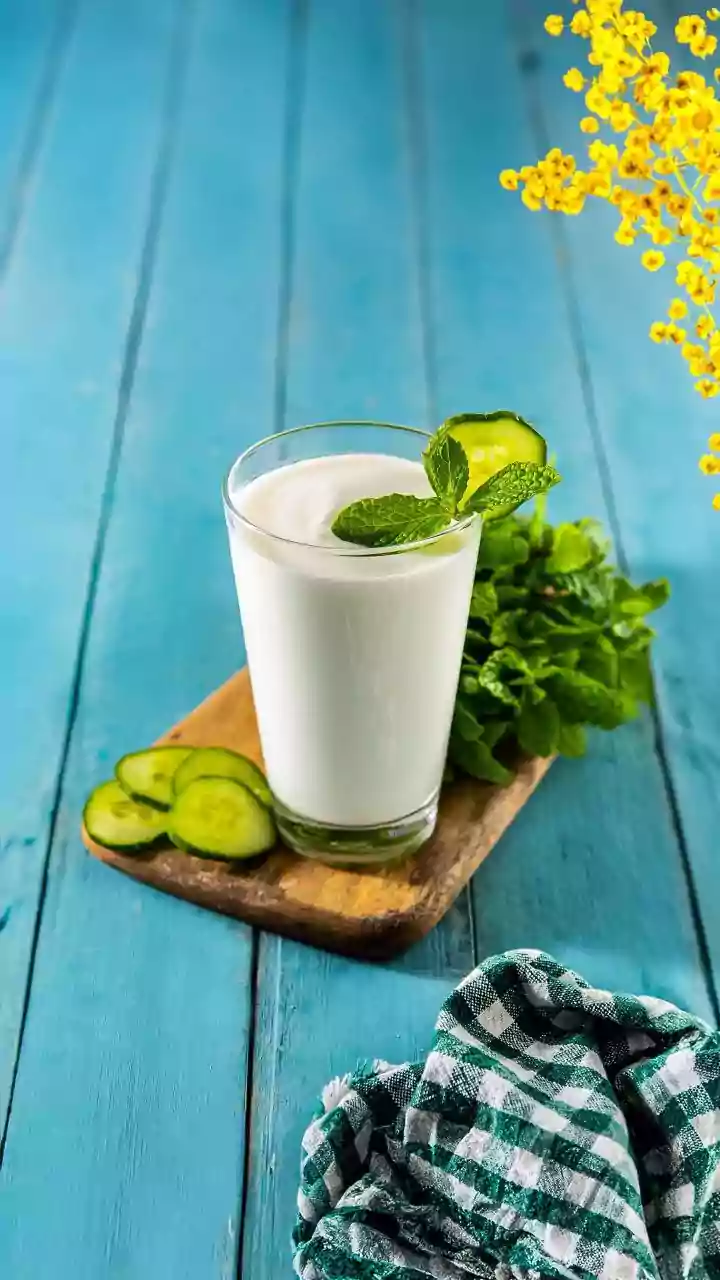
Yogurt is the gateway probiotic for most Americans, but not all tubs are created equal. Look for labels that say “live and active cultures” and opt for plain, unsweetened varieties to avoid the sugar that less-friendly gut bacteria love. Use it as a base for smoothies, a creamy topping for chili, or a simple breakfast with berries and nuts. Its cousin, kefir, is a fermented milk drink with a thinner consistency and an even wider variety of probiotic strains. It’s tangier than yogurt and perfect for drinking straight, pouring over granola, or using as a buttermilk substitute in recipes for pancakes and scones.
Kimchi: The Spicy Powerhouse
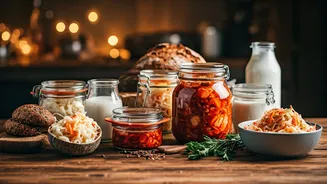
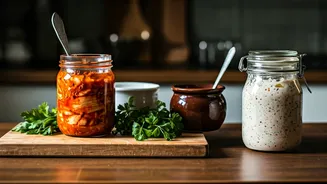
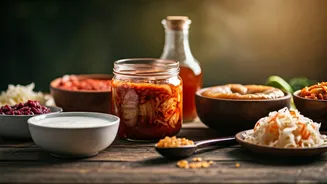
This Korean staple is so much more than a condiment. Made from fermented vegetables—most commonly napa cabbage and Korean radish—and seasoned with gochugaru (chili powder), scallions, and garlic, kimchi is a flavor bomb packed with probiotics. The fermentation process not only preserves the vegetables but creates beneficial bacteria, including strains of Lactobacillus. It’s also rich in vitamins A and C. Don’t just save it for a side dish. Chop it up and add it to fried rice, scrambled eggs, savory pancakes, or even grilled cheese for a spicy, funky, gut-friendly kick.
Sauerkraut: The Humble Hero
Sauerkraut gets a bad rap as just a topping for hot dogs, but authentic, unpasteurized sauerkraut is a probiotic champion. Made from just shredded cabbage and salt, it relies on the natural bacteria on the cabbage leaves to ferment. This process creates a tangy, crunchy condiment teeming with gut-friendly microbes. The key is to buy the refrigerated kind, not the shelf-stable jars in the canned goods aisle. Pasteurization, which uses heat to extend shelf life, kills off all the good bacteria you’re looking for. Pile it on sandwiches, mix it into salads for a briny crunch, or serve it alongside roasted meats.
Miso: The Savory Umami Bomb
If you’ve only had miso in soup at a Japanese restaurant, you’re missing out. This fermented soybean paste is a cornerstone of Japanese cuisine and an incredible source of umami and probiotics. It comes in various colors, from light and sweet white miso to dark and robust red miso. Because its beneficial bacteria are sensitive to high heat, it’s best to add it to dishes at the end of cooking. Whisk it into warm (not boiling) water for a simple soup, or use it to make amazing salad dressings, glazes for fish and vegetables, or a savory spread for toast.
Kombucha: The Bubbly Brew
Kombucha has exploded in popularity, and for good reason. This fizzy, fermented tea is a refreshing alternative to soda, offering a dose of probiotics from its SCOBY (symbiotic culture of bacteria and yeast). While it’s a great choice, be a savvy shopper. Many commercial brands are loaded with added sugar, which can counteract the benefits. Look for brands with less than 5 grams of sugar per serving. It’s the perfect bubbly pick-me-up on a dreary afternoon, far better for you than an energy drink and a treat for your microbiome.