




More Than Just a Hobby
We tend to think of urban green space in grand terms: sprawling central parks, manicured public squares, and leafy boulevards. These are the lungs of a city, for sure. But a growing body of research suggests that the thousands of tiny, decentralized green spaces—rooftop
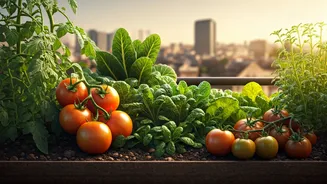
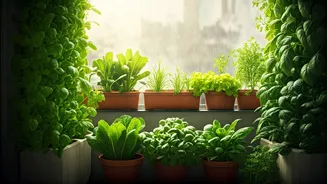
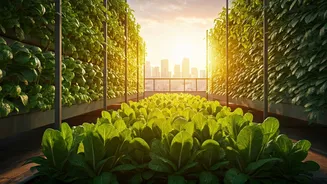
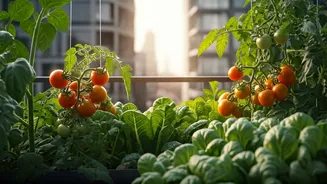
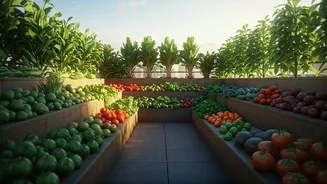
gardens, balcony planters, and terrace veggie patches—add up to something much greater than the sum of their parts. When viewed from above, they form a 'green mosaic' that collectively contributes to the city's overall ecological resilience. Your hobby isn't just a hobby; it's a form of grassroots urban planning. Every pot of parsley and every climbing bean vine is a micro-investment in a greener, healthier metropolis.
The Science of the 'Green Patch' Effect
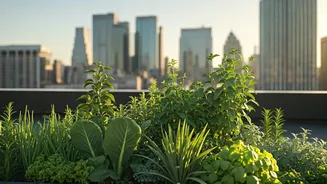
So, how does your humble garden make a measurable difference? The headline's claim of a "substantial" enhancement isn't about one garden saving the city, but about the aggregate power of many. First, there's the fight against the 'urban heat island' effect, where concrete and asphalt absorb and radiate sun, making cities several degrees hotter than surrounding rural areas. Plants, through a process called evapotranspiration, act like tiny, natural air conditioners. A single, healthy tree can have the cooling effect of ten room-sized AC units running 20 hours a day. While your tomato plant isn't a tree, a rooftop or terrace covered in vegetation can be significantly cooler than a bare one, reducing energy costs and mitigating localized heat. Multiply that by thousands of homes, and the city-wide temperature can be demonstrably affected.
A Network for Water and Wildlife
Beyond cooling, your garden is also a miniature biodiversity hub and a stormwater management tool. In a concrete jungle, heavy rain overwhelms sewer systems, leading to polluted runoff entering waterways. The soil in your pots acts like a sponge, absorbing rainwater and releasing it slowly. Again, one pot doesn't do much, but a city full of them reduces the burden on municipal infrastructure. Furthermore, even a small collection of flowering plants provides a vital pit stop for urban pollinators like bees and butterflies. These insects are critical for the health of the larger parks and greenways, and your balcony can serve as a crucial stepping stone, connecting fragmented habitats and allowing wildlife to navigate the urban landscape.
Your Role in a Greener Future
This reframes the act of gardening from a simple pastime to a form of civic participation. You aren't just growing your own food; you're actively improving air quality, supporting wildlife, and making your neighborhood more comfortable and beautiful. Cities like Chicago, with its extensive green roof program, and Paris, which encourages citizens to plant sidewalk gardens, have recognized this power. They understand that a resilient city isn't built solely through massive, top-down infrastructure projects. It's also built by thousands of residents deciding to add a little green to their personal space. Your decision to plant a few herbs is a quiet but powerful statement about the kind of city you want to live in—one that's more connected to nature, more sustainable, and ultimately, more human.