



Why Food Is a Safety Issue
Working in direct sun with temperatures soaring into the 90s or 100s is an extreme physical challenge. The body sweats profusely to cool down, losing not just water but also critical minerals called electrolytes. According to OSHA, dozens of workers die
and thousands become ill each year from heat-related causes. Many of these incidents are preventable. Dehydration can lead to dizziness, confusion, and fainting, which is especially dangerous when operating heavy machinery or working at heights. Poor nutrition can cause energy crashes and reduce cognitive function, impairing judgment and reaction time. Thinking of food and hydration as personal protective equipment (PPE) isn't an exaggeration; it's a fundamental shift in how we approach workplace safety in the heat.
Hydration Beyond the Water Bottle
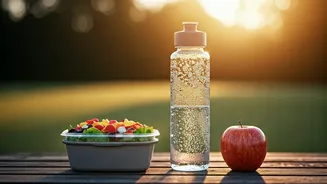
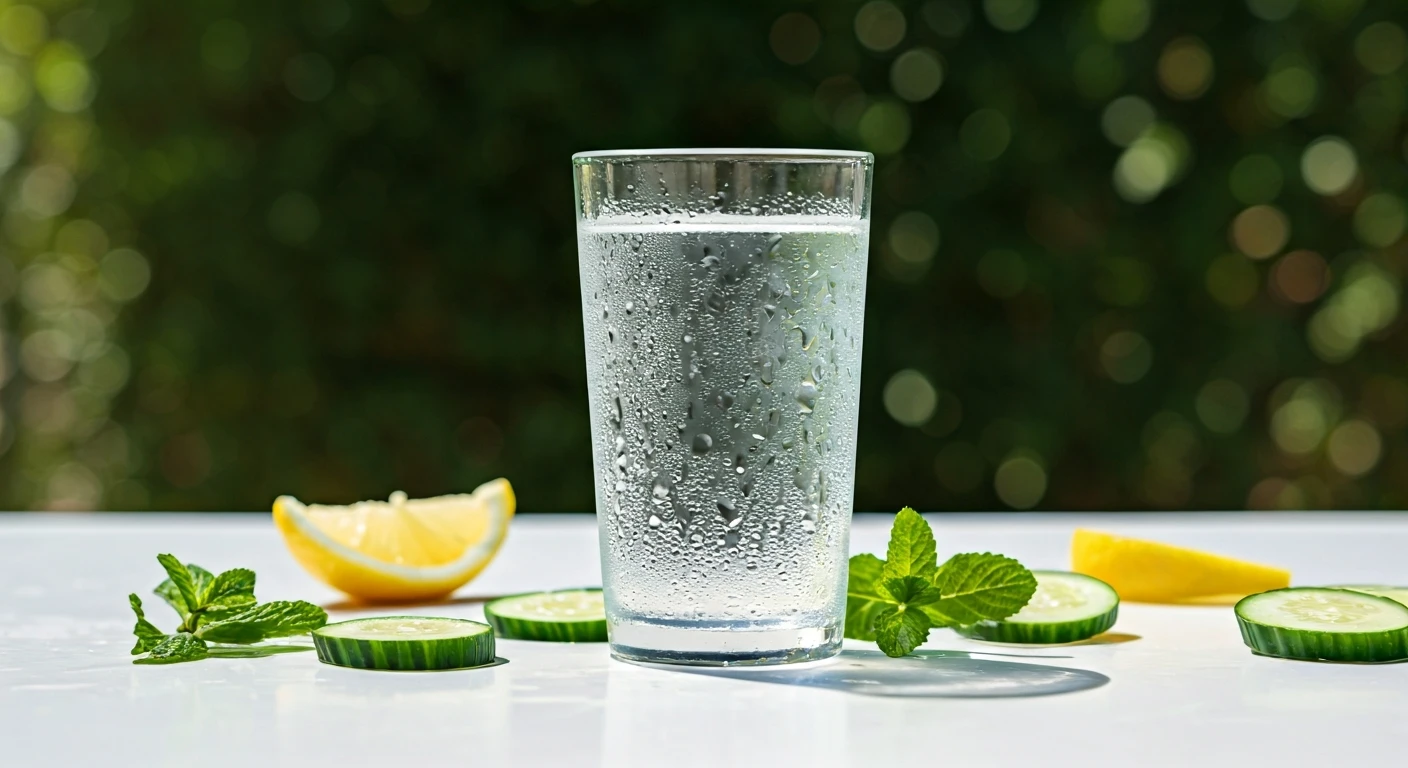
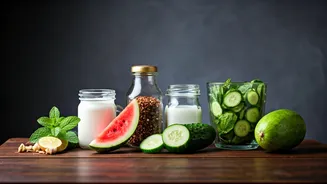
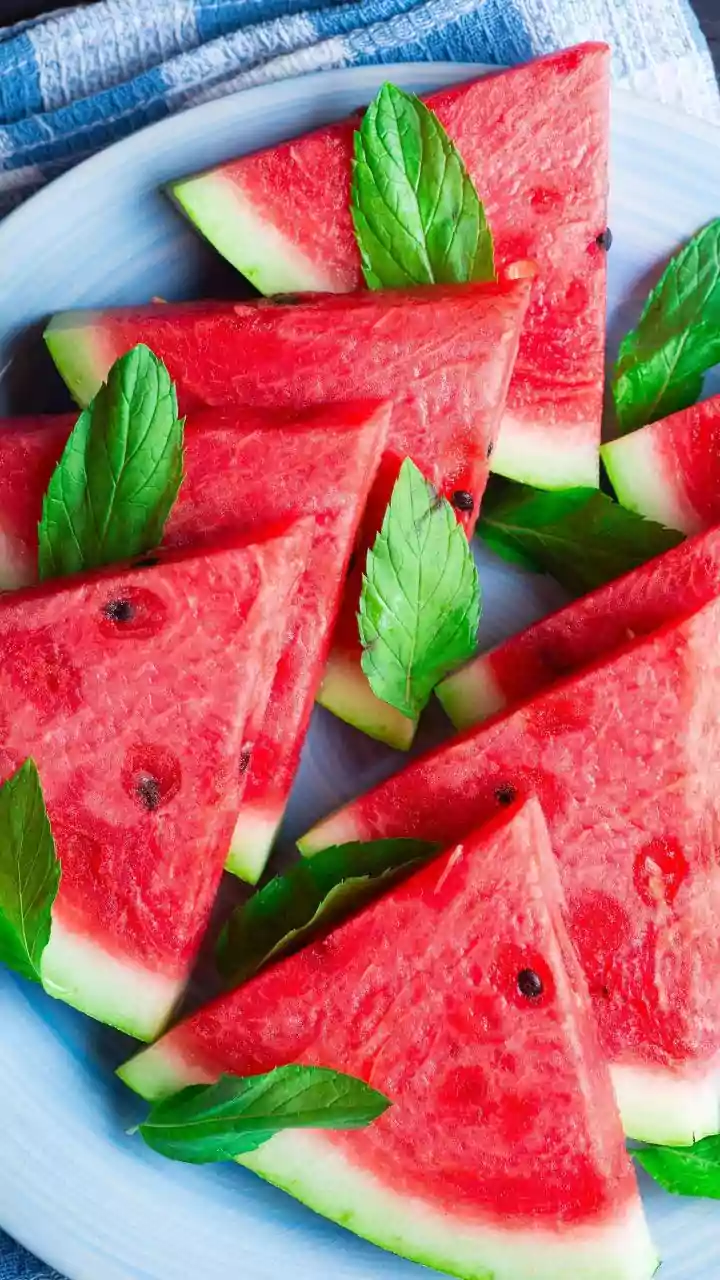
Chugging water is essential, but it’s only part of the story. On brutally hot days, you can sweat out more fluid than you can comfortably drink. The solution is to eat your water. Water-rich foods contribute to your overall hydration and are often packed with vitamins. Top choices include watermelon (about 92% water), cucumbers (95%), celery (95%), and strawberries (91%). These foods provide hydration in a way that the body absorbs more slowly and effectively than gulped water. Packing a container of cut melon or cucumber slices is an easy, refreshing way to supplement fluid intake throughout the day. They also provide a cooling sensation that offers a welcome psychological break from the oppressive heat.
The Critical Role of Electrolytes
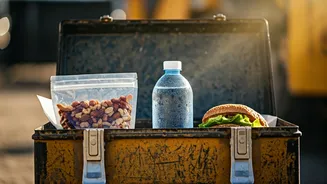
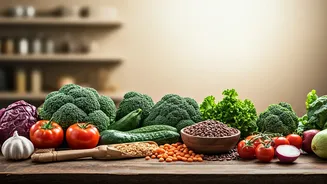
When you sweat, you lose more than just water. You also lose electrolytes like sodium, potassium, and magnesium, which are vital for muscle function and nerve signaling. An imbalance can lead to severe muscle cramps, weakness, and in serious cases, cardiac issues. Sports drinks can help, but they are often loaded with sugar. A better approach is to get electrolytes from whole foods. Bananas and avocados are potassium powerhouses. Salted nuts, seeds, and pretzels are a great way to replenish sodium. Other excellent sources include leafy greens like spinach, beans, and lentils. A simple trail mix with nuts, seeds, and a few dried fruits can be a perfect, portable electrolyte-restoring snack.
Fueling with Light, Sustained Energy
A heavy, greasy lunch is the enemy of the outdoor worker. Foods high in fat and simple sugars (like a fast-food burger and fries) require significant energy to digest, diverting blood flow to the stomach and away from the muscles and skin, where it's needed for work and cooling. This can lead to the infamous post-lunch slump, making you feel sluggish and even hotter. Instead, focus on light meals that provide sustained energy. Think like an endurance athlete. Good options include a grilled chicken salad, a quinoa bowl with vegetables and beans, or a whole-wheat wrap with turkey and avocado. These meals combine lean protein (for muscle repair) with complex carbohydrates (for slow-release energy) and healthy fats, providing steady fuel without the crash.
Foods and Drinks to Strictly Limit
What you don't eat is just as important as what you do. Certain popular choices can actively work against you in the heat. Sugary sodas and energy drinks should be avoided at all costs. They can cause a rapid spike in blood sugar followed by a hard crash, and some studies suggest they can actually worsen dehydration. While a morning coffee is a ritual for many, excessive caffeine is a diuretic, meaning it makes you urinate more and can contribute to fluid loss. Finally, alcohol is the worst choice for anyone working in the heat. It severely impairs the body's ability to regulate temperature and is a major dehydrator. Even consuming alcohol the night before a hot workday can leave you more susceptible to heat stress.