



Beyond the Veggie Burger
In the United States, the alternative protein story has been dominated by the quest for the perfect plant-based burger. Companies like Impossible Foods and Beyond Meat focused on replicating the American cookout experience. But in India, the challenge—and
the opportunity—is entirely different. This isn't about replacing a beef patty; it's about integrating new ingredients into a culinary landscape that is already deeply rooted in plant-based eating but also has a growing appetite for the taste and texture of meat. India has one of the largest vegetarian populations in the world. For centuries, lentils, chickpeas, and paneer (a firm cheese) have been protein staples. Yet, as incomes rise, so does meat consumption. This creates a dilemma: how to satisfy a modern palate without the heavy environmental and ethical costs of industrial animal agriculture? Enter a new wave of Indian startups that aren't just copying Western trends but are creating products designed specifically for the Indian thali (plate).
Reimagining Traditional Dishes
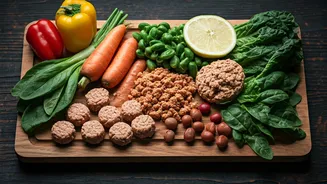
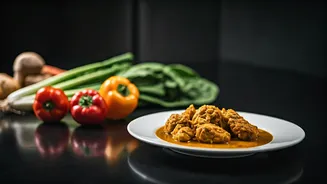
The real innovation isn't in a simple patty. It's in creating plant-based versions of beloved, complex dishes. Companies like GoodDot, Blue Tribe Foods, and Shaka Harry are developing products like mock mutton keema (spiced ground meat), plant-based seekh kebabs, and chunks of 'chicken' perfect for a rich biryani or butter masala. They're not using mysterious chemicals, but rather a blend of familiar and new ingredients, including soy, pea protein, jackfruit, and various grains, to achieve the right bite and texture.
For example, jackfruit, a tropical fruit with a naturally stringy, meat-like texture when unripe, has been used in South Asian cooking for generations. Now, it's being supercharged as a base for pulled pork-style dishes. Similarly, startups are fine-tuning pea and soy protein extrusions to mimic the specific mouthfeel of mutton, which is far more popular than beef in India. The goal is to create something that a grandmother in Delhi or a millennial in Mumbai could seamlessly swap into a family recipe without anyone noticing the difference.
The Drivers: Climate, Health, and Capital
This movement isn't just about culinary novelty. It's fueled by powerful economic and social forces. First, there's the environmental pressure. India, with its 1.4 billion people, faces immense challenges related to food security, water scarcity, and climate change. Plant-based proteins require significantly less land and water and produce fewer greenhouse gas emissions than conventional livestock, making them a key strategy for a more sustainable food system.
Second, health consciousness is on the rise among the urban middle class. Concerns about cholesterol, antibiotics in poultry, and zoonotic diseases have pushed consumers to seek out cleaner protein sources. Finally, there's the money. Venture capitalists, both domestic and international, see the massive potential. The Indian alternative protein sector has attracted significant investment, signaling confidence that this is not a passing fad but the future of food. This capital is funding the research and development needed to drive down costs and improve quality.
The Challenges Ahead
Despite the momentum, the path to mass adoption isn't without obstacles. The biggest hurdle is price. For now, most plant-based meat alternatives are more expensive than their conventional counterparts, putting them out of reach for a large portion of the population. Widespread adoption will depend on achieving price parity with chicken and mutton.
Then there's the sensory challenge. Indian cuisine is known for its intricate flavors and textures. Any alternative must not only taste good but also behave correctly during cooking—it needs to brown properly, absorb spices, and hold its shape in a slow-cooked curry. Winning over a consumer base with such a sophisticated and deeply ingrained food culture requires near-perfect execution. It’s a high bar, but one that innovators are determined to clear, one delicious, plant-based dish at a time.