


1. Mulch Like a Pro
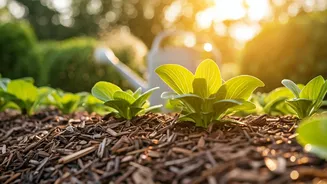
If you do only one preventative task, make it this. A two-to-three-inch layer of organic mulch (shredded bark, straw, or compost) is a garden’s best friend in June. First, it’s the ultimate weed-prevention tool, smothering existing weed seeds and preventing
new ones from germinating. This saves you hours of back-breaking pulling later in the summer. Second, it acts as a sponge, helping the soil retain precious moisture during hot, dry spells, which means you’ll water less. Finally, it regulates soil temperature, keeping plant roots cool when the afternoon sun is blazing. Applying mulch now is a direct investment in your garden's resilience and a massive time-saver for the rest of the season.
2. Water Smarter, Not Harder
June’s rising temperatures tempt many gardeners to spray their plants down every day. This is one of the biggest mistakes you can make. Shallow, frequent watering encourages shallow root systems that are vulnerable to heat and drought. Worse, wetting plant foliage, especially in the evening, creates the perfect humid environment for fungal diseases like powdery mildew and black spot. The preventative mantra is to water deeply and infrequently. Use a soaker hose or drip irrigation to deliver water directly to the soil at the base of the plant. This encourages deep, strong roots and keeps the leaves dry. Check the soil a few inches down; if it’s dry, it’s time to water. A thorough soaking once or twice a week is far more effective than a light sprinkle every day.
3. Become a Daily Pest Scout
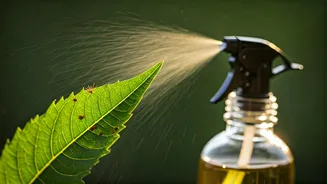
The best way to handle a pest infestation is to stop it from becoming one. Spend five minutes each morning walking through your garden with your coffee. This isn’t a chore; it’s reconnaissance. Look under leaves for clusters of aphid eggs, check the base of squash plants for the tell-tale signs of squash vine borer frass (looks like wet sawdust), and scan for the first metallic glint of a Japanese beetle. A single hornworm can be picked off a tomato plant in seconds. A hundred requires a full-scale intervention. By catching the first arrivals, you can often manually remove them or use targeted organic sprays (like insecticidal soap) on a small area before the population explodes. This is infinitely easier than battling an established colony that has already done significant damage.
4. Promote Good Airflow
Fungal diseases thrive in still, humid air. Your job is to create a breezy, open environment where leaves can dry quickly after a rain. This starts with proper spacing when you first plant, but in June, it’s all about strategic pruning. For tomatoes, pinch off the “suckers” that grow in the V-shape between the main stem and a branch. This directs the plant’s energy into fruit production and opens up the interior to air and sunlight. For dense plants like zucchini or cucumbers, don’t be afraid to remove a few of the largest, oldest leaves near the base of the plant that are resting on the soil. This simple act of thinning dramatically reduces the risk of powdery mildew taking hold.
5. Weed Before They Seed
Weeding isn’t just about aesthetics; it’s about competition and future prevention. Weeds rob your vegetables and flowers of water, nutrients, and sunlight, stressing them and making them more susceptible to pests and disease. The most important rule of June weeding is to get them while they’re small and, crucially, before they go to seed. Every single weed that you let flower and drop seeds is creating hundreds or even thousands of future weeds for you to pull. Think of it this way: pulling one small weed in early June prevents you from having to pull dozens in July and August. A long-handled hoe, like a stirrup or collinear hoe, can make quick work of small, emerging weeds with minimal effort.
6. Feed for Resilience
Just like people, strong, well-nourished plants are better equipped to fight off sickness and stress. While rich compost at the beginning of the season provides a great foundation, heavy-feeding plants like tomatoes, peppers, and corn start getting hungry in June as they ramp up production. Weak, nutrient-deficient plants send out stress signals that can actually attract pests. Instead of waiting for yellowing leaves, provide a preventative boost. Side-dress your plants with a layer of compost or apply a balanced, slow-release organic fertilizer. This provides a steady supply of nutrients, building plant strength from the cellular level and making them less of a target for the challenges that summer will inevitably bring.