



An Alpine Meadow Unlike Any Other
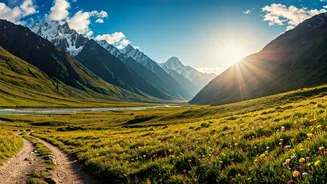
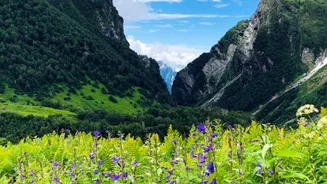
Tucked away in the state of Uttarakhand in northern India, the Valley of Flowers National Park is exactly what it sounds like: a sprawling, 3-mile-long glacial valley carpeted with an astonishing variety of alpine flowers. For most of the year, it lies
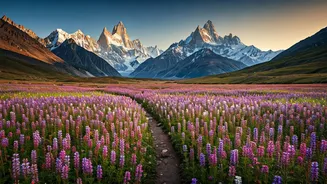
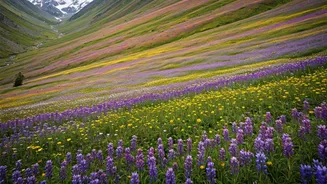
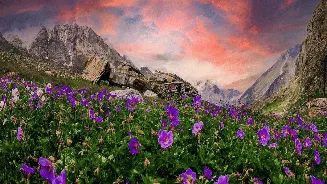
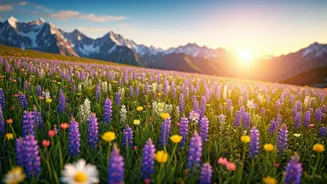
dormant under a thick blanket of snow. But when the summer monsoon arrives, it triggers a miraculous transformation. The valley floor erupts with more than 500 species of wildflowers, creating a vibrant tapestry of blue, purple, pink, yellow, and white against a backdrop of snow-capped peaks. This breathtaking spectacle is so unique that UNESCO designated it a World Heritage Site, describing it as a place of “outstandingly beautiful high-altitude meadows.” It’s a landscape so otherworldly that local legends have long associated it with fairies and celestial beings.
Nature's Most Exclusive Event
The phrase “fear of missing out” feels tailor-made for this destination. The window to witness this floral nirvana is brutally short. The park typically opens to the public in early June and closes by early October, but the peak bloom—the moment every visitor dreams of—lasts for an even shorter period, usually from mid-July to mid-August. This is when the monsoon rains are at their height, coaxing life from the soil at an astonishing rate. The intensity and variety of blooms change almost weekly, meaning the valley you see in July is different from the one you’d see in August. This ephemeral quality is the very source of its allure. It’s not a permanent exhibit; it’s a fleeting, live performance put on by nature, and if you miss it, you have to wait a whole year for the next show.
The Journey Is Part of the Magic
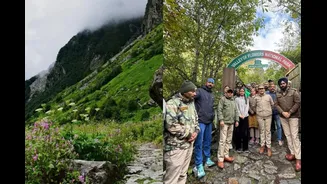
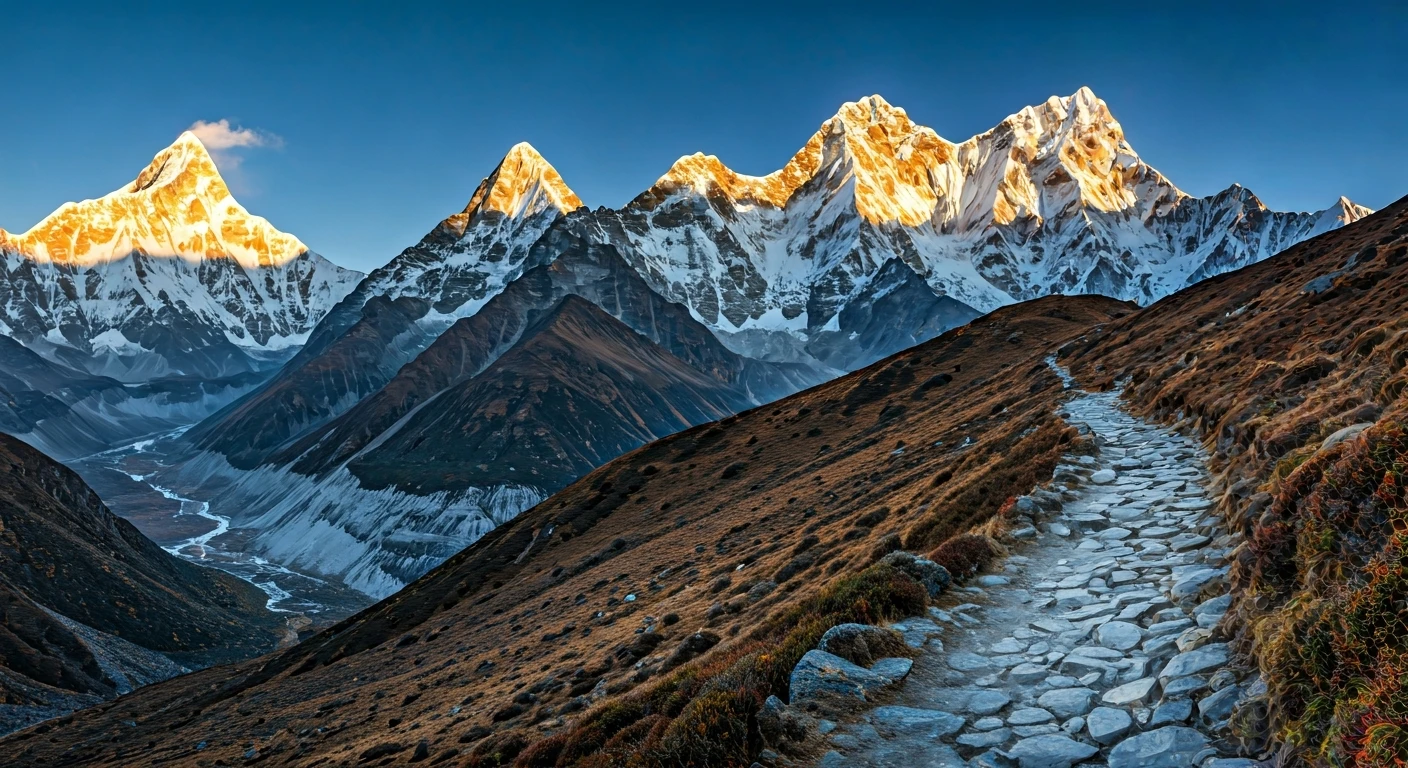
You can’t just drive up to the Valley of Flowers. Accessing this paradise requires commitment, making the reward all the sweeter. The journey is a trek, a pilgrimage for nature lovers. The adventure typically begins in the small town of Govindghat, from where travelers embark on a moderately challenging multi-day hike. The path winds along the roaring Pushpawati River, through dense forests and past tiny mountain hamlets. The first leg of the trek leads to Ghangaria, a basic but bustling base camp village. From here, it’s another steep but stunningly beautiful hike into the valley itself. There are no hotels or lodges within the protected area, so visitors must trek in and out on the same day. This effort ensures the valley is never truly crowded, preserving its serene and untouched atmosphere. The physical exertion filters out the casual tourist, leaving only those truly dedicated to witnessing its splendor.
A Symphony of Flora and Fauna
While the sheer scale of the bloom is the main attraction, the diversity is what truly captivates botanists and amateur photographers alike. The valley is famous for specific, sought-after species, including the ethereal Himalayan blue poppy, the striking cobra lily, and carpets of pink Himalayan balsam. Each flower seems to have its own zone, creating distinct color fields across the landscape. But it’s not just about the plants. The park is also part of the Nanda Devi Biosphere Reserve and home to rare and endangered animals. While you’re unlikely to spot the elusive snow leopard or brown bear, you have a good chance of seeing the vibrant Himalayan monal (a type of pheasant), musk deer, and blue sheep, known as bharal, grazing on the high-altitude slopes. The entire ecosystem is a delicate, interconnected web of life, thriving in one of the world's most dramatic settings.