




1. The Grilled Cheese Goes Gourmet
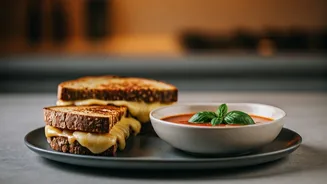
Remember the simple perfection of melted American cheese between two slices of white bread, griddled in butter? It’s the undisputed champion of sick days and lazy lunches. Today, that humble sandwich is the foundation for culinary creativity. Food trucks
and high-end bistros are swapping out the basics for artisanal sourdough, aged Gruyère, and sharp cheddar. The real evolution, however, is in the additions. Think caramelized onions, fig jam, prosciutto, or even a smear of spicy kimchi. It’s no longer just a sandwich; it’s a balanced meal that respects its simple origins while delivering complex, grown-up flavors. This isn't about replacing the classic but celebrating its potential, proving that even the simplest concepts can be elevated to new heights.
2. Mac & Cheese Grows Up
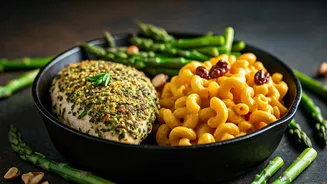
The neon-orange powder from a box was a weeknight staple for generations. But macaroni and cheese has officially graduated from the kids' table. The modern revival is all about the cheese sauce, often a rich béchamel base loaded with a blend of cheeses like Fontina, Gouda, and white cheddar for maximum creaminess and flavor pull. Chefs are treating it as a canvas, loading it with everything from decadent lobster and earthy truffle oil to pulled pork and spicy chorizo. Toppings have moved beyond breadcrumbs to include toasted panko, crispy fried onions, or fresh herbs. It’s a prime example of the “premium-ization” of comfort food, where familiar satisfaction meets high-quality ingredients and restaurant-level technique.
3. Meatloaf Breaks the Mold
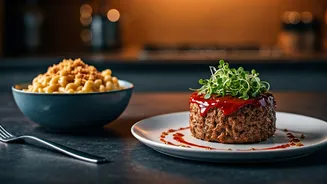
Meatloaf has long suffered from a PR problem, often dismissed as a dry, uninspired brick of ground meat. The new-age version is here to shatter that reputation. First, the texture is getting an upgrade with binders like panko and milk-soaked bread for a more tender result. Second, the flavor profiles are going global. Instead of just ketchup, glazes now feature sriracha, gochujang, or balsamic reduction. Some chefs are even wrapping their loaves in bacon for self-basting smokiness. More importantly, the very definition of “meat” is changing. Plant-based versions using Impossible or Beyond Meat, packed with mushrooms and savory spices, are becoming stars in their own right, delivering the same comforting heft without the actual meat.
4. Deviled Eggs Get Dressed Up
Once a fixture of church potlucks and holiday spreads, the deviled egg is experiencing a full-blown renaissance as a trendy bar snack and appetizer. The classic paprika-dusted yolk filling is still a great starting point, but the toppings are where the new-age love shines through. We’re seeing deviled eggs crowned with a stunning array of garnishes: a dollop of briny caviar or tobiko, a sliver of smoked salmon, a piece of crispy fried chicken skin, or a dash of hot sauce and a pickled jalapeño. The filling itself is also being transformed with additions like avocado, horseradish, or pesto. It’s a low-cost, high-impact way for restaurants to offer something familiar yet surprising.
5. Gelatin Finds Its Footing
Perhaps no food is more symbolic of mid-century Americana than the wobbly, often-mocked Jell-O salad. Suspended fruit and savory ingredients gave gelatin a kitschy reputation it’s only now shaking off. Today, chefs and mixologists are reclaiming gelatin for its unique textural properties, creating elegant, sophisticated desserts and cocktails. Think delicate, wine-infused fruit terrines, panna cotta with a shimmering gelée top layer, or even craft cocktail “Jell-O shots” made with high-quality spirits and fresh juices. By focusing on natural flavors and beautiful presentation, this new wave of gelatin treats has left the molded salads of the past far behind, proving that even the most dated trends can find a new, more refined life.