


The Cloud-Dweller's Kingdom
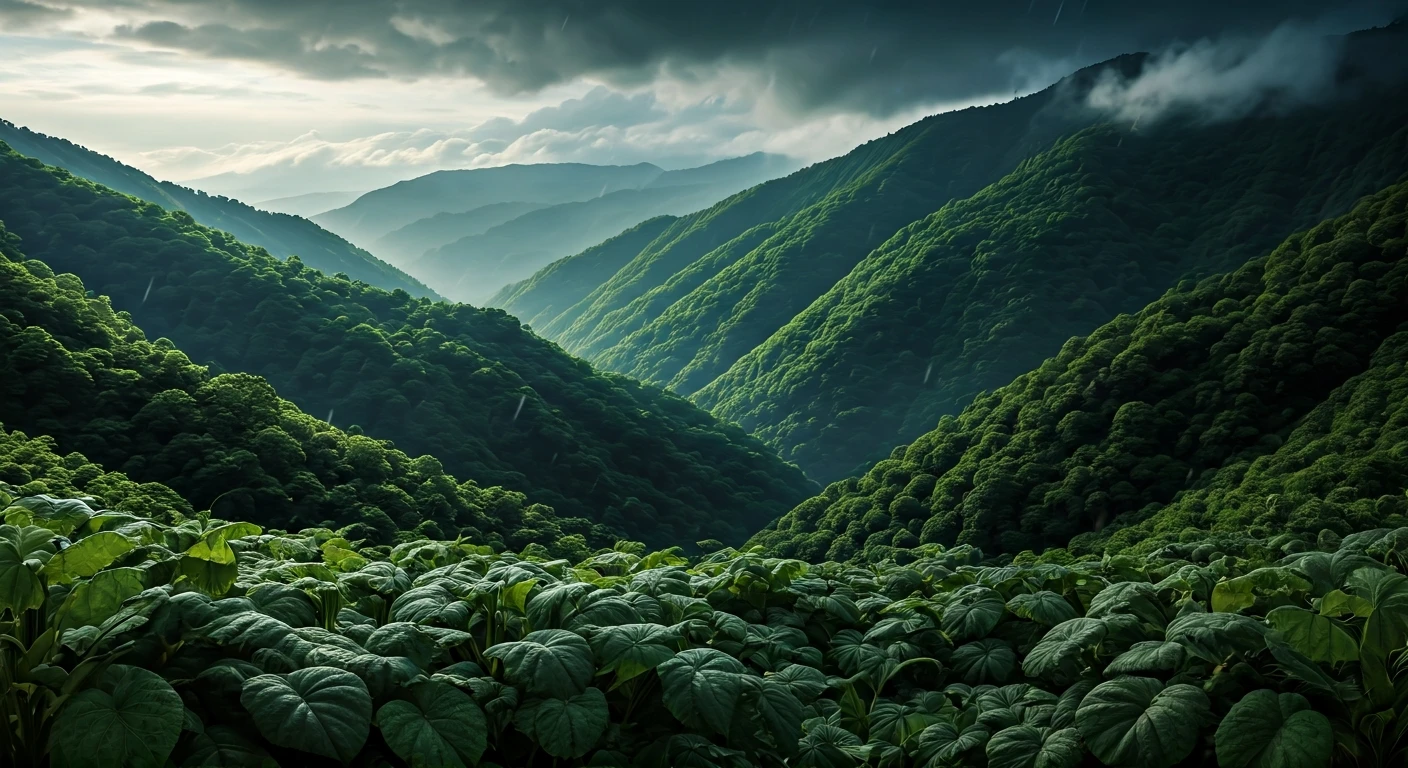
Welcome to Meghalaya, a state in India whose name literally translates to "Abode of the Clouds" in Sanskrit. Tucked between Bangladesh and Bhutan, this region of rolling hills and dense forests is a world away from the dusty plains and crowded cities
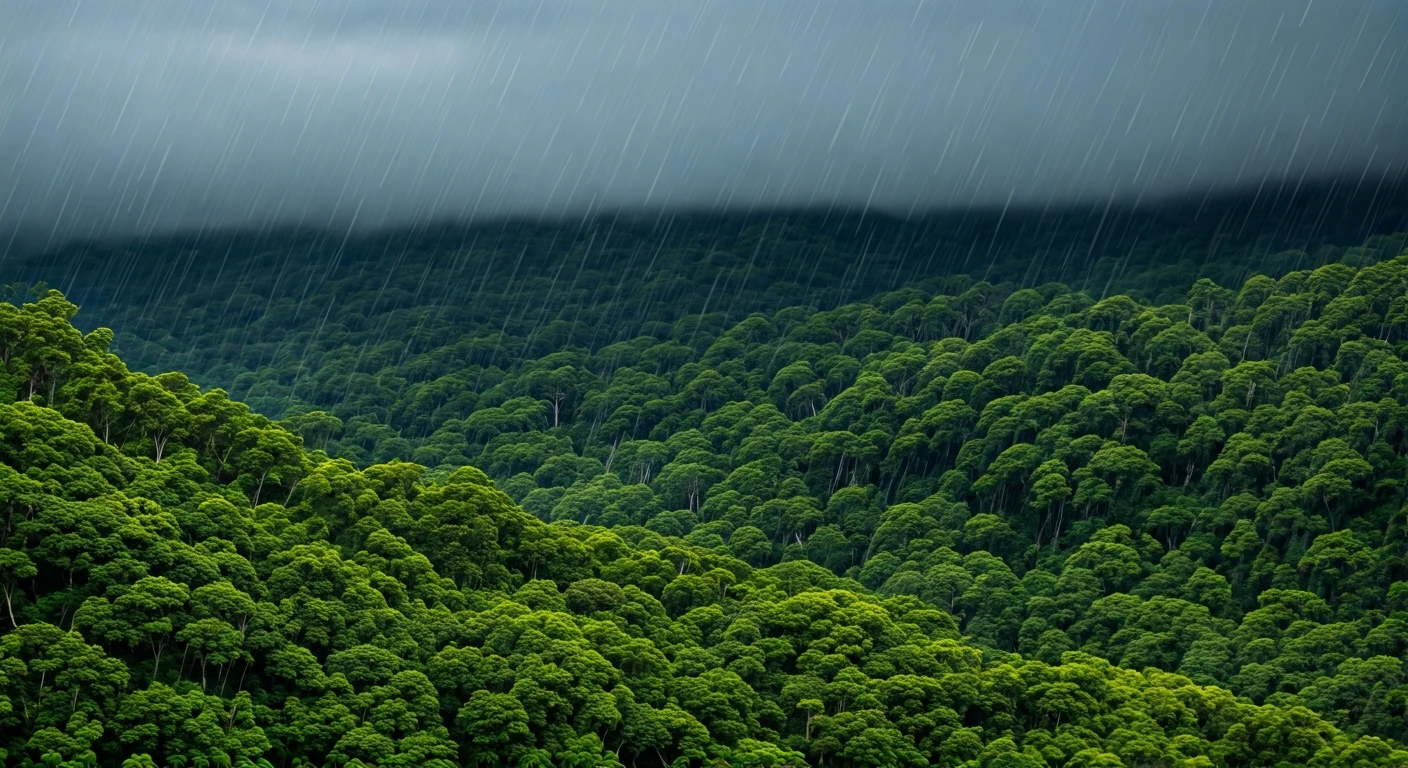
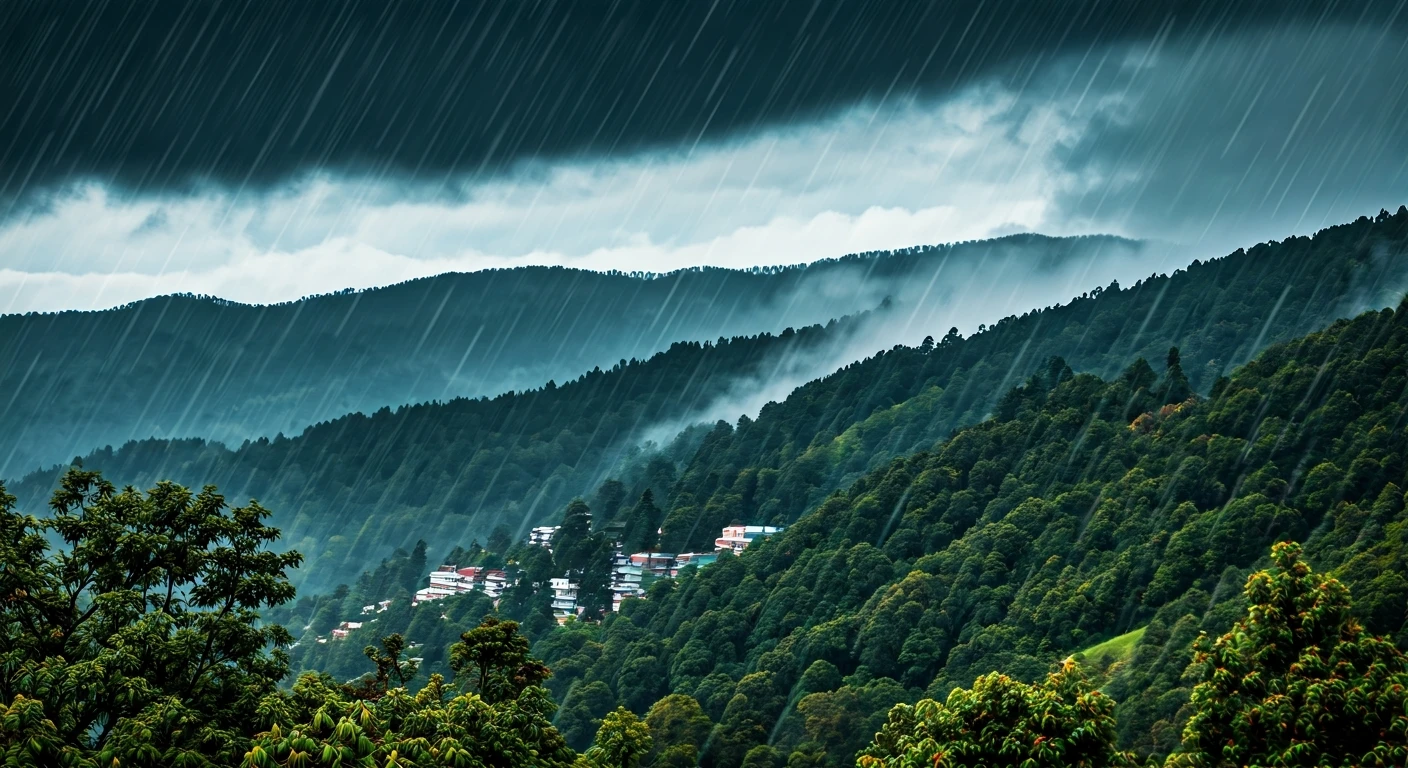
many associate with the country. For decades, two of its villages, Mawsynram and Cherrapunji, have been locked in a friendly rivalry for the title of 'wettest place on Earth.' While Guinness World Records currently gives the honor to Mawsynram, both receive an astonishing amount of rainfall. We're not talking about a few afternoon showers. Mawsynram averages over 467 inches of rain per year. For perspective, Seattle gets about 38 inches. This isn't just a rainy destination; it is the global capital of rain.
The Perfect Rain-Making Machine
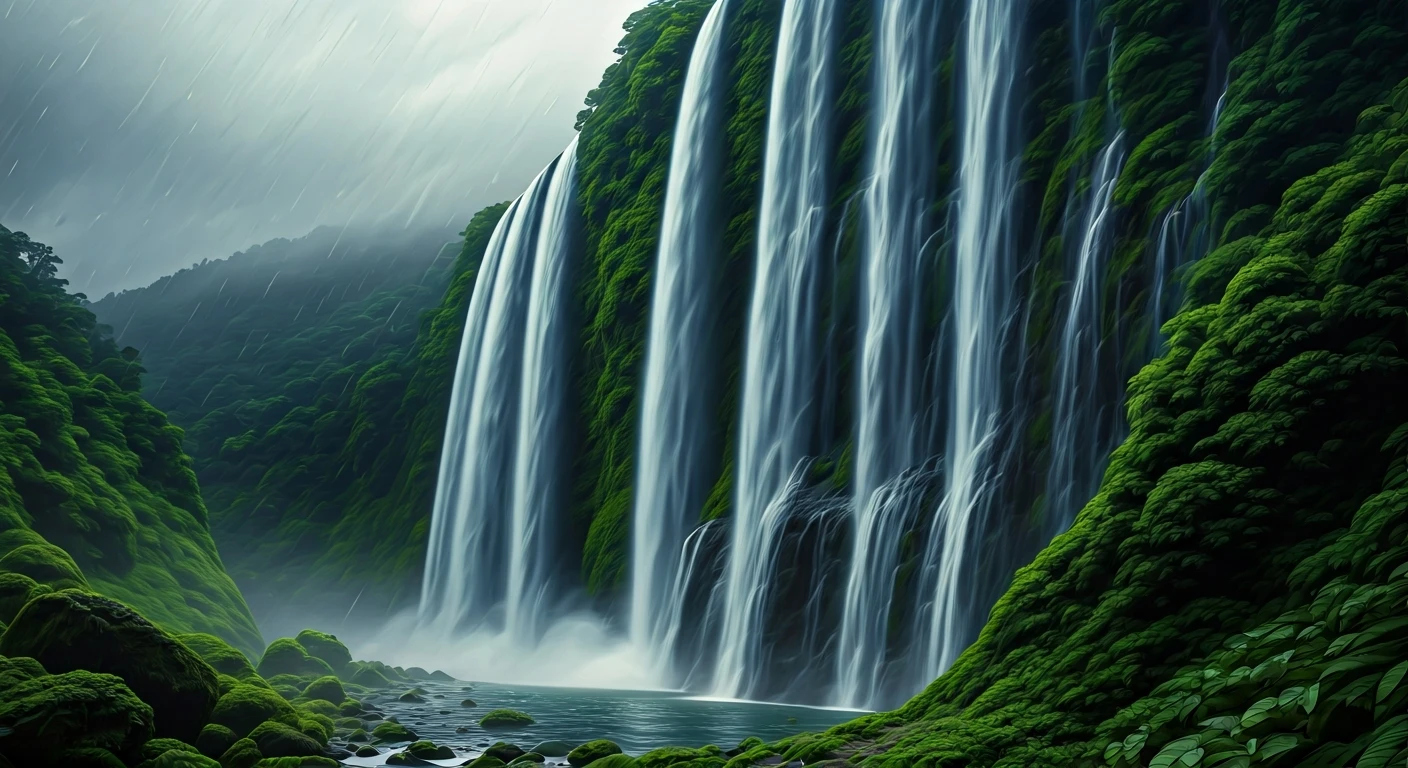
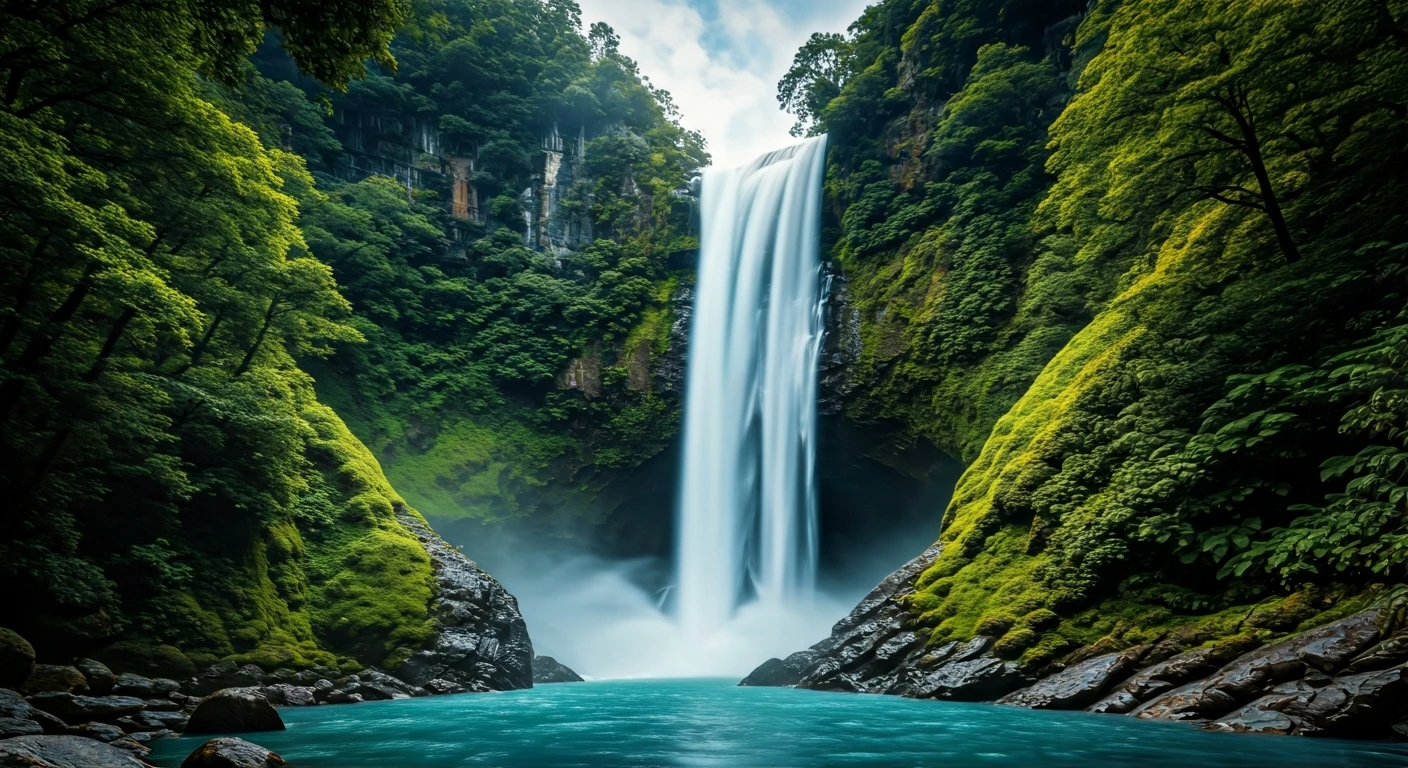
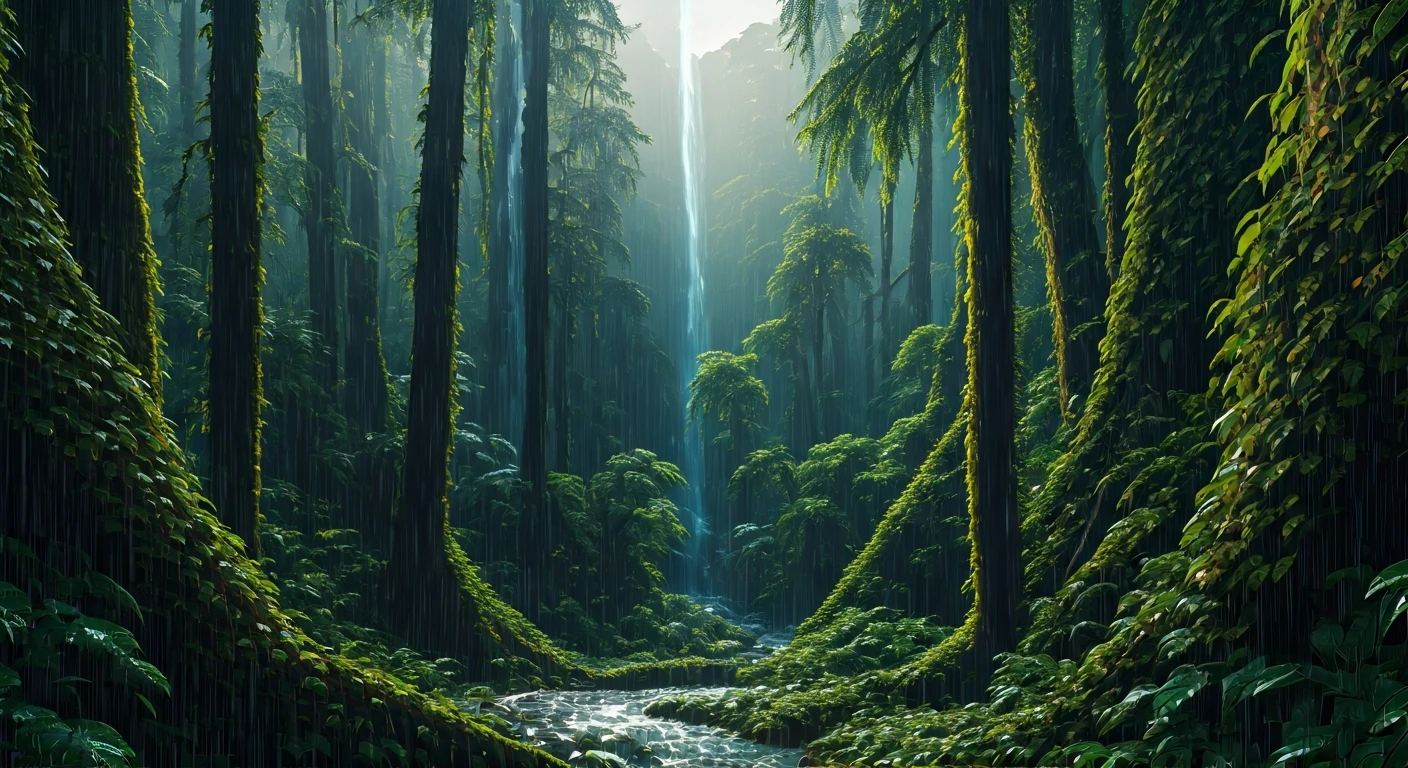
So, why here? Meghalaya’s extreme weather is the result of a perfect storm of geographical circumstances. During the monsoon season, which typically runs from June to September, warm, moisture-heavy clouds sweep in from the Bay of Bengal. As they travel over the hot, flat plains of Bangladesh, they gather immense amounts of water vapor. Then, they hit a wall: the Khasi Hills of Meghalaya. This sudden, steep elevation gain forces the clouds to rise rapidly, cool, and dump their entire payload in a concentrated deluge. It's a simple, brutally efficient system that has been drenching this landscape for millennia, turning the entire state into a colossal, living waterfall for several months of the year.
Life Woven from Water
Locals don't just tolerate the rain; their entire culture is built around it. In a place where a normal wooden bridge would quickly rot and be washed away by torrential rivers, the Khasi people developed a breathtaking solution: living root bridges. Over generations, they have learned to guide the aerial roots of rubber fig trees across rivers and chasms, weaving them into sturdy, living structures that grow stronger with time. Some of these bio-engineered wonders are hundreds of years old. To stay dry, villagers use 'knups,' turtle-shell-shaped shields woven from bamboo and grass, which function like a personal, wearable roof. Life continues, markets bustle, and children play, all under the constant rhythm of the rain.
A Symphony for the Senses
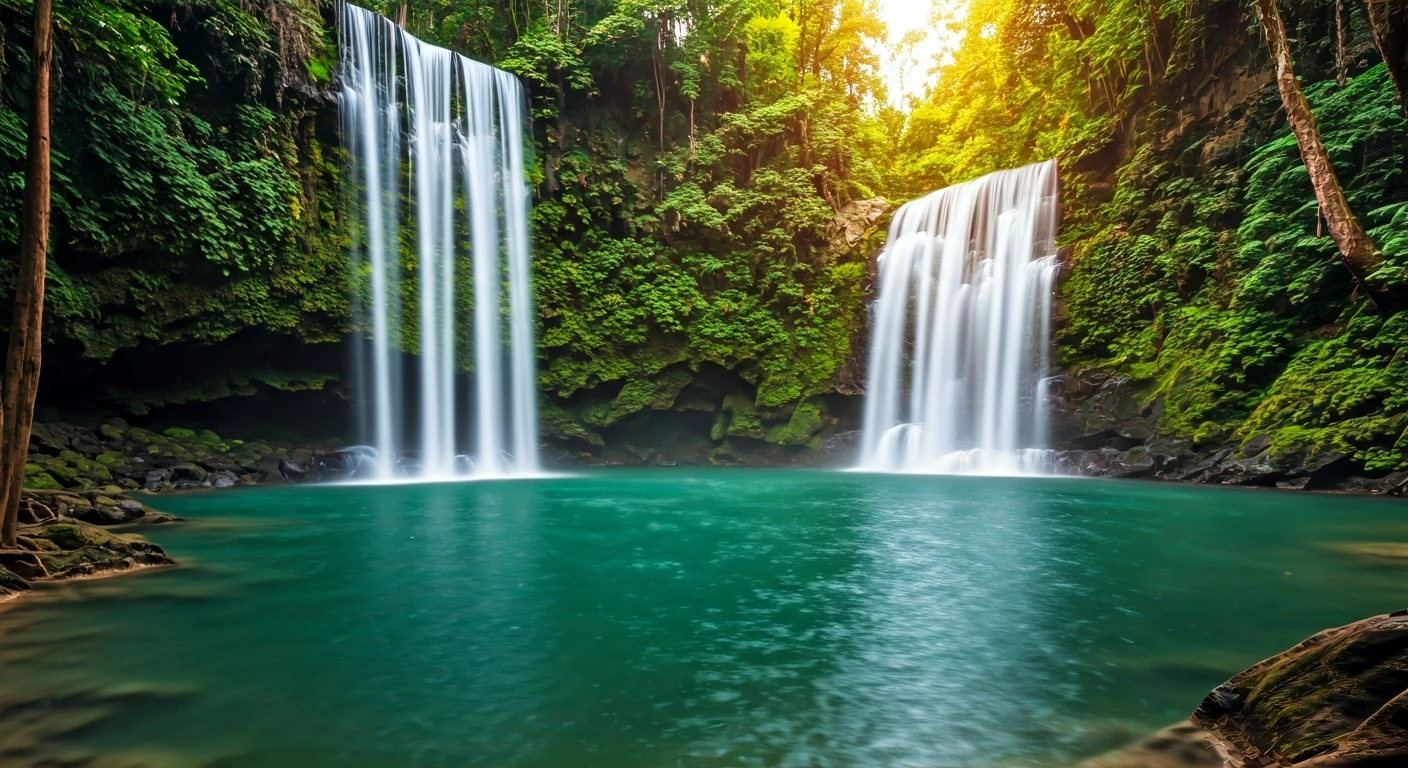
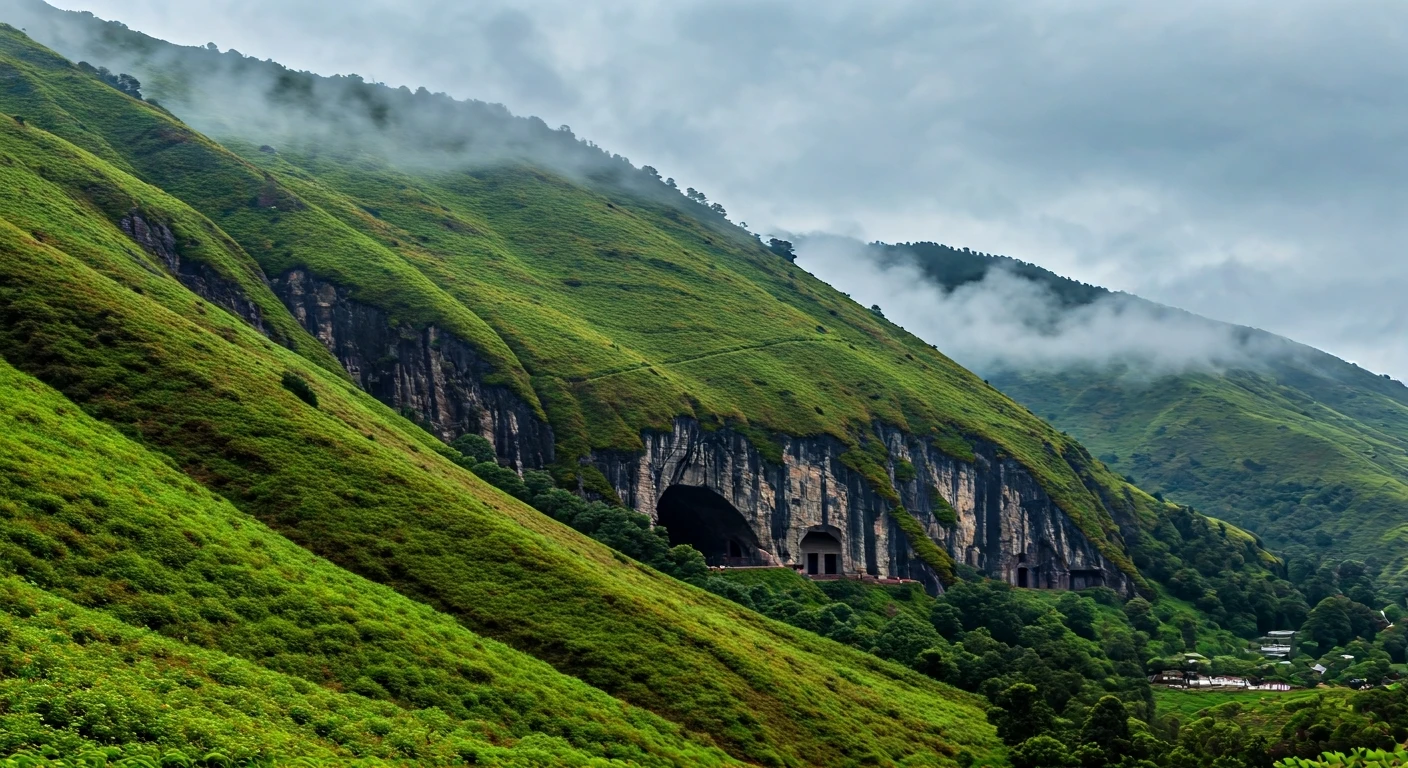
Visiting Meghalaya during the monsoon is not a 'sightseeing' trip in the traditional sense; it's a full sensory immersion. The soundscape is a constant, complex symphony of water—from the gentle patter on a tin roof to the deafening roar of a newly formed waterfall cascading down a cliffside. The air is thick with the smell of wet earth, petrichor, and blooming vegetation. Everywhere you look, the landscape is painted in impossible shades of green, so vibrant it almost hurts the eyes. Mist hangs low in the valleys, shrouding the hills in a mysterious, ethereal blanket. It’s a place that forces you to slow down, listen, and appreciate the overwhelming power and beauty of nature in its rawest form. It’s not about seeing the rain, but feeling it.