



From Aesthetics to Longevity
If your social media feed has seemed less focused on six-pack abs and more on mobility exercises and long, slow walks, you’re not imagining things. The fitness world is undergoing a seismic shift, moving away from a primary goal of aesthetics—looking
a certain way—and toward a new north star: longevity and healthspan. The question is no longer just, “How do I look good for the summer?” but “How can I move well, feel good, and stay active when I’m 80?” This isn't about giving up on being strong or fit. It's a fundamental re-prioritization. Instead of chasing punishing workouts that leave you drained and sore for days, people are embracing practices that build a durable, resilient body for the long haul. The focus is on functional strength (Can you carry your groceries and play with your grandkids?), cardiovascular efficiency, and stability, all of which are key markers for a long and healthy life.
The End of “No Pain, No Gain”
The high-intensity interval training (HIIT) boom of the 2010s conditioned a generation to believe that if you weren’t gasping for air and dripping in sweat, the workout didn’t count. While high-intensity work absolutely has its place, the new mindset acknowledges that it’s only one tool in the toolbox, and an overused one at that. The “go hard or go home” mentality is being replaced by a more nuanced understanding of exercise science.
Experts like Dr. Peter Attia have popularized concepts like “Zone 2” training—a low-intensity cardio state where you can still hold a conversation. This type of exercise is incredibly effective at improving mitochondrial function and metabolic health, foundations for longevity. The shift recognizes that recovery, rest, and lower-intensity movement aren't lazy; they are strategic and essential components of a truly effective fitness regimen. It’s about working *with* your body, not constantly waging war against it.
Why Now? A Mix of Science and Culture
Several forces are driving this change. The pandemic was a major catalyst. Stripped of gyms and fancy classes, people started walking, hiking, and exploring simpler forms of movement. This coincided with a collective mental health reckoning, where the idea of punishing our bodies in a stressful world began to feel counterintuitive.
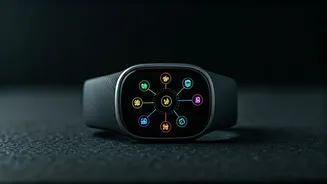
Simultaneously, accessible science on longevity has entered the mainstream. Wearable tech like Oura rings and Whoop bands gave everyday people data on their sleep, recovery, and heart rate variability, proving that over-training can be just as detrimental as under-training. Finally, a culture tired of burnout in all its forms—from work to workouts—was ready for a kinder, more sustainable path. The “soft life” trend isn’t just about aesthetics; it’s about rejecting grind culture, and that includes in the gym.
What This New Fitness Looks Like
So, what does this shift look like in practice? It’s less about specific workouts and more about a balanced approach. A week of fitness might include:
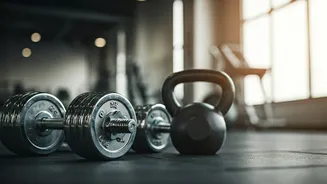
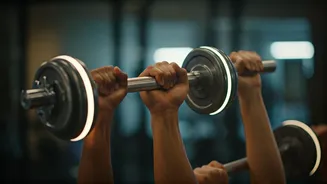
- **Two or three days of strength training,** focusing on compound movements that build functional muscle.
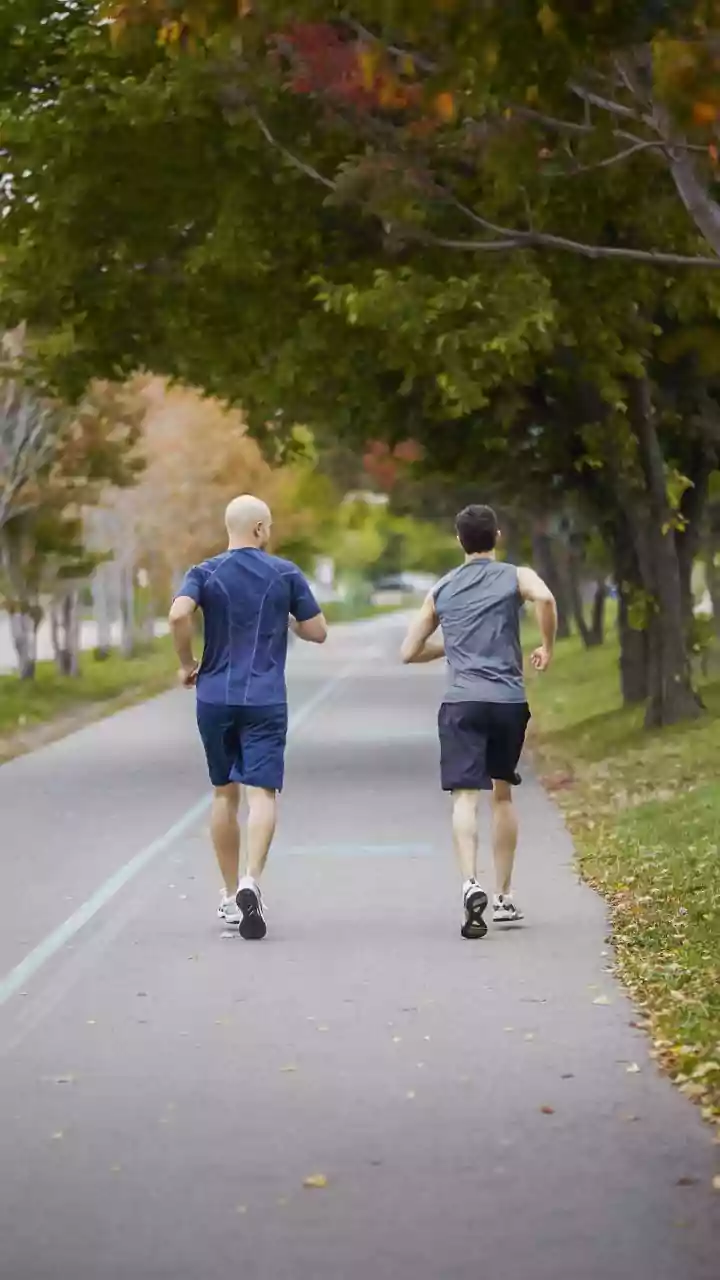
- **Three or four days of Zone 2 cardio,** like brisk walking, light jogging, or cycling for 45-60 minutes.
- **One short session of high-intensity work,** if you enjoy it and have the capacity for it.
- **Daily mobility and stability work,** even for just 10 minutes, focusing on joint health and balance.
- **“Social fitness,”** like walking with friends, playing pickleball, or joining a recreational sports team, which combines movement with community and fun.
It’s a portfolio approach to physical wellness, where the goal isn't to dominate a single workout but to build a consistent, enjoyable, and life-enhancing routine.