






The King and the Challenger
Picture this: it’s May in West Bengal, and the air is thick with a humidity you can practically swim through. Relief arrives not in the form of rain, but on fruit carts. First comes the undisputed monarch: the mango. In this part of the world, the mango isn’t
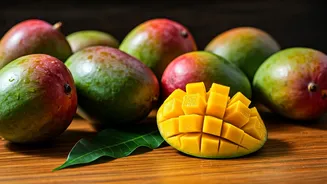
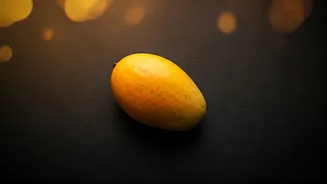
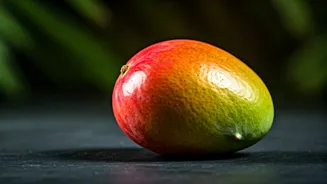
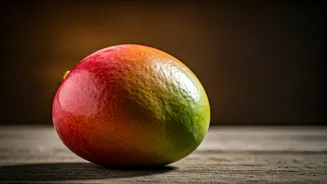
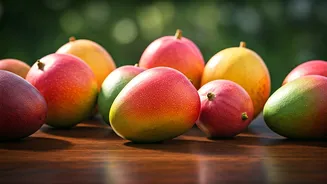
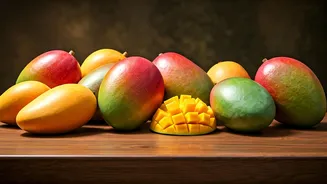
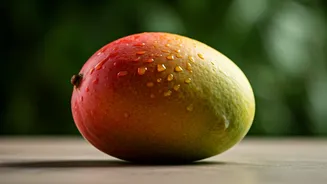
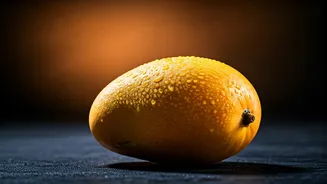
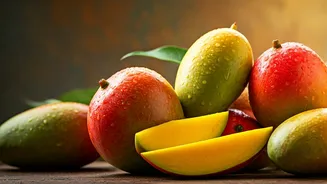
just a fruit; it’s an institution. Specifically, varieties like the Himsagar and the Lyangra are revered with a quasi-religious fervor. They are sweet, fragrant, and fiberless, with a golden pulp that defines the season. The mango is the long-reigning king, a symbol of summer’s glorious, extended peak.
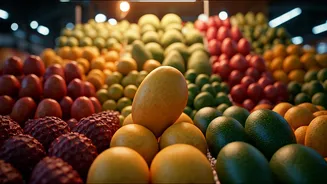
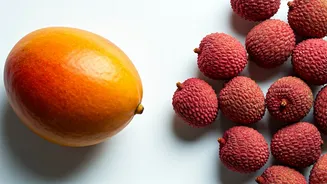
But just as the mango settles onto its throne, a challenger appears. The litchi (often spelled lychee in the U.S.) arrives in ruby-red bunches, a flash of brilliance. Its reign is short, often just a few weeks. Each litchi is a burst of perfumed, translucent flesh—a fleeting, delicate treasure. It doesn’t have the mango’s staying power, but its arrival is an event, a brief, intoxicating affair that fans cherish with frantic devotion.
A Fierce Seasonal Drama
The core of the drama lies in their overlapping seasons. Litchis typically arrive in late May, heralding the true start of the fruit season. For a few glorious weeks, they are everywhere. People buy them by the kilogram, and the sweet scent hangs around markets. But just as you’re getting used to their presence, they vanish. Their disappearance is abrupt, leaving fans bereft and already nostalgic.
This is precisely when the mango hits its absolute prime. June is mango month. The king takes over completely, flooding the market with dozens of varieties. While the litchi is a sprint, the mango is a marathon, lasting well into July. This temporal dynamic fuels the debate. Litchi lovers argue their fruit’s ephemeral nature makes it more precious. Mango loyalists counter that their fruit’s sustained excellence proves its superiority. It’s a classic battle of intense, fleeting passion versus deep, enduring love.
The Case for Team Mango
For loyalists, the mango’s claim to the throne is non-negotiable. Its cultural roots run deep in Bengali literature, poetry, and art. It’s versatile in a way the litchi can only dream of. You can eat it sliced, blend it into lassis, make it into chutneys and pickles (using unripe ones), or turn it into *aamshotto* (fruit leather) to be enjoyed months later. The mango is woven into the fabric of daily life.
Choosing a favorite mango variety is its own sub-debate, but the Himsagar is often considered the pinnacle—a fruit so perfect it’s said to be an offense to eat it any other way than chilled, sliced, and savored. For Team Mango, the litchi is a pleasant opening act, a minor courtier who briefly entertains before the true king makes his grand entrance. The mango’s richness and cultural weight make it, in their eyes, the only serious contender for the fruit of the summer.
The Passion of Team Litchi
Team Litchi operates with the fervent energy of an underdog fan club. They argue that the mango is clumsy, messy, and frankly, a bit obvious. The litchi, by contrast, is elegant. It offers a clean, sophisticated burst of floral sweetness that doesn't overwhelm the palate. There’s a technique to peeling it perfectly, a small ritual that adds to the experience. Its brief appearance on the scene makes every single one feel like a gift.
Litchi advocates see their fruit as a symbol of pure, unadulterated joy. It’s not meant to be preserved or manipulated into other dishes; its perfection lies in its natural state. Their argument is less about cultural dominance and more about sensory bliss. They’ll ask, “Sure, mangoes are great, but can they match that first, perfect, fragrant bite of a chilled litchi on a scorching afternoon?” For them, the answer is a resounding no. Quality over quantity, they insist.
More Than Just Fruit
Ultimately, the mango-versus-litchi debate is the Bengali equivalent of arguing whether Texas or Carolina has better barbecue. There’s no right answer, and winning the argument is not the point. The debate is a beloved cultural ritual, an expression of a deep love for local produce and the changing of the seasons. It’s a cornerstone of *adda*—the quintessential Bengali art of long, rambling, passionate conversations.
These arguments are tied to childhood memories of grandparents peeling fruit after a long day, of cousins fighting over the last litchi in the bowl. It’s a way of reaffirming a shared cultural identity. To choose a side is to declare something about your own personality: Are you for sustained, regal excellence or for intense, ephemeral beauty? The “personal” nature of the fight comes from this connection to memory, family, and a profound sense of place.