



A City Suspended in the Clouds
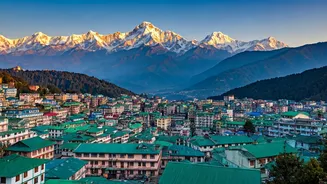
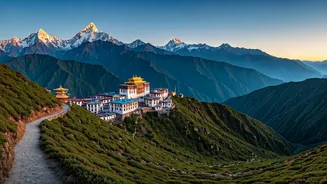
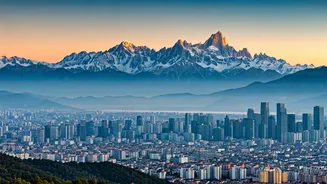
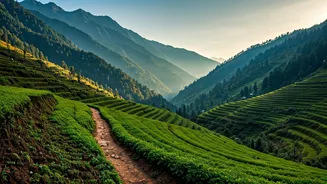
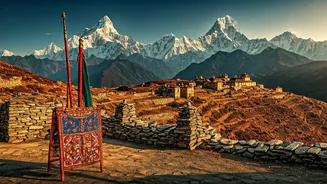
Gangtok, the capital of India's Sikkim state, feels like a city suspended between earth and sky. Built along a steep mountain ridge, its streets wind and climb, offering sudden, breathtaking views of the valleys below and the colossal peaks above. This
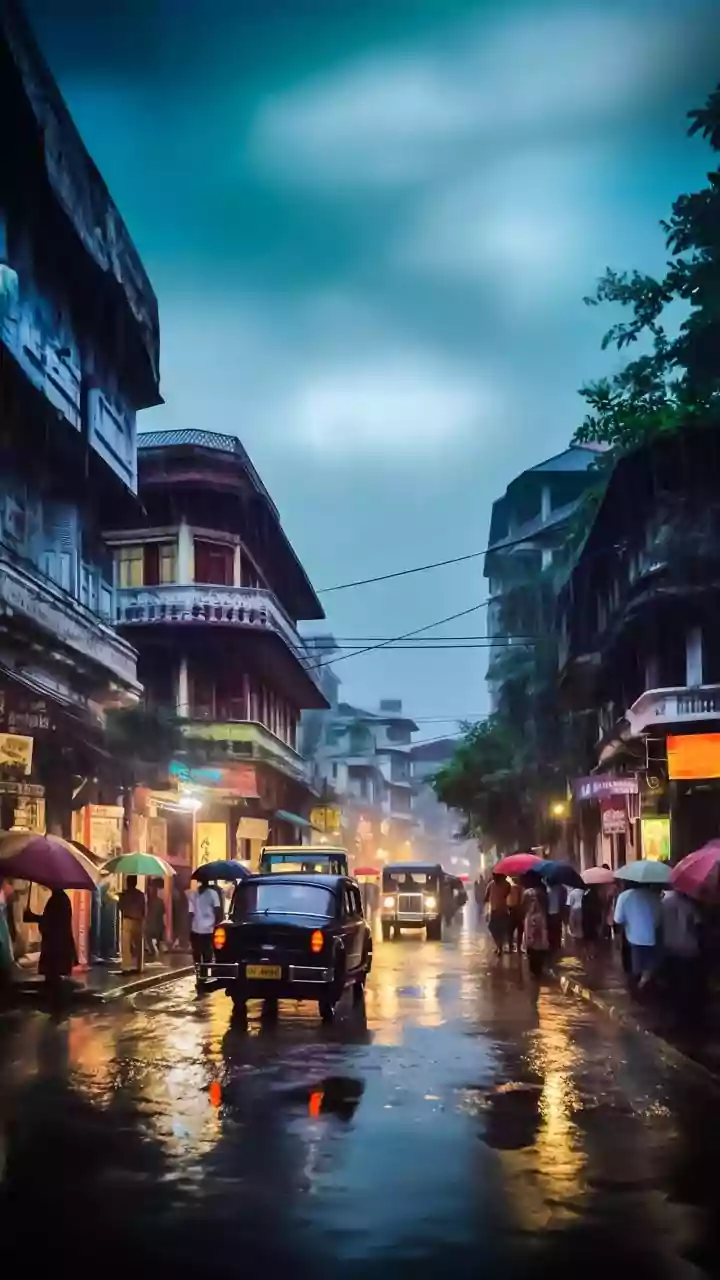
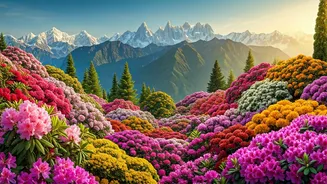
isn't a place you simply pass through; it’s a destination that commands your attention. Unlike the sprawling, chaotic energy of many Indian cities, Gangtok has a unique, orderly charm. Pedestrian-friendly promenades, a ban on honking in central areas, and an abundance of blooming flowers create an atmosphere of serene mountain calm. But this tranquility is merely a canvas for the explosive bursts of culture that define its festive calendar. It’s here, in this clean mountain air, that traditions feel not just preserved, but vibrantly alive.
Woven with Stories and Silk
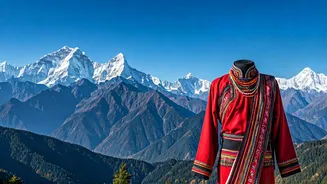
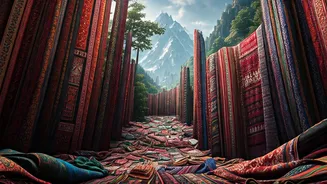
When a festival arrives in Gangtok, the streets transform into a living tapestry. The centerpiece of this transformation is the traditional attire, a bold statement against the often-misty landscape. The most iconic garment is the *Bakhu* (or *Kho*), a full-length, wraparound robe worn by the Bhutia and Tibetan communities. For women, these are often made of brilliant, jewel-toned silk brocade, cinched at the waist with a patterned belt. They are paired with long-sleeved blouses of contrasting colors and elaborate, heavy jewelry made of turquoise, coral, and a unique Sikkimese gem called *dzi* beads. The men’s *Bakhu* is typically more subdued in color but no less dignified, worn with high leather boots. These are not mere costumes trotted out for tourists; they are expressions of identity, heirlooms, and symbols of pride passed down through generations, each fold and fabric telling a story.
The Rhythms of the Festivals
The cultural calendar in Gangtok is a dizzying, year-round affair. During Losar, the Tibetan New Year, the city erupts in celebration. Monasteries like the famed Rumtek become hubs of activity, where masked dances, or 'chaam,' are performed. These are not simple performances. Monks adorned in elaborate, sometimes fearsome masks and rich costumes whirl and leap, reenacting tales of gods, demons, and the triumph of good over evil. The air thrums with the sound of long horns, cymbals, and drums. Another key festival, Pang Lhabsol, is unique to Sikkim. It’s a celebration that venerates Mount Kanchenjunga, the guardian deity of the state. Warriors perform elaborate mock battles and dances, a powerful display of cultural heritage that explicitly links the people’s faith to the very land they inhabit.
The Silent, Sacred Witness
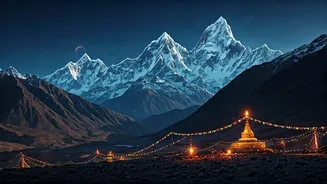
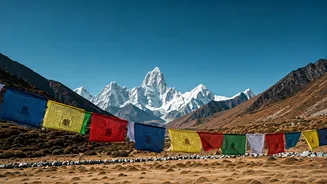
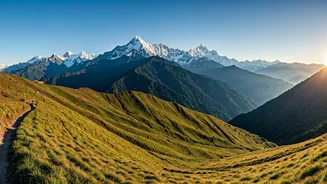
Looming over every festival, every street, and every prayer flag is the third-highest mountain in the world: Kanchenjunga. On a clear day, its five massive peaks dominate the horizon, appearing less like rock and ice and more like a celestial throne draped in white. For the people of Sikkim, Kanchenjunga is not just a mountain; it is a sacred, living entity. It is the silent witness to every ritual, the ultimate backdrop that gives every splash of color its profound meaning. The vibrant red of a monk’s robe, the brilliant yellow of a woman’s *Bakhu*, the intricate patterns of a festival mask—they all seem to borrow their power from the stark, eternal beauty of the snowy peaks. The costumes and dances are a dialogue with the landscape, a way for humanity to honor the immense power and beauty that surrounds them.