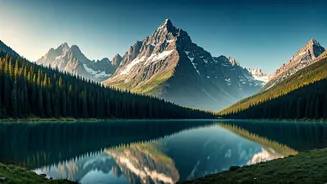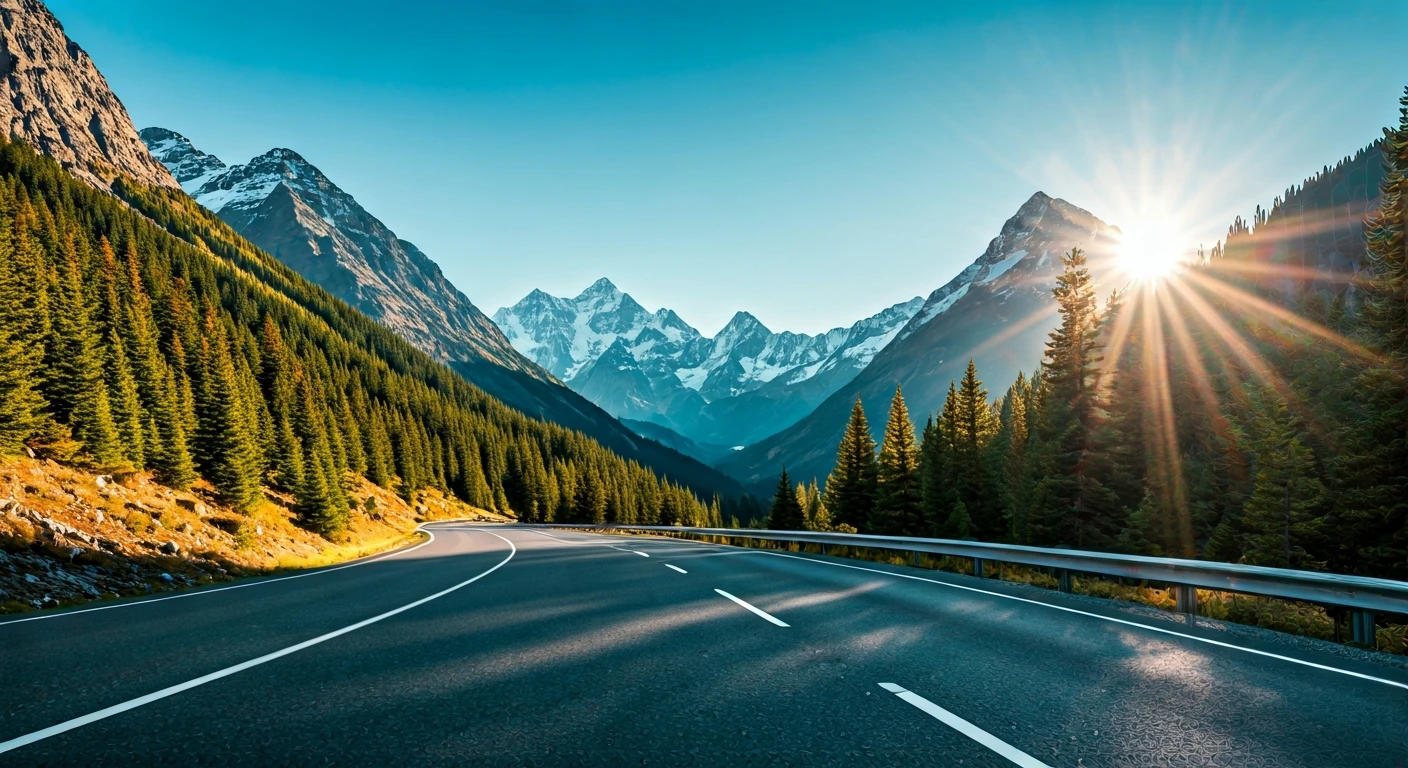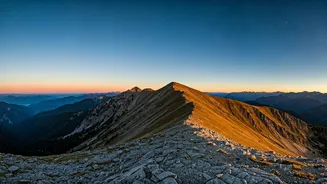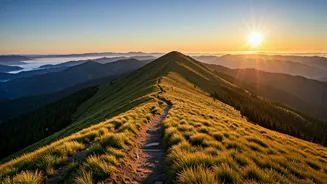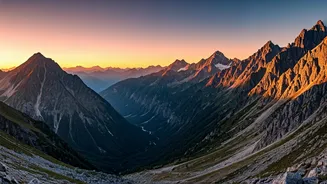


The Great Outdoor Gravitational Pull
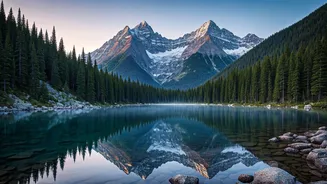
It’s not your imagination: the mountains are calling, and more people are answering. In the wake of a global event that confined us to our homes, the allure of wide-open spaces has become almost magnetic. This isn't just about escaping cities; it's about actively
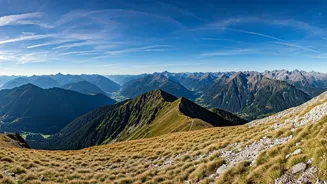
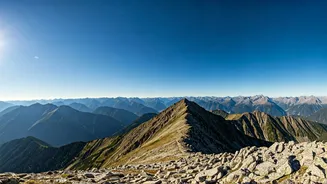
seeking out environments that feel expansive, clean, and fundamentally different from our daily routines. The trend represents a deeper cultural shift toward 'quiet adventure'—experiences that prioritize personal wellness, physical activity, and mental clarity over packed itineraries and bustling tourist hubs. Travel analysts note a sustained pivot from the frenetic energy of urban exploration to the restorative power of nature. A high-altitude trip offers a tangible goal—a summit, a viewpoint, the end of a trail—that provides a sense of accomplishment. It’s a vacation that asks something of you physically but gives back exponentially in peace of mind. This desire for disconnection from screens and reconnection with the physical world is fueling the fresh energy found in mountain towns and national parks across the country, from the Rockies to the Appalachians.
Redefining the Mountain Lodge
This renewed interest in alpine environments has spurred an evolution in mountain lodging. The spartan, drafty cabin of yesteryear still has its rustic charm, but the new wave of high-altitude hospitality is all about blending rugged adventure with refined comfort. Think less roughing it, more “amenities at altitude.” Luxury hotel brands known for coastal resorts are now planting flags at 8,000 feet, opening properties that feature farm-to-table restaurants, world-class spas, and architecture that frames the stunning landscape like a work of art. These destinations, like Bishop's Lodge in Santa Fe or the explosion of high-design properties in and around Jackson, Wyoming, cater to a traveler who wants to hike a challenging trail by day and sip a craft cocktail by a fire pit at night. They act as basecamps for exploration, offering guided fly-fishing, backcountry skiing, and mountain biking, but ensure a soft landing with Frette linens and a deep soaking tub waiting at the end of the day. It’s a formula that makes the wild feel accessible without taming it.
The National Park Renaissance
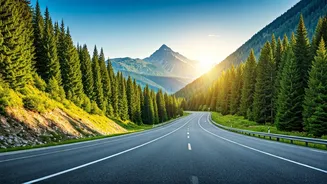
America’s “best idea” is having another major moment. National Parks in mountainous regions—like Glacier, Grand Teton, and Rocky Mountain—are experiencing unprecedented levels of interest. While this has created challenges, including overcrowding and the need for new reservation systems, it’s a clear sign of where Americans want to be. The timed-entry permits, though a hurdle for spontaneous trips, are a direct reflection of overwhelming demand to witness iconic landscapes like the Going-to-the-Sun Road or the Teton Range. For travelers, this means planning is more critical than ever. But it also signals that these places are worth the effort. A trip to a high-altitude national park is a pilgrimage for many, a chance to stand in awe of geological forces and feel refreshingly small. The new energy here is less about new infrastructure and more about a renewed appreciation for these protected, majestic spaces. Families and solo adventurers alike are rediscovering the simple, profound joy of a day spent hiking to an alpine lake or watching wildlife from a safe distance.
Finding Your Own Peak
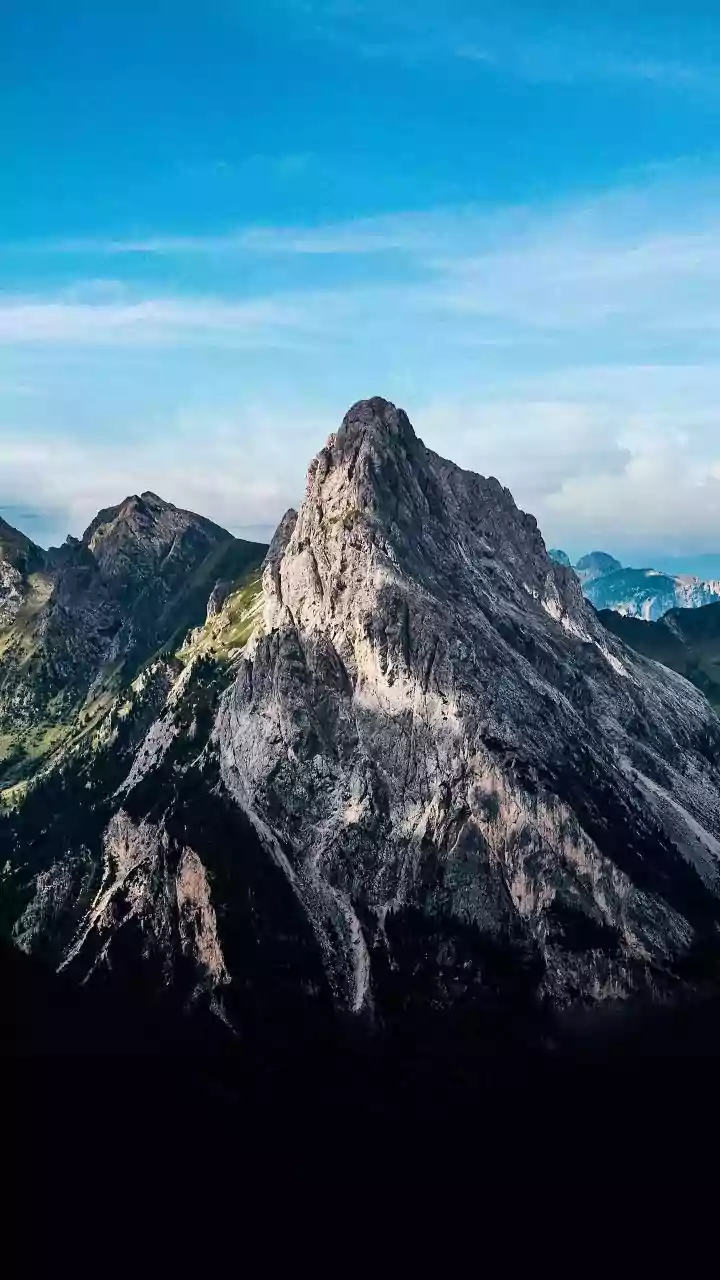
The beauty of America's geography is its vastness, and the high-altitude trend extends far beyond the famous headliners. As popular spots become more crowded, savvy travelers are discovering the appeal of secondary mountain ranges that offer the same sense of scale and solitude with fewer people. Instead of Zion, consider the dramatic vistas of Idaho’s Sawtooth Mountains. Instead of Aspen, explore the authentic mining-town charm and staggering beauty of the San Juan Mountains in southwestern Colorado, with towns like Ouray and Silverton. These places offer world-class hiking, stunning drives, and a more intimate connection to the landscape. This exploration of lesser-known peaks is a key part of the current trend—it’s not just about going to “the mountains,” but about finding *your* mountains, a personal slice of that clear-sky feeling that resonates long after you’ve returned to sea level.