


The Allure of the Off-Season
First, let's define the dream. For a growing number of travelers, the 'monsoon' season in South and Southeast Asia—typically from June to October—is no longer a deterrent. It’s a draw. Once considered the absolute worst time to visit places like Thailand,
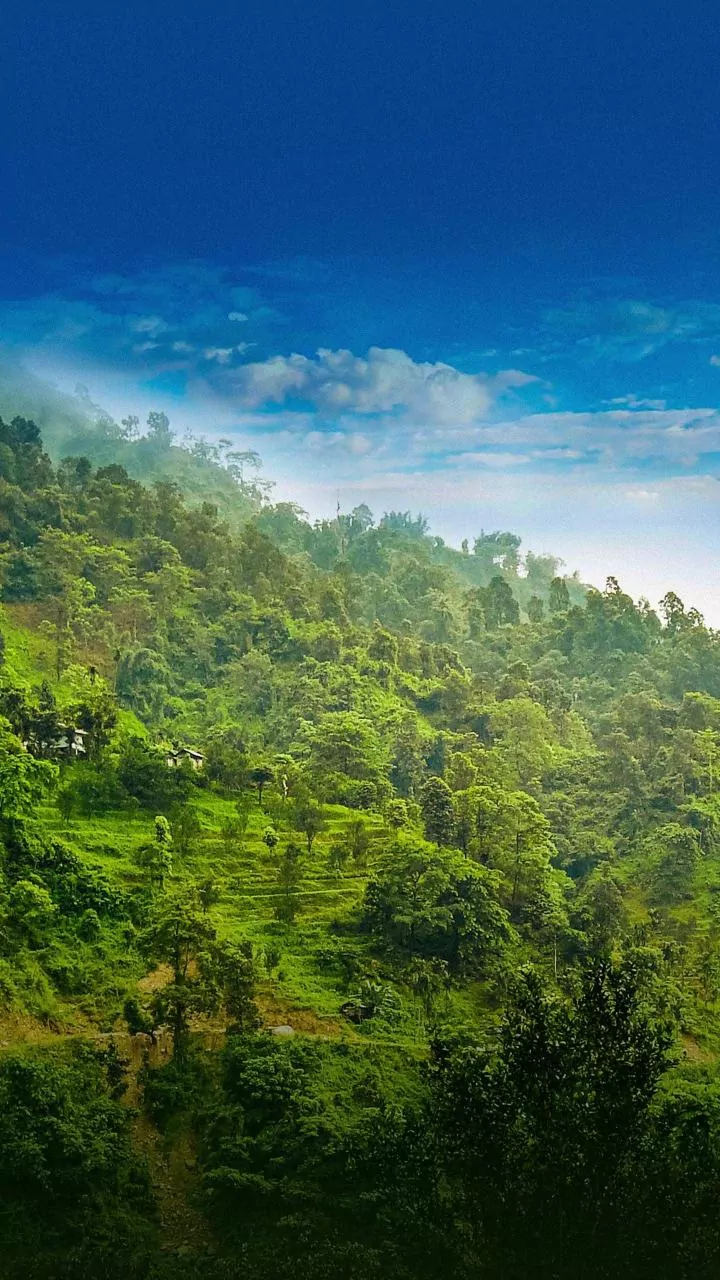
India, or Vietnam, the rainy season is being rebranded as the ultimate off-season hack. Imagine lush, impossibly green landscapes, dramatic skies, thundering waterfalls, and—best of all—a fraction of the tourists and peak-season prices. It’s a vision sold to those seeking a more 'authentic' experience, a quieter communion with a place rather than a frantic battle through crowds. For the post-pandemic traveler armed with a flexible schedule and a desire to escape the beaten path, the appeal is obvious. You get the epic views without the endless queues.
From Niche Interest to Viral Content
This shift from travel-don’t to travel-do has created a content gold rush. Travel bloggers, YouTubers, and major publications have discovered a hungry audience for monsoon-related advice. The topic hits a sweet spot: it’s visually stunning (stormy skies over ancient temples are prime Instagram fodder), aspirational, and filled with a hint of adventurous bravado. But unlike a simple guide to Paris in the springtime, it comes with a built-in sense of jeopardy. This isn't just about finding the best bowl of pho; it’s about navigating a season known for its unpredictability. And that's exactly why simple destination guides aren't enough. The audience isn’t just looking for inspiration; they are actively seeking reassurance.
Why 'Safety' Is the Magic Word
The real risks of monsoon travel are not just a bit of rain. They include flash floods that wash out roads, landslides that can isolate entire towns, choppy seas that lead to ferry cancellations, and an increased risk of mosquito-borne illnesses like dengue fever and malaria. A dream trip can quickly turn into a logistical nightmare, or worse, a genuine emergency. This is where the 'safe' listicle proves its genius. The word 'safe' is doing all the heavy lifting. It acknowledges the traveler’s underlying anxiety and immediately promises a solution. It filters the vast, intimidating possibilities of a region into a manageable, pre-vetted itinerary. It transforms the vague fear of the unknown into a concrete plan of action, targeting destinations with better infrastructure, lower rainfall, or specific microclimates that make them more resilient during the wet season.
Anatomy of the Perfect Monsoon List
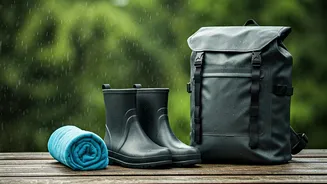
So what do these popular lists actually contain? They are a masterclass in utility-driven content. You’ll rarely see them recommend a rugged, multi-day trek in a remote mountain range. Instead, they focus on specific, strategic choices. For India, they might suggest the desert state of Rajasthan, which receives far less rain, or the 'rain shadow' regions of the Western Ghats. For Thailand, they’ll point you towards the Gulf coast (like Koh Samui), which has a different rainy season than the hard-hit Andaman coast (like Phuket). The advice goes beyond geography. The best lists include practical tips: pack quick-drying clothes and waterproof bags, book flexible tickets, have backup travel plans, carry a robust first-aid kit, and always check local weather advisories before setting out each day. They’re less of a travel brochure and more of a friendly, practical survival guide.