
Not Your 90s Fusion
Let’s get one thing straight: this isn’t the clumsy “fusion” cuisine that once gave us teriyaki-glazed salmon on a bed of risotto. The modern multi-regional menu isn’t about forcing disparate ingredients into a single, sometimes awkward, dish. Instead,
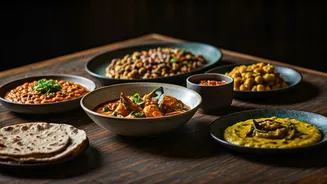
it’s a curatorial approach. A chef might present a perfect, regionally specific dish from Mexico right next to an equally authentic plate from Thailand. The integrity of each dish is preserved; the innovation is in the playlist, not the remix. Think of the chef as a DJ, pulling from a global record collection to create a vibe for the evening. The goal is to offer a vibrant tapestry of flavors that can stand alone but also harmonize when shared across the table. This approach respects culinary traditions while acknowledging that modern American palates are more adventurous and less constrained by geographic borders than ever before.
The Psychology of the Shared Plate
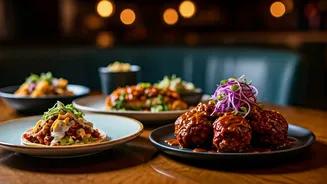
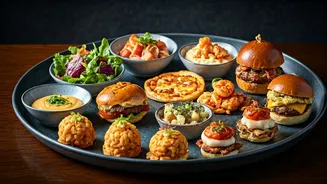
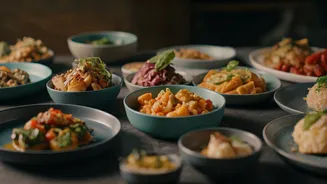
So why does this format make us want to share? It’s all about lowering the stakes and increasing the fun. In a traditional restaurant, ordering an entrée is a commitment. You’re locked into one flavor profile for the entire meal. If you choose poorly, you’re stuck with it. Multi-regional menus, often built around small-to-medium plates, dismantle this anxiety. Ordering becomes a low-risk, collaborative strategy. You can grab the spicy Sichuan dumplings, your friend can get the whipped feta with hot honey, and someone else can try the Baja fish tacos. Suddenly, the table is a playground of textures and tastes. This format inherently creates interaction. It sparks conversation—'You have to try this!'—and turns a meal from a series of individual experiences into a collective adventure. Everyone gets to be a co-curator of the night's feast, sampling and discovering together.
A Menu for the Modern Diner
This trend didn't appear in a vacuum. It’s a direct response to how we live now. We’re exposed to a constant stream of global culture through travel, social media, and streaming food shows. An eater in Ohio might be intimately familiar with the flavor profiles of Oaxacan mole or Korean gochujang without ever having left the state. Chefs are responding to this heightened culinary literacy. Furthermore, the rigid formality of the appetizer-entrée-dessert structure feels increasingly dated. Today’s diners often prefer a more fluid, casual experience—a style of eating sometimes called 'grazing' or 'small plates.' Multi-regional menus are perfectly suited for this. They cater to our shortened attention spans and our desire for variety. Whether it’s a group with diverse dietary needs (a vegan, a carnivore, and a gluten-free friend can all find something) or simply a table of curious eaters, this format offers ultimate flexibility.
Where It All Comes Together
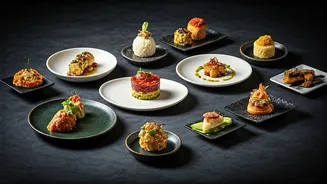
Look at the menus of some of the most talked-about restaurants in America, and you'll see this philosophy in action. Places like Girl & the Goat in Chicago and Los Angeles became famous for a bold, globe-trotting menu that pulls from countless traditions without being defined by any single one. In New York, restaurants build entire concepts around a fire-stoked oven that cooks everything from Middle Eastern flatbreads to Spanish-style prawns. These establishments aren't 'pan-Asian' or 'New American' in the old sense. They are simply 'delicious,' sourcing inspiration from wherever it can be found. The common thread is a focus on high-quality ingredients and flawless technique, applied to a diverse set of culinary ideas. This approach gives chefs creative freedom and gives diners what they increasingly crave: surprise, delight, and a reason to pass a plate across the table.