


The Allure of Rainy-Day Snacks
In much of South and Southeast Asia, the arrival of the monsoon is a celebration. The cooling rains provide relief from scorching heat and bring life back to the land. This shift also transforms the street food scene. Cravings turn to hot, fried, and comforting
snacks—think crispy pakoras in Delhi, steaming momos in Kathmandu, or savory noodle soup from a Bangkok cart. The rain creates a cozy, almost theatrical backdrop for eating outdoors, huddled under an awning. This experience is more than just a meal; it’s a cultural ritual, a sensory delight that connects you to the rhythm of the city. But this beloved tradition comes with a hidden side that’s easy to ignore when a perfectly spiced samosa is calling your name.
Why Monsoon Means More Risk
The very thing that makes the monsoon magical—water—is also what introduces the primary risk. Heavy rains can lead to waterlogging and flooding, which contaminates public water sources. The water used to wash vegetables, dilute chutneys, or make ice for drinks might not be safe. High humidity also creates an ideal breeding ground for bacteria and mold on raw ingredients and prepared food that sits out for too long. Flies and other pests, which thrive in damp conditions, can transfer pathogens with ease. This isn't just about a minor stomachache; the risk of serious waterborne diseases like typhoid, cholera, and hepatitis A, along with severe gastroenteritis, increases significantly during this period. Your favorite vendor might be doing their best, but the environmental conditions are working against them.
Rule #1: Follow the Fire
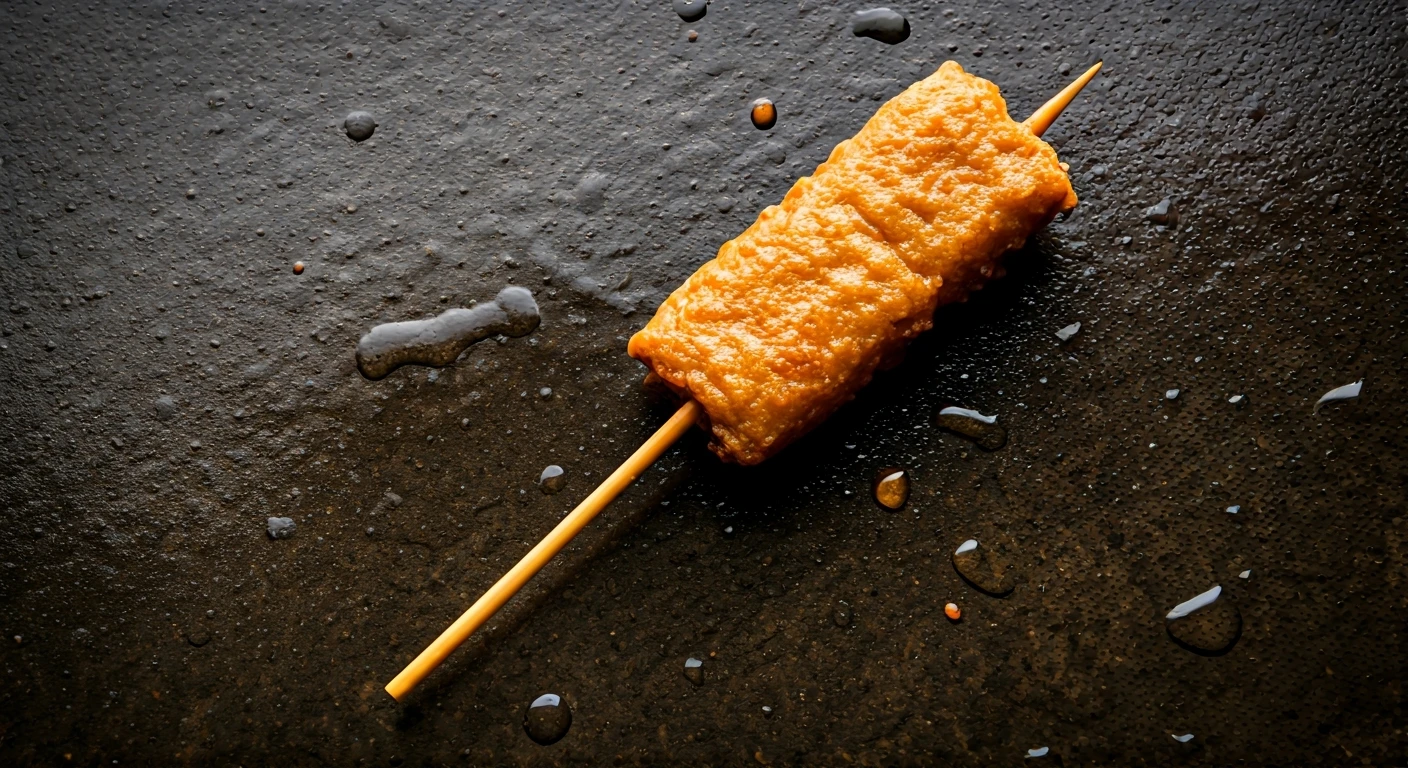
If you remember only one thing, make it this: eat food that is cooked hot, right in front of you. The high heat of a boiling vat of oil or a searing hot griddle is your best friend, as it kills most harmful bacteria and viruses. Be wary of anything that’s been sitting in a tray, even if it looks tempting. Ask for a fresh batch. Watch the vendor prepare your order from start to finish. This means prioritizing deep-fried snacks, freshly grilled skewers, or stir-fried noodles over items that are merely assembled. If the vendor has to reheat something for you, that’s a good sign. Lukewarm is the enemy; piping hot is the goal. This simple principle dramatically reduces your risk and lets you enjoy the food with peace of mind.
Beware the Uncooked and the Wet
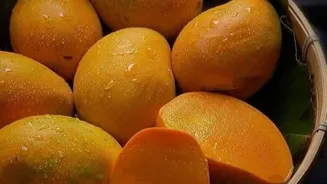
The most significant monsoon-related risks come from uncooked items and contaminated water. This is the time to be extra cautious with anything raw. That includes pre-cut fruit salads, which may have been washed in unsafe water and left exposed to the air. It also applies to the colorful array of chutneys and sauces that accompany many snacks. Unless you're certain they were made with filtered water and stored hygienically, it’s wise to skip them. Similarly, steer clear of fresh juices, sugarcane juice, and shaved ice desserts (golas or baraf ke gola), as the ice is often made from non-potable tap water. Stick to bottled, sealed beverages if you’re thirsty. It might feel like you’re missing out, but your digestive system will thank you.
How to Vet Your Vendor
Not all street food stalls are created equal. Use your eyes and your intuition to pick the right one. First, look for popularity. A long line of locals is an excellent sign; it means high turnover, so the food is constantly being replenished and hasn't been sitting out. Second, assess the general cleanliness of the cart and its surroundings. Are there flies everywhere? Is there garbage piling up? A vendor who takes pride in their space is more likely to be careful with their food. Observe their practices: Do they handle money and food with the same hands? Do they use separate cutting boards for raw and cooked items? While no street stall will have the sterile environment of a professional kitchen, these small details are a powerful indicator of overall hygiene and care.