





First Off, Where Is Lakshadweep?
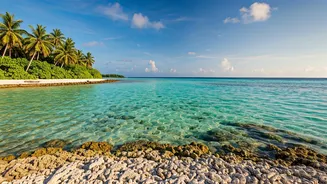
Imagine a string of pearls scattered across the turquoise expanse of the Arabian Sea. That’s Lakshadweep. Located about 250 miles off the southwestern coast of India, this union territory is the country's smallest, comprising 36 islands—only 10 of which
are inhabited. Unlike the volcanic origins of the Maldives, Lakshadweep’s islands are atolls, rings of coral that grew on ancient submerged volcanic peaks. This unique geology creates breathtakingly clear lagoons, pristine white-sand beaches, and vibrant marine life. For decades, it has been a well-kept secret, primarily known to serious scuba divers and those seeking a true off-the-grid escape. Think of it as India’s answer to Bora Bora, but with far fewer tourists and a much quieter, more rustic vibe.
The Sudden Spotlight
So why the sudden buzz? In early 2024, Indian Prime Minister Narendra Modi visited the islands, posting breathtaking photos of himself snorkeling and walking along the serene beaches. The images went viral, intended to promote domestic tourism. The timing coincided with a diplomatic spat with the Maldives, leading to a massive social media campaign in India encouraging travelers to choose Lakshadweep instead. Suddenly, online searches for the islands skyrocketed. What was once a niche diver’s paradise became a symbol of national pride and the next “it” destination. But this explosion in interest has put immense pressure on a place that is, by design and necessity, not built for mass tourism.
The Permit and Planning Forecast
Here's the first and most important forecast to check: your paperwork. You can't just book a ticket and go to Lakshadweep. All visitors, Indian nationals and foreigners alike, require a special permit. For U.S. citizens and other foreign tourists, the process is even more restrictive; access is limited to just a few islands, typically Bangaram and Agatti, and visits are often arranged through official tour operators. The Indian government tightly controls access to protect the islands' fragile ecosystem and the culture of its indigenous communities. Furthermore, getting there involves flying to the city of Kochi in the state of Kerala, and then either taking a small propeller plane to the lone airstrip on Agatti Island or embarking on an overnight passenger ship. Flights and ship berths are limited and sell out far in advance. Spontaneous trip? Not an option.
The Literal Weather Forecast
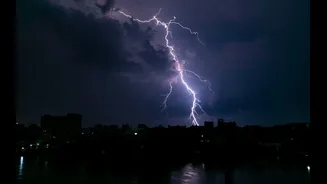
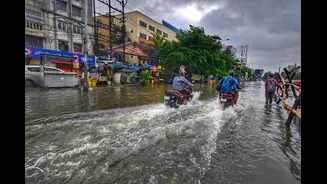
The second forecast is the literal one. As a tropical archipelago, Lakshadweep’s travel window is dictated by the monsoon. The best time to visit is from October to mid-May, when the seas are calm, the skies are clear, and the weather is idyllic for swimming, diving, and sunbathing. Come late May, the southwest monsoon rolls in, bringing with it torrential rains, high winds, and choppy seas. From June through September, the islands are essentially closed to tourism. Ferry and flight services become unreliable or are suspended entirely, and the rough conditions make any water-based activities impossible. Planning a trip during this period is a non-starter. Respecting this weather cycle is crucial not just for your enjoyment, but for your safety.
The Long-Term Climate Forecast
The most sobering forecast for Lakshadweep is the long-term one related to climate change. As a collection of low-lying coral atolls, the islands are exceptionally vulnerable to sea-level rise. Some projections suggest that many of the islands could become uninhabitable by the end of the century. The coral reefs, the very foundation of the islands and their main attraction, are also under threat from warming ocean temperatures, which can cause coral bleaching. This adds a layer of responsibility for any potential visitor. The limited infrastructure and strict permit system aren't just bureaucratic hurdles; they are essential tools for managing human impact on one of the most ecologically sensitive regions in the world. The call of Lakshadweep is also a call to be a mindful, low-impact traveler.