


The Off-Season Becomes the On-Ramp
In the world of aviation, the period from July to September has long been India’s “lean season.” With the monsoon rains sweeping across the subcontinent, travel demand historically plummets, leaving airlines with empty seats. To combat this, carriers
slash prices significantly, sometimes by as much as 20-30% compared to the peak summer or winter holiday seasons. This isn't a new phenomenon, but what's different now is the scale and the response. India’s domestic aviation market is one of the fastest-growing in the world. A fierce rivalry between legacy carriers and a fleet of budget airlines like IndiGo and Akasa Air has created intense competition. To keep their planes flying and revenue flowing during these traditionally slow months, airlines are aggressively marketing monsoon deals. Flash sales and discounted fares, once a novelty, are now a standard part of their yearly strategy. For millions of young, price-sensitive Indian travelers, these low fares have turned the monsoon from a travel barrier into a massive opportunity.
A Cultural Rebrand for the Rains
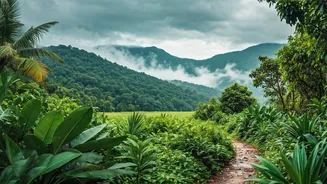
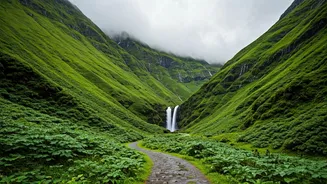
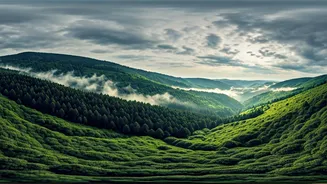
The shift isn’t just about economics; it’s deeply cultural. The perception of the monsoon itself is undergoing a major rebranding, driven by social media and a new generation’s desire for authentic experiences over canned tourism. Where previous generations saw inconvenience, today’s travelers see atmosphere. Instagram feeds that once featured sunny beaches are now filled with moody, dramatic shots of rain-drenched landscapes, misty mountains, and the vibrant, almost impossibly green foliage that the monsoon brings to life. This new appreciation celebrates the unique sensory experience of the season: the smell of wet earth, the cozy feeling of sipping hot chai while watching the downpour, and the serene beauty of a world washed clean. Travel influencers and bloggers have been instrumental in this shift, showcasing the romance of a monsoon getaway and proving that a little rain doesn't have to ruin a vacation. In fact, it can be the main attraction.
Where the Wanderlust Leads
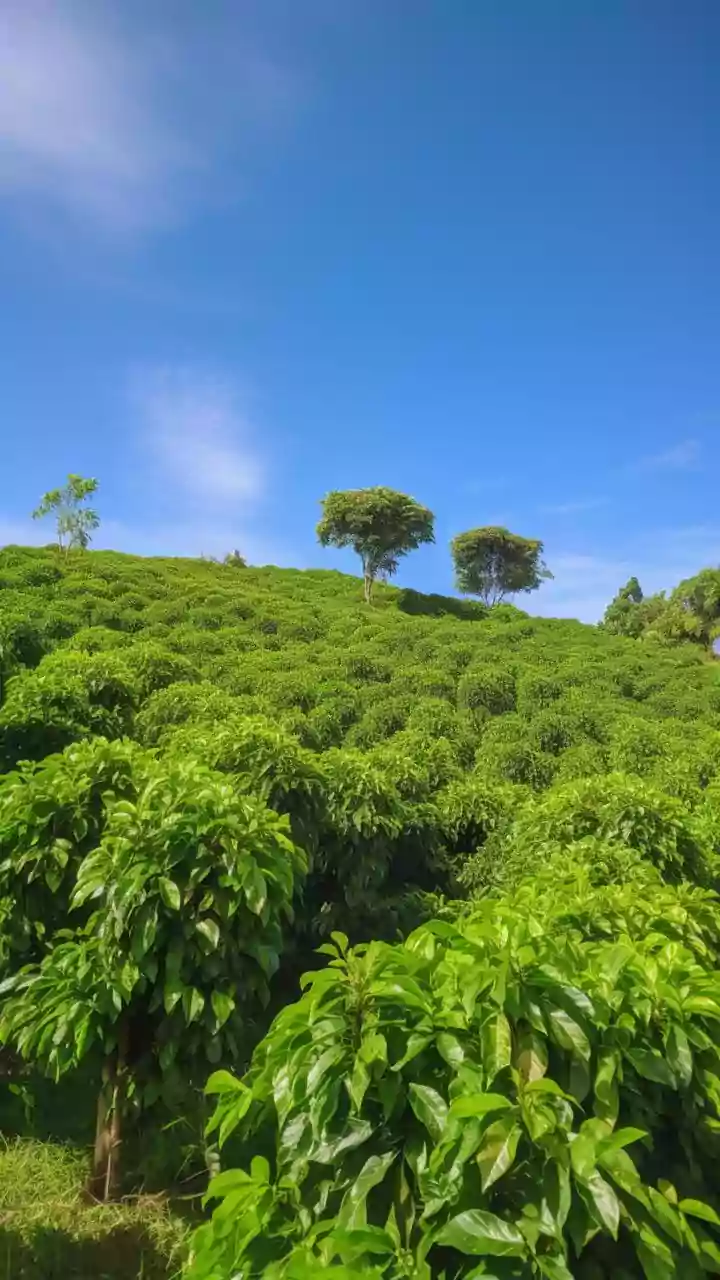
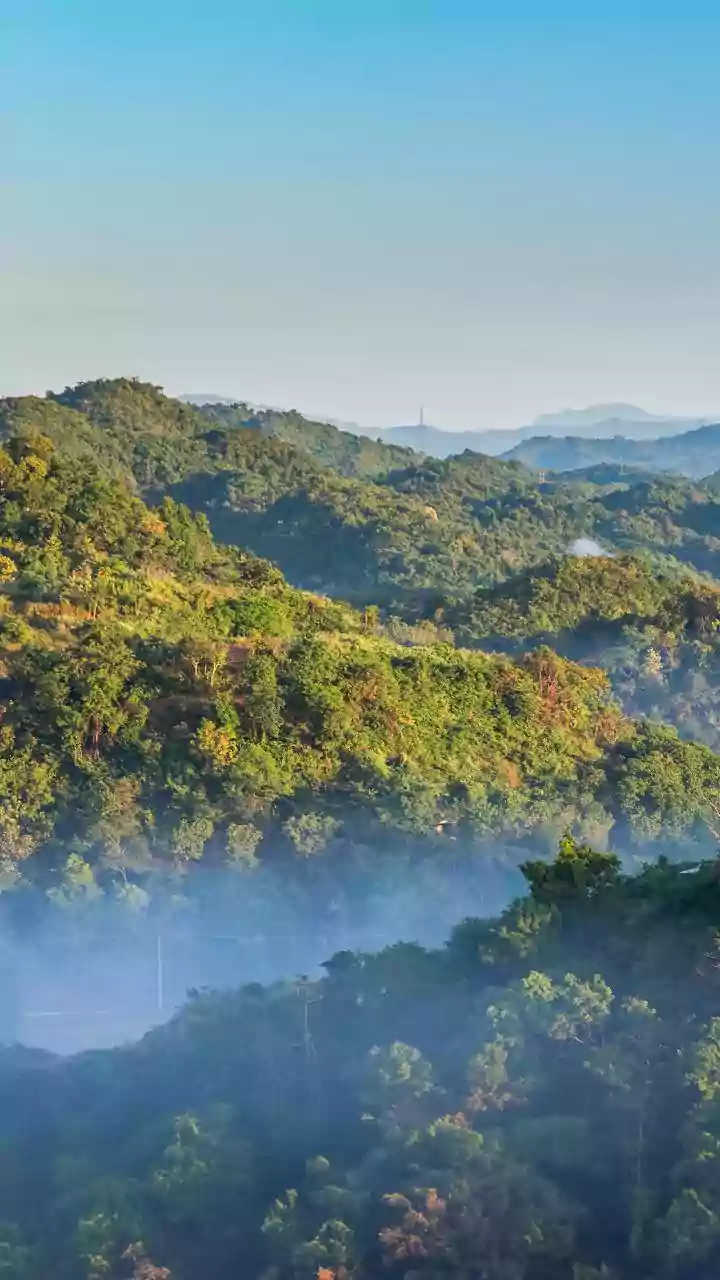
So, where are these rain-seeking travelers headed? The destinations are as diverse as India itself, but a few key hotspots have emerged. Kerala, long marketed as “God’s Own Country,” becomes even more lush and mystical during the monsoon. The famous backwaters swell, and the state’s wellness retreats see a surge in visitors seeking Ayurvedic treatments, which are traditionally believed to be more effective in the humid monsoon climate. Goa, India's premier beach destination, offers a completely different vibe. The raucous party scene quiets down, replaced by a tranquil, peaceful atmosphere. Travelers come for the verdant scenery, empty beaches, and dramatically reduced hotel prices. Similarly, the palaces and lakes of Udaipur in Rajasthan, a desert state, take on an ethereal beauty when the skies open up. And in the Western Ghats, hill stations like Munnar in Kerala and Coorg in Karnataka are enveloped in mist, offering breathtaking views and a cool respite from the heat.
The Ripple Effect on Local Economies
This newfound wanderlust is more than just a passing trend; it’s providing a crucial economic lifeline to tourist destinations during what was once a dormant period. Hotels, guesthouses, restaurants, and tour operators that used to scale back operations or even shut down for the season are now enjoying a steady stream of revenue. This helps create more stable, year-round employment in tourism-dependent areas. For travelers, the benefits extend beyond cheap flights. Accommodations are more affordable, popular sites are less crowded, and the overall experience feels more intimate and less commercial. This shift is turning the traditional tourism calendar on its head, proving that with the right combination of affordability and a fresh perspective, any season can become peak season.