


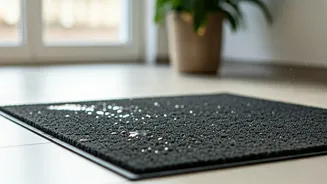


What Is This So-Called 'Magic' Mat?
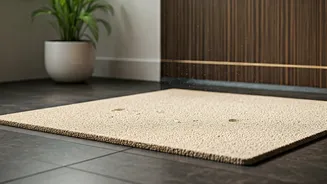
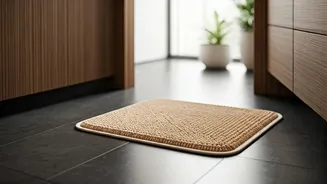
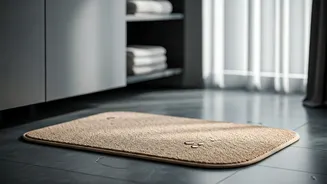
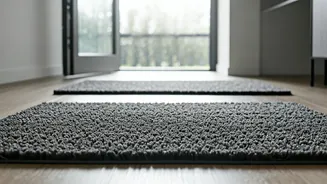
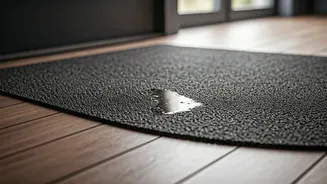
If you spend any time on social media, you’ve likely seen videos of them: unassuming, low-profile mats that seem to instantly swallow puddles of water. Unlike traditional coir or rubber mats designed for scraping, these viral sensations are all about
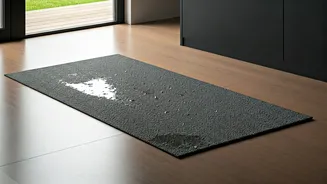
absorption. Typically made from materials like diatomaceous earth or highly advanced, densely woven microfiber, their primary job is to suck moisture from the soles of shoes, boots, and pet paws before it has a chance to form a puddle in your hallway. They represent a shift in entryway strategy—from aggressively scraping dirt off to passively absorbing the wetness that carries it.
The Science of Staying Dry
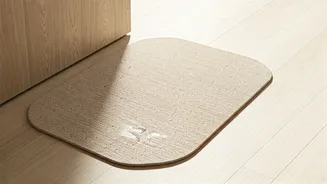
The secret isn't magic, but material science. Mats made from diatomaceous earth, a porous sedimentary rock, are covered in millions of microscopic holes. These pores create a massive surface area that draws water in through capillary action and allows it to evaporate remarkably quickly. You step on it wet, and moments later, the footprint has vanished. The other popular variant uses a specialized blend of cotton and microfiber. The cotton absorbs, while the ultra-fine microfiber strands split water droplets and trap them deep within the pile. This dual-action design allows them to hold significantly more water—often several times their own weight—than a standard cotton or synthetic rug.
Beyond Rainwater: Mud, Dirt, and Paws
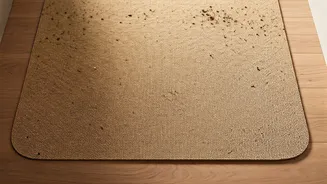
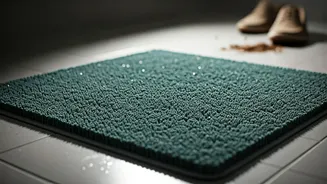
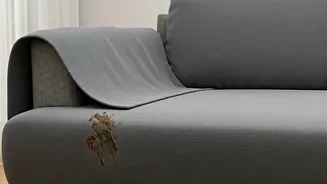
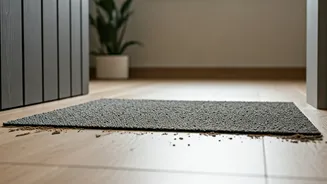
While the promise of a dry floor is appealing, the real battle is against mud and dirt. A wet shoe is a magnet for grime. By pulling moisture away instantly, these absorbent mats serve a dual purpose. They dehydrate the mud on boots, causing much of the dirt to break apart and fall into the mat's fibers rather than being smeared across your laminate or hardwood. This is a game-changer for pet owners, too. A dog coming in from a damp lawn can have their paws substantially dried in the few steps it takes to cross the mat, drastically reducing or even eliminating the need for the frantic towel-down by the door.
The Catch: Cleaning and Maintenance
So, what’s the downside? These mats are incredibly effective at trapping water and dirt, which means they need regular cleaning to maintain their performance. For microfiber versions, this usually means a trip through the washing machine. It’s crucial to follow the manufacturer’s instructions—typically a cold wash without fabric softener, which can coat the fibers and reduce their absorbency. They can then be air-dried or tumble-dried on low. Diatomaceous earth mats, being rigid, can't be tossed in the wash. They are typically cleaned by rinsing with water and, for deeper stains, gently sanding the surface with fine-grit sandpaper to expose a fresh, porous layer. While not difficult, this maintenance is a key part of ownership.
So, Does It Really Keep the Whole House Dry?
Let’s be realistic. No single doormat can create an invisible forcefield around your entire home. The headline-grabbing claim of keeping your *whole house* dry is marketing hyperbole. However, what these mats do with remarkable efficiency is solve the entryway problem. They act as a powerful first line of defense, containing the vast majority of water and mud at the door. By stopping the mess at its source, they prevent it from being tracked further into your living room, kitchen, and bedrooms. In this way, they don't just keep the entryway dry; they fundamentally contribute to a cleaner, drier, and less-frustrating home environment, especially during wet seasons.