

The Land of High Passes
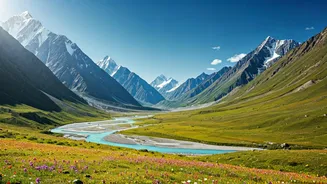
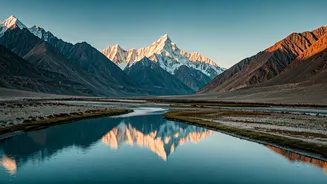
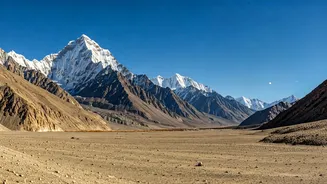
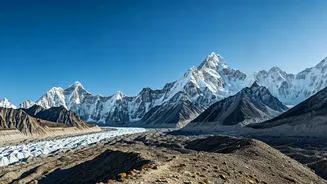
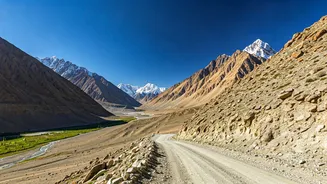
Often called “Little Tibet,” Ladakh is a high-altitude desert sculpted by wind and time. Forget lush greenery; this is a landscape of raw, elemental power. Jagged peaks, some permanently cloaked in snow, pierce a sky so blue it feels unreal. Barren mountainsides
unfold in a spectrum of ochre, purple, and brown, their starkness broken only by the turquoise ribbons of the Indus and Zanskar rivers. The air is thin, crisp, and clean. This is not a place you simply visit; it's a place you feel. Its vastness has a way of recalibrating your perspective, making everyday worries seem insignificant against the backdrop of geological time. The region’s capital, Leh, sits at about 11,500 feet, an ancient town nestled in a valley that serves as the gateway to this otherworldly terrain.
A Silence You Can Truly Hear
The “ultimate peace” the region promises isn't just a marketing slogan; it's a tangible reality. In many parts of Ladakh, the most dominant sound is the wind whistling through prayer flags or the gentle murmur of a distant stream. For many travelers, the most striking experience is the absence of noise pollution—no traffic hum, no sirens, no constant digital pings. Cell service is spotty at best outside of Leh, forcing a natural and welcome digital detox. This enforced disconnect allows for a deeper connection with your surroundings and yourself. It’s in this quiet that visitors find clarity, a slowing of the mind that feels both restorative and profound. It’s the perfect environment for meditation, reflection, or simply the rare act of being fully present.
Ancient Monasteries and Living Culture
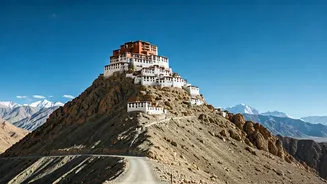
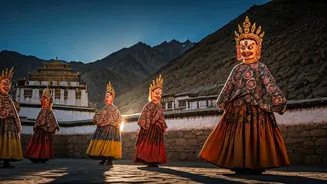
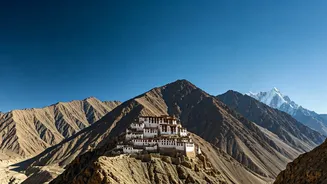
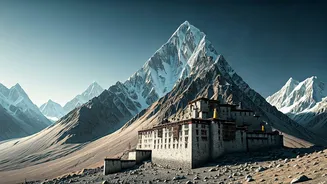
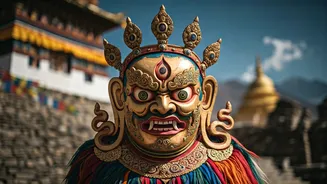
Ladakh's soul is deeply rooted in Tibetan Buddhism, and its landscape is dotted with centuries-old monasteries (gompas) that cling dramatically to cliffsides. Places like Thiksey, Hemis, and Diskit are not relics; they are vibrant centers of faith and learning. Visiting one is an immersive experience. You’ll walk through courtyards where young monks play, hear the low hum of chanting from a prayer hall, and see intricate murals depicting Buddhist deities. The scent of burning juniper incense fills the air, and the sight of colorful prayer flags fluttering against the stark mountains is an iconic symbol of the region’s enduring spirituality. This cultural fabric adds a layer of human warmth and ancient wisdom to the imposing natural scenery, offering a peace that is not just environmental but also spiritual.
The Journey Is the Destination
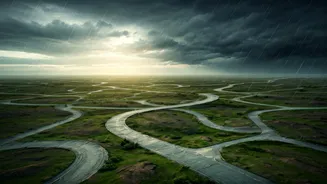
Getting around Ladakh is an adventure in itself. The region is famous for its high-altitude roads, including the legendary Khardung La, once billed as the world's highest motorable pass. Driving to the surreal, color-changing Pangong Lake—which stretches from India to Tibet—or the sand dunes of the Nubra Valley involves traversing switchbacks and mountain passes that offer breathtaking, and sometimes heart-stopping, views at every turn. These road trips are not just a means of getting from A to B; they are a core part of the Ladakhi experience. The slow, deliberate pace of travel forces you to absorb the scale of your surroundings and appreciate the remoteness of your location, reinforcing the feeling of having truly escaped the familiar world.
Practical Peace: Planning Your Trip
Dreaming of Ladakh is one thing; getting there requires careful planning. The most important factor is acclimatization. Arriving in Leh by air means landing at high altitude, and it is crucial to spend at least two full days resting and hydrating before undertaking any strenuous activity. Pushing yourself too soon can lead to serious altitude sickness. The main tourist season runs from June to September, when the high passes are open and the weather is most favorable. You can fly directly into Leh from major Indian cities like Delhi or embark on an epic multi-day road trip from Manali or Srinagar (check conditions beforehand). Booking drivers and guides through reputable local agencies in Leh is the most common way to explore the region’s remote valleys and monasteries.