






Lodi Garden: History Among the Flowers
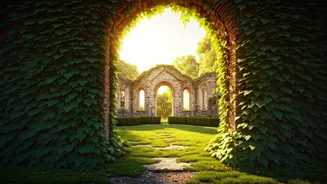
Lodi Garden is more than just a park; it's an open-air museum where history breathes alongside nature. As you meander its paths, you'll encounter the monumental tombs of Sayyid and Lodi dynasty rulers, 15th-century stone structures that stand in elegant
contrast to the manicured lawns and blooming bougainvillea. This isn't a stuffy, behind-the-ropes historical site. It's a living part of the city. Morning walkers trace the same routes as joggers in the evening, families picnic on the grass, and couples find quiet corners near the Athpula, a picturesque eight-piered bridge. A slow walk here is a conversation with centuries of Delhi's past, punctuated by the chirping of parakeets and the scent of fresh blossoms. It’s the perfect introduction to the city’s layered identity, showing how seamlessly the ancient and the modern coexist.
Sunder Nursery: A Restored Mughal Paradise
Adjacent to the famous Humayun’s Tomb, Sunder Nursery is a stunning success story of urban restoration. Once a neglected plot, this 90-acre heritage park has been meticulously brought back to life, earning a UNESCO Asia-Pacific Award for Cultural Heritage Conservation. The park is modeled after a traditional Mughal 'charbagh' (four-part garden) with flowing water channels, marble fountains, and geometric flowerbeds. It contains over 300 tree species and several beautifully restored 16th-century monuments. Walking here feels different—more curated, peaceful, and intentional. You can follow the central axis past the grand Sunderwala Burj tomb, explore the wildflower meadows, or simply sit by a lotus pond. It’s a testament to what’s possible when a city decides to invest in its green heritage, creating a tranquil sanctuary that feels worlds away from the urban hustle just outside its walls.
Hauz Khas Complex: Where Art and Nature Meet
For a walk that blends ancient history with contemporary cool, nothing beats the Hauz Khas Complex. The journey begins with a stroll through Hauz Khas Village, a trendy neighborhood packed with independent boutiques, art galleries, and rooftop cafes. But at the end of the lane, the city falls away, and you’re greeted by a stunning view of a vast lake and the hauntingly beautiful ruins of a 14th-century madrasa (Islamic seminary) and mosque. The surrounding area is a protected forest, crisscrossed with dusty trails that offer glimpses of peacocks and other birdlife. It’s a place of delightful contrasts: you can sit on the steps of a medieval tomb watching the sunset over the water, then walk two minutes for a craft coffee. A slow walk here is an exploration of Delhi’s chic, creative soul, where the past provides a dramatic backdrop for modern life.
Mehrauli Archaeological Park: A Sprawling Wilderness of Ruins
If Lodi Garden is a curated historical walk, Mehrauli Archaeological Park is a wild adventure. Spread over 200 acres, this is less a park and more a vast, semi-forested landscape littered with over 100 historically significant monuments and ruins, some dating back nearly a thousand years. There are no neat pathways here. You make your own, discovering forgotten tombs, crumbling stepwells, and remnants of ancient mosques as you go. The most famous ruins include the tombs of Balban and Quli Khan, and the peculiar Jamali Kamali Mosque, said to be haunted. Walking through Mehrauli feels like being an explorer, peeling back layers of time with every step. It’s rugged, untamed, and utterly captivating, offering a profound sense of discovery for those willing to wander off the beaten path.