







The Vibe Shift From Swipes to Strides
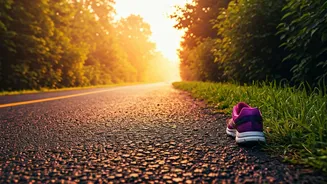
Forget the sterile, transactional nature of a dating profile. The new meet-cute is happening at 6 a.m., clad in performance fabrics and lit by the pre-dawn glow. Across cities like New York, Los Angeles, and Austin, social running clubs are experiencing
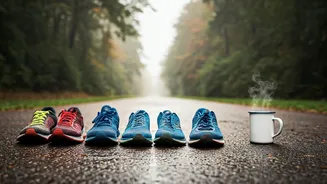
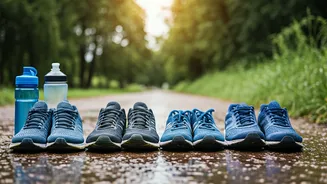
a massive surge in popularity, driven almost entirely by people in their twenties and early thirties. These aren't your dad's hyper-competitive marathon training groups. Clubs with names like Parrow, Nice Run, and Lento are built around a different ethos: community first, pace second. The uniform is less about high-tech gear and more about a certain effortless cool—think stylish sneakers, curated playlists, and an unspoken agreement that the post-run coffee is as important as the run itself. The pace is often conversational, a deliberate choice that transforms a grueling workout into a shared social experience. It’s a space where the pressure to perform, athletically or romantically, is noticeably absent, creating a fertile ground for genuine connections to form.
A Reaction to Dating App Fatigue
The comparison to Tinder isn't just a catchy headline; it speaks to a deep-seated exhaustion with the digital dating landscape. Gen Z, the first generation to grow up with smartphones as an extension of their hand, is ironically leading the charge back to analog connection. Years of swiping, ghosting, and crafting the “perfect” profile have led to widespread burnout. Dating apps, designed to be efficient, often feel like a second job—one filled with endless administration, misleading resumes, and disappointing interviews. A running club offers the complete opposite. It’s an organic, low-stakes environment to meet people. There are no preconceived notions based on a curated bio. Instead, you see how someone acts, how they encourage others, and if they share your willingness to show up for something challenging. This “vibe check” in real-time is something no algorithm can replicate. It filters for consistency, shared values (like a commitment to wellness), and the simple ability to hold a conversation while slightly out of breath.
The Rise of the 'Third Place'
Sociologists talk about “third places”—environments outside of home (the first place) and work (the second place) where community life unfolds. For decades, these were bars, churches, or community centers. But for a generation that drinks less, is increasingly secular, and often works remotely, those traditional spaces have lost their hold. The run club is emerging as a powerful, modern alternative. It provides structure, routine, and a built-in social network. Showing up week after week fosters a sense of belonging and accountability that’s hard to find elsewhere. It’s a place to be known. This search for community is arguably more important than the search for a date. While romances certainly blossom on the 5K route, the primary draw for many is the promise of friendship and a bulwark against the loneliness that studies show is prevalent among young adults.
More Than a Workout, It's an Identity
Joining one of these clubs is about more than just logging miles; it's an aesthetic and lifestyle choice. The social media feeds of these groups are less about race times and more about cinematic shots of diverse, attractive people enjoying a shared experience against a cityscape. It’s an identity marker. Being part of a run club signals that you are active, social, and dedicated—desirable traits in any relationship, platonic or romantic. It's a form of personal branding that feels more authentic than a carefully curated Instagram grid because it's rooted in a real, physical activity. You have to actually do the work. This fusion of wellness, social status, and community building makes the run club a uniquely powerful force in modern urban life, a place where self-improvement and social discovery happen in lockstep.