





The Rugged Icon: Ford Bronco
For three decades, the original Ford Bronco (1966-1996) was the quintessential American adventure vehicle. It was simple, boxy, and tough as nails—a two-door utility truck that felt more like a tool than a luxury item. Its appeal was in its pure, no-frills
capability, making it a beloved icon for off-roaders and anyone who appreciated its honest, utilitarian charm. When it was discontinued, it left a void that countless enthusiasts felt for over 20 years. Enter the new-generation Bronco, which roared back onto the scene in 2021. This wasn't just a name slapped on a generic SUV; it was a masterful resurrection. The designers painstakingly captured the spirit of the original, from the round headlights and flat grille to the removable doors and roof. Yet, beneath that retro skin lies a thoroughly modern machine. With advanced terrain management systems, a comfortable interior packed with tech, and safety features the original could only dream of, the new Bronco is the perfect fusion. It delivers the nostalgic aesthetic we crave with the performance and comfort we now expect.
The Muscle Car Reborn: Dodge Challenger
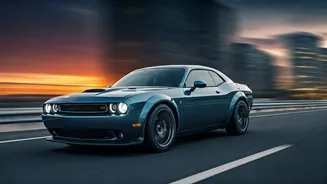
In the golden age of American muscle cars, the 1970 Dodge Challenger was a heavyweight contender. With its wide, aggressive stance, long hood, and an engine bay that could house the legendary 426 Hemi, it was pure, unapologetic power. The Challenger was all about straight-line speed and street-level intimidation. It was a symbol of an era when horsepower was king, but like many of its peers, it faded away as gas prices rose and regulations tightened. Fast forward to 2008. Dodge didn't just revive the Challenger; it cloned its classic DNA. While competitors opted for modern interpretations of their pony cars, Dodge went for a near-faithful recreation of the 1970 model's silhouette. The result was an instant hit. The new Challenger looks like it drove right out of the past, but it performs at a level that is light-years ahead. Today's SRT Hellcat and Demon variants produce horsepower figures that were once unthinkable for a street-legal production car. It maintains the classic muscle car formula—big engine, rear-wheel drive, and imposing presence—but with the reliability, safety, and creature comforts of a 21st-century vehicle. It’s a rolling testament to the idea that some looks never go out of style.
The Free Spirit, Electrified: VW Microbus
Few vehicles are as instantly recognizable or culturally significant as the Volkswagen Type 2, affectionately known as the Microbus. A symbol of 1960s counter-culture, road trips, and carefree living, its friendly face and van-life practicality made it a global icon. The simple, air-cooled engine in the rear was part of its charm, but it was the shape—the two-tone paint, the massive VW logo, and the barn-door utility—that cemented its place in our hearts. After decades of concepts and rumors, its spiritual successor has finally arrived in the form of the all-electric VW ID. Buzz. Launching in the U.S. soon, it brilliantly reinterprets the original for the electric age. The design is an unmistakable homage, featuring the iconic V-shaped front fascia and available two-tone color schemes. But this is no vintage throwback. The ID. Buzz is built on a state-of-the-art electric platform, offering a silent, smooth ride and a futuristic, screen-filled interior. It proves that a design rooted in freedom and fun can evolve, shedding its gas-powered past to become a symbol for a new, cleaner generation of adventurers.
Why We Love a Comeback Story
This trend is more than just a clever marketing gimmick. For consumers, these vehicles offer a comforting link to a perceived simpler time, wrapped in a package that’s safe and reliable. It’s the emotional satisfaction of nostalgia without any of the old-school compromises, like leaky seals or a lack of airbags. For automakers, it's a savvy business move. Reviving a beloved nameplate comes with built-in brand awareness and emotional goodwill—a far safer bet than launching an entirely new, unproven model into a crowded market. It’s a rare win-win, where corporate strategy and public desire align perfectly. These cars aren’t just selling transportation; they’re selling a feeling, a memory, and a story. And it's a story we're eager to buy into.