





Meet the Menu's Ghostwriter
When you see “NCR” in the headline, you might think of a government agency or a region. But in the restaurant world, NCR is a giant. It’s the company behind the point-of-sale (POS) systems—the cash registers, touch screens, and kitchen printers—used by
over 100,000 restaurants, from your local coffee shop to massive chains like Chick-fil-A. For decades, their job was simple: process orders and payments. But as digital menus, online ordering, and tableside tablets became common, NCR’s role evolved. They’re no longer just processing transactions; they’re shaping the entire dining experience before you even decide what to eat. Think of them as the ghostwriter for the menu, using data to suggest which characters should get the spotlight.
The Menu That Watches You Back
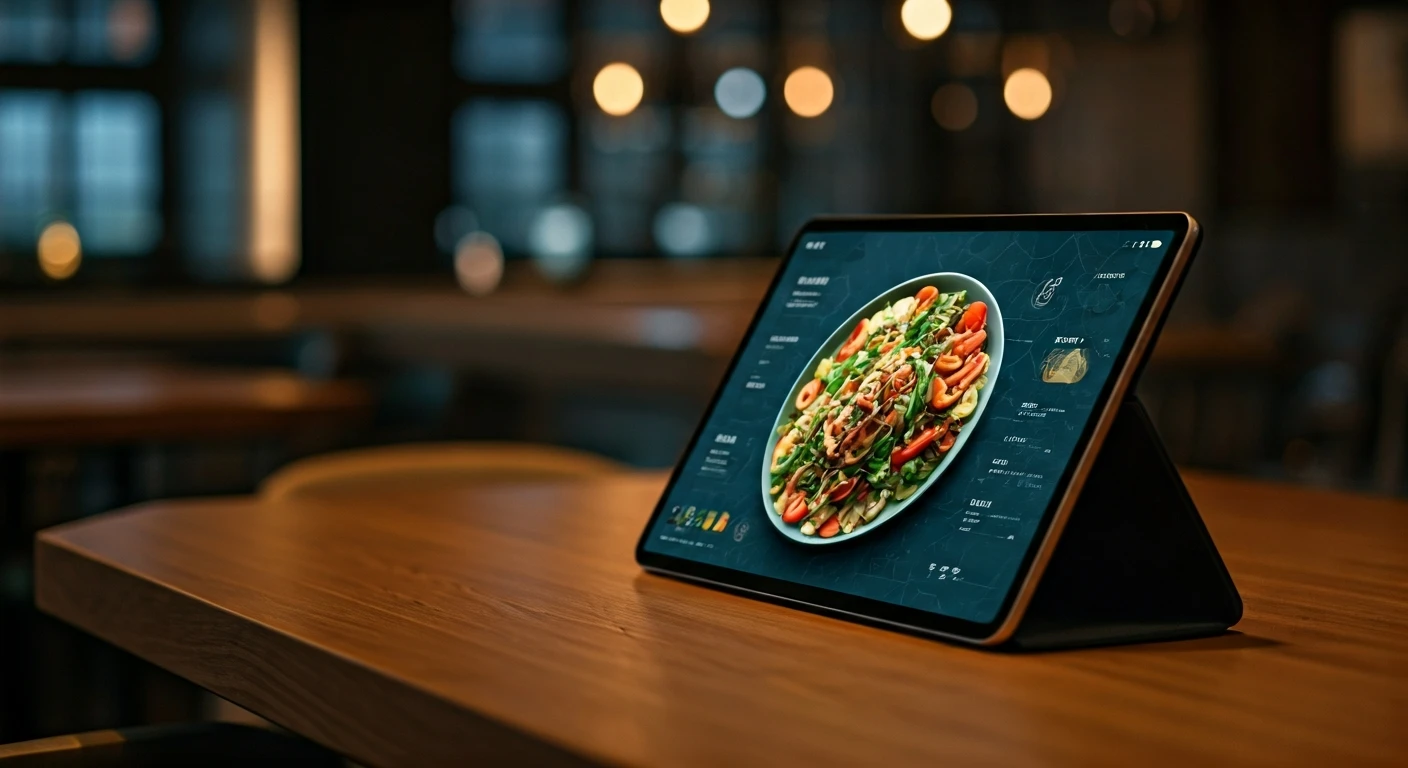
Modern POS systems from companies like NCR are powerful data-gathering machines. They don't just know *what* you ordered; they know *when* you ordered it, what you ordered with it, and how your choices compare to thousands of other diners. This data allows restaurants to create “dynamic menus” that change based on supply, demand, time of day, and even the weather. Is a particular vegan dish selling out by 7 p.m. every Friday? The system can automatically 86 it from the digital menu. Did a promotion on oat milk lattes lead to a spike in vegan pastry sales? The software logs that connection, allowing the restaurant to create a permanent combo deal. It’s the same logic Netflix uses to recommend your next binge-watch, but applied to your dinner. The menu is no longer a static, printed document; it’s a living, learning sales tool.
Breaking Out of the Veggie Corner
This data-driven approach is a game-changer for plant-based dining. Historically, vegetarian and vegan options were often relegated to a small, neglected corner of the menu—the so-called “veggie ghetto.” Chefs, assuming low demand, would create one or two uninspired but safe options. But NCR’s data analytics can shatter these assumptions. The system might reveal that a surprisingly high percentage of weekday lunch customers order the tofu wrap, encouraging the chef to add another, more adventurous vegan option. It can prove that highlighting a plant-based special on the main screen boosts its sales by 30%, moving it from a menu afterthought to a profitable star. By providing hard evidence of what customers actually want, this technology empowers restaurants to take more risks with their veg offerings. They can test a new jackfruit taco or a seitan-based special, knowing the system will give them immediate feedback on its success.
Your Own Personal Menu
The next step in this evolution is hyper-personalization. As restaurants build loyalty programs and encourage customers to order through their apps, they get to know your individual preferences. Imagine logging into a restaurant’s app and seeing a menu curated just for you. Because the system knows you’re a vegetarian, it might automatically hide all the meat dishes and surface the new vegan ramen special at the top of your screen. It might remember that you always order a side of fries and ask if you want to add them to your order with a single tap. This makes the dining experience less predictable in the best possible way. Instead of hunting for the one “V” symbol on the menu, you’re presented with a range of exciting possibilities tailored to your tastes. It’s a shift from a one-size-fits-all experience to a bespoke culinary journey, guided by an algorithm that knows your love for all things plant-based.