





1. The 'Skinification' of Your Scalp
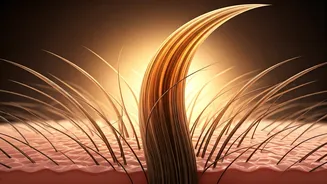
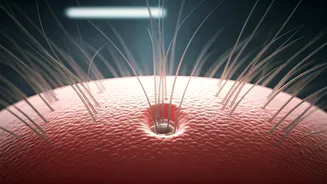
For years, haircare was all about the strands. Now, the focus is shifting northward to the scalp—and treating it with the same reverence as the skin on your face. Dermatologists have long known that a healthy scalp is the foundation for healthy hair,
and the consumer market is finally catching up. Expect to see an explosion of scalp serums, exfoliants, and masks formulated with active ingredients borrowed from skincare, like hyaluronic acid for hydration, salicylic acid for exfoliation and oil control, and peptides to support follicles. The medical logic is simple: a clean, balanced, and well-nourished scalp environment allows hair follicles to function at their best, potentially leading to stronger, fuller-looking hair and reducing issues like dandruff and irritation.
2. Regenerative Medicine Goes Mainstream
Previously confined to specialized clinics, regenerative treatments for hair loss are becoming increasingly accessible and talked about. The leading trend here is Platelet-Rich Plasma (PRP) therapy. This procedure involves drawing a small amount of your own blood, separating the platelets in a centrifuge, and injecting the concentrated, growth-factor-rich plasma back into the scalp. Doctors are using it to help stimulate dormant hair follicles and improve hair density for certain types of hair loss. Alongside PRP, Low-Level Laser Therapy (LLLT)—using red light devices in caps or combs—is gaining traction as a non-invasive, at-home option that studies suggest can stimulate cellular activity in the follicles and encourage growth.
3. A Deeper Focus on the Hair Growth Cycle
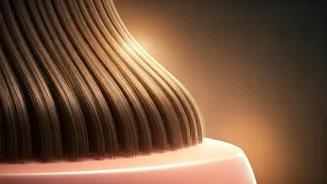
Instead of just coating the hair shaft to make it look better temporarily, the next generation of products aims to influence the hair growth cycle itself. This is a more sophisticated approach that doctors are welcoming. While topical minoxidil (the active ingredient in Rogaine) remains a gold-standard, FDA-approved treatment, brands are now incorporating other supportive ingredients into their formulas. You'll see more talk about peptides, which are chains of amino acids that can act as signaling molecules to support the scalp's natural protein production, and botanicals that may help reduce inflammation or counteract hormonal effects at the follicle level. This trend is about playing the long game—supporting healthy hair function over months, not just for a day.
4. Inside-Out Wellness for Hair
Dermatologists are increasingly the first to tell you that what you put in your body is as important as what you put on your hair. This holistic approach is moving beyond biotin gummies. Doctors are emphasizing the importance of a well-rounded diet rich in iron, vitamin D, zinc, and protein. They're also pointing to the profound impact of stress on hair health, particularly its link to telogen effluvium—a type of temporary shedding that can occur after a stressful event. As a result, hair wellness is becoming integrated with overall wellness, incorporating stress management techniques like mindfulness and ensuring proper nutrition as a first line of defense against hair issues. It’s less about a magic pill and more about building a lifestyle that supports healthy hair from within.
5. The Rise of Hyper-Personalization
The one-size-fits-all approach to hair loss and thinning is ending. Thanks to telehealth, it's never been easier to get a professional medical opinion on your hair. Doctors are seeing a surge in virtual consultations where they can diagnose conditions and prescribe custom-compounded topical formulas. These prescriptions can combine multiple proven ingredients—like minoxidil, finasteride (for men), and anti-inflammatory agents—into a single, targeted solution. This bespoke approach allows doctors to tailor treatment to an individual's specific type of hair loss, medical history, and lifestyle, significantly increasing the chances of success compared to just grabbing a product off the shelf.