






From 'Set-Jetting' to 'Book-Tripping'
We’ve all heard of “set-jetting”—flocking to the Croatian coastline of *Game of Thrones* or the grand estates of *Bridgerton*. But what’s emerging now is its more introspective cousin. Instead of chasing a visual, travelers are chasing a feeling, a narrative,
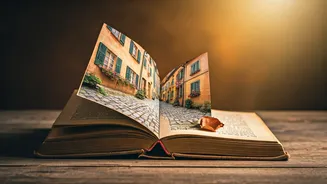
a mood woven through the pages of a beloved book. This isn’t about recreating a scene for social media; it’s about stepping into the world that a story created in your mind. It’s the difference between visiting a film set and making a pilgrimage. You’re not just seeing where a story was filmed; you’re walking the same cobblestones where a character felt heartbreak, or looking out at the same sea that inspired a novel’s most famous lines.
Why We Crave a Deeper Story
So, why now? The appeal is rooted in a desire for authenticity and connection. After years of curated, picture-perfect online lives, we’re hungry for something real. A book provides a ready-made emotional map for a destination. It gives us a lens through which to see a place, transforming a simple stroll through Paris into a journey with Hemingway’s moveable feast, or a walk on the Yorkshire moors into a haunting search for Heathcliff. This kind of travel fights the passivity of modern tourism. You aren’t just a consumer of sights; you are an active participant in a narrative, connecting the physical world to the rich landscape of your own imagination. It makes the foreign feel familiar and the familiar feel new again.
How to Plan Your Own Literary Escape
Getting started is simpler than you think. You don't need a specialized travel agent (though they exist!). The best literary journeys begin on your own bookshelf. Which stories have stayed with you? Which settings have you dreamed of visiting? Start there. If you love Elena Ferrante, build a trip around the complex, vibrant neighborhoods of Naples. If John Steinbeck’s work resonates, plan a road trip through Cannery Row in Monterey and the Salinas Valley. The next step is to build a location-specific reading list. Even if your trip isn't centered on one book, reading novels set in your destination can profoundly enrich the experience. Reading Graham Greene while in Vietnam or Gabriel García Márquez in Colombia adds layers of meaning to every street corner and conversation.
Finding Meaning Beyond the Landmark
A great literary trip isn’t just about ticking off famous locations. It’s about embracing the spirit of the book. This means slowing down. Find the café where the author wrote, but don’t just take a photo—order a coffee and spend an hour with a notebook. Wander the backstreets, not just the main attractions mentioned in the text. The goal is to capture the *feeling* of the book. Sometimes this means seeking out the quiet, the overlooked, and the mundane. The true magic happens when you find a place that wasn't in the guidebook, but feels like it was lifted directly from a page you’ve read a dozen times.
The Ultimate Souvenir: A New Perspective
Ultimately, the power of this travel style is that it changes you twice. First when you read the book, and second when you experience its setting. You return home not just with photos, but with a new understanding of a story you thought you knew. The book is no longer just words on a page; it’s a memory of a sun-drenched plaza, the smell of sea salt, or the chill of an ancient city at dusk. The place is no longer just a pin on a map; it’s imbued with the drama, romance, and humanity of a great narrative. You’ve physically walked through a story, and in doing so, you’ve added a new, deeply personal chapter to your own.