

The Perception: A Cuisine Built on Health
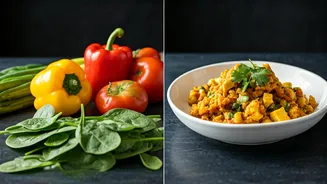
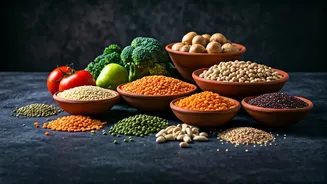
Let’s start with why we think of Indian food as healthy in the first place. The reputation is well-earned. Traditional Indian cooking is a masterclass in using powerful, anti-inflammatory spices like turmeric, ginger, cumin, and coriander. The foundation
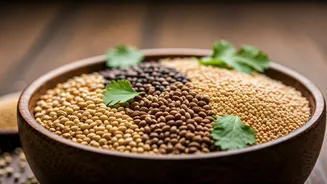
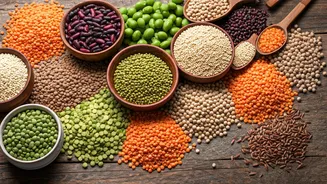
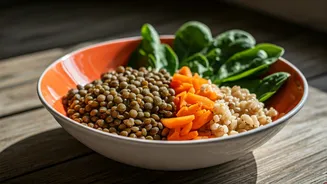
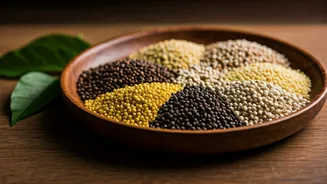
of many everyday meals is dal (lentils), sabzi (vegetable curries), and whole grains. It’s a cuisine rich in fiber, plant-based protein, and micronutrients. In its purest, home-cooked form, it’s one of the most balanced and nourishing ways to eat on the planet. This is the version of Indian food that rightfully earns its 'healthy' halo, rooted in Ayurvedic principles of balance and wellness.
The Reality: Restaurant Food Is Performance Art
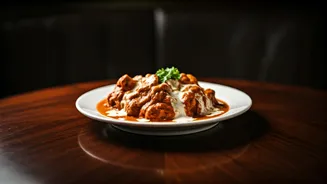
Here’s the turn. The food you get from your favorite local Indian spot is often a world away from a daily meal in a Mumbai high-rise or a Chennai home. Restaurant Indian food in the U.S. is largely based on rich, celebratory North Indian and Punjabi dishes. To make them irresistible, chefs do what any good chef does: they add fat and salt. That silky, addictive quality in your Chicken Tikka Masala or Paneer Makhani? That’s thanks to generous amounts of butter (makhan), ghee (clarified butter), and heavy cream. These ingredients are used sparingly in daily home cooking but are the backbone of the rich, 'restaurant-style' gravies we’ve come to crave. They’re designed for indulgence, not daily sustenance.
The Carb Problem: Naan and Rice
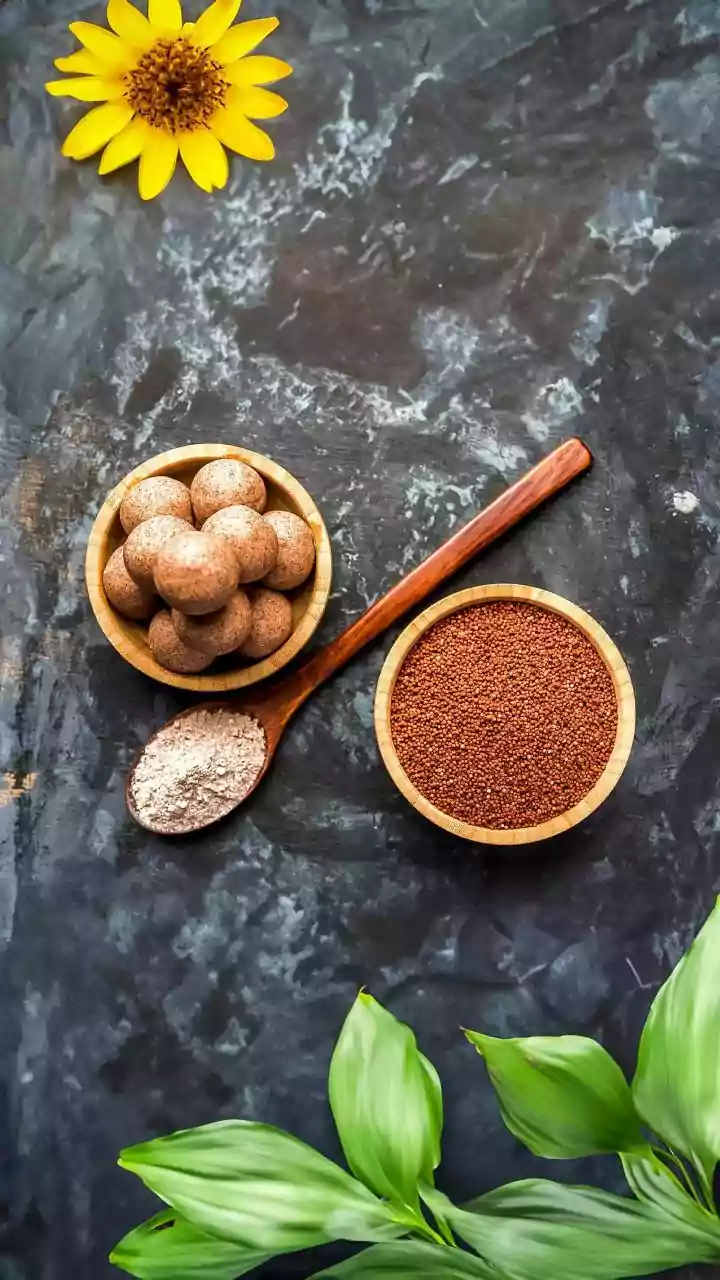
Next up is the carb-a-palooza. That fluffy, glistening, pillow-sized garlic naan is delicious because it’s made from refined white flour (maida), often enriched with yogurt or milk, and then brushed with a hefty dose of melted butter or ghee. It's the equivalent of eating a large piece of buttery white bread. At home, the daily bread is typically a simple, whole-wheat roti or chapati—smaller, denser, and far less decadent. Add to that the mountain of fluffy white basmati rice that accompanies every dish, and you have a massive, fast-digesting carb load that can spike your blood sugar and leave you feeling sleepy and unsatisfied an hour later.
The Appetizer Trap
Before your main course even arrives, you’ve likely already dived into the appetizer trap. Samosas, the crispy, potato-filled pyramids of joy, are deep-fried. So are pakoras (vegetable fritters) and bhajis (onion fritters). While delicious, they are essentially savory donuts. Starting your meal with a heavy dose of deep-fried starches and fats sets the stage for a calorie-dense experience, pushing your 'healthy' dinner firmly into 'cheat meal' territory before you’ve even touched the main course. These are treats, not health food, and they add up quickly.
How to Reclaim the Health
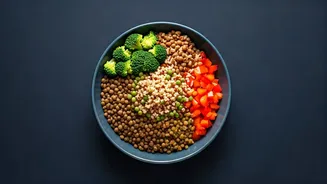
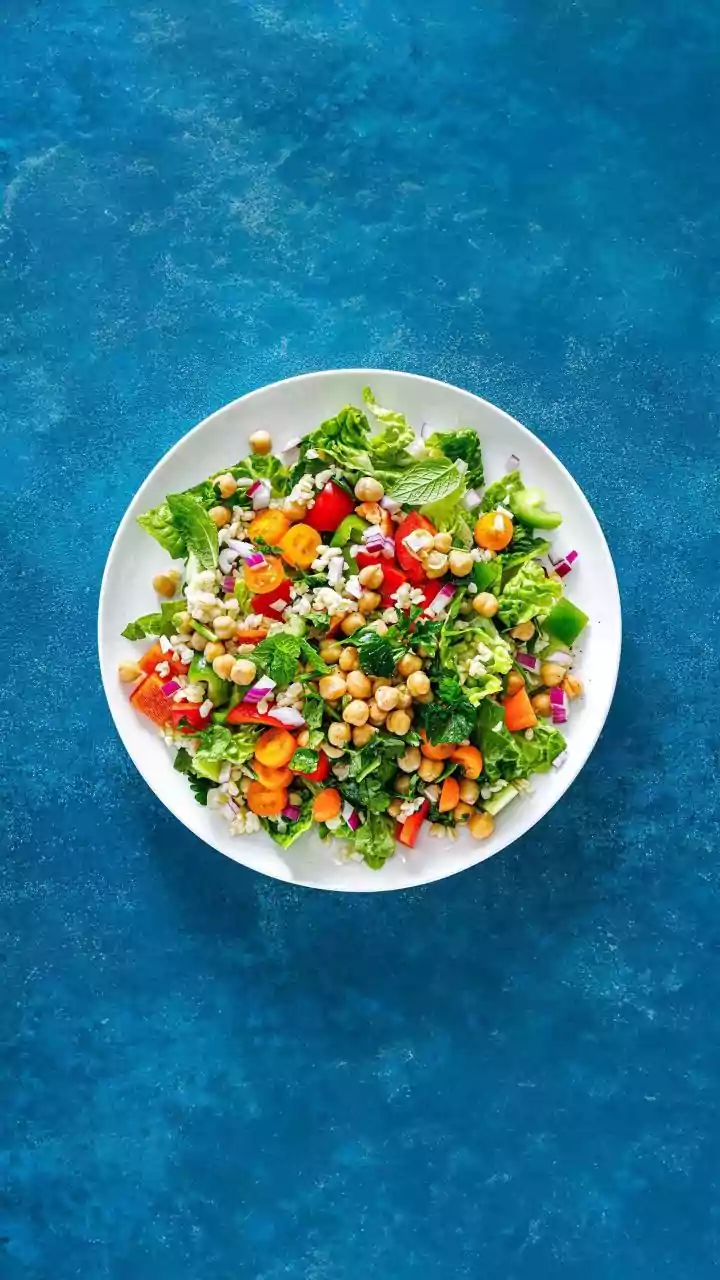
So, is it hopeless? Not at all. You just need to order smarter. Think of the menu as having two paths: the everyday path and the celebration path. For a healthier meal, skip the creamy, buttery curries and look for the tandoori section. Tandoori-style dishes feature chicken, fish, or paneer marinated in yogurt and spices and cooked in a clay oven—it's grilling, not frying in cream. Look for lentil-based dishes like Dal Tadka or Chana Masala (chickpeas), which are packed with fiber and protein. Ask for whole-wheat roti instead of naan, and treat rice as a small side, not the main event. By navigating the menu with this knowledge, you can get back to the healthy roots of this incredible cuisine.