





The Trend: Thinking Vertically
The secret revolutionizing small-space cultivation is vertical gardening. Instead of planting out, you plant up. This method uses walls, railings, and vertical structures to create a thriving garden where horizontal space is minimal or nonexistent. It’s
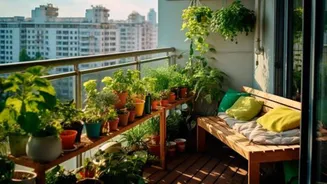
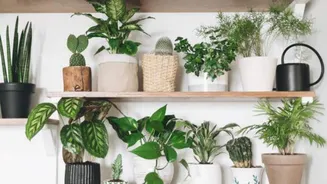
a philosophy that treats every square inch of unused vertical real estate—from a sunny patch of siding to an apartment balcony railing—as a potential garden bed. By utilizing stacked planters, wall-mounted pockets, tiered containers, or hanging systems, vertical gardening transforms a limitation into a creative opportunity, allowing for an abundance of plants in a footprint that might otherwise only hold a single pot.
Why It's a Tiny Home Game-Changer
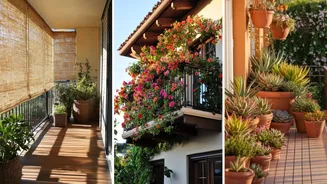
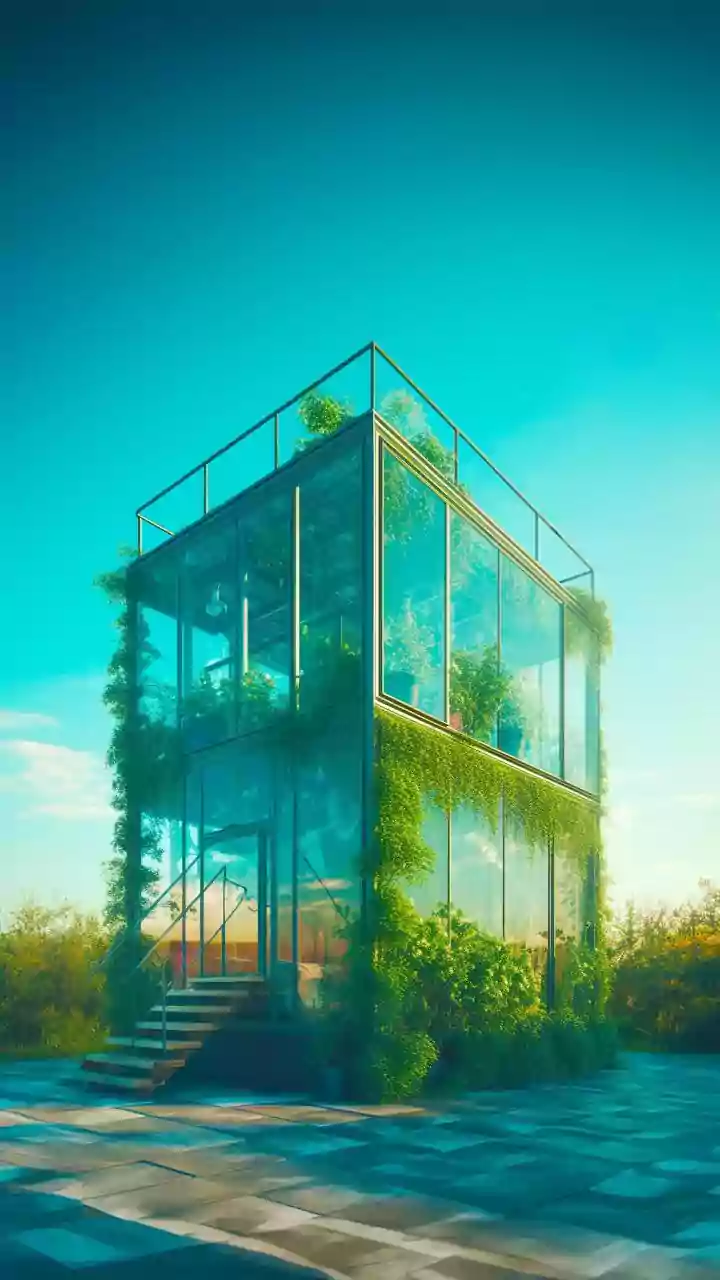
The synergy between tiny homes and vertical gardening is undeniable. First and foremost is the radical space efficiency. When your entire home might be under 400 square feet, dedicating ground space to a traditional garden is often impossible. Vertical systems allow you to cultivate a significant number of plants—for food, beauty, or both—without sacrificing a single inch of your precious patio or deck space. Beyond efficiency, this approach also improves accessibility. Harvesting herbs or watering lettuce can be done at waist or eye level, eliminating the need for bending and kneeling. Aesthetically, a 'living wall' can also add a stunning design element, turning a plain exterior into a vibrant, green feature that enhances curb appeal and provides a sense of natural tranquility.
Simple Ways to Get Started
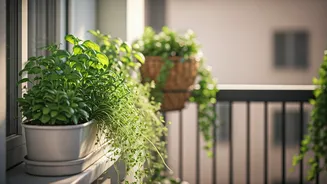
Getting into vertical gardening is surprisingly straightforward. For beginners, a tiered planter stand is a great entry point, allowing you to stack several pots on a stable, self-contained unit. Another popular DIY option is converting a wooden shipping pallet: stand it upright, staple landscape fabric to create pouches, fill with soil, and plant in the openings. For a more polished look, you can purchase modular wall-mounted pocket systems or self-watering tower gardens. Even simpler, a collection of hanging baskets suspended from an overhang can create a beautiful, cascading effect with flowers or trailing vegetables like cherry tomatoes and strawberries. The key is to assess your available vertical surface, consider its sun exposure, and choose a system that fits your budget and style.
Best Plants for Your Upward Garden
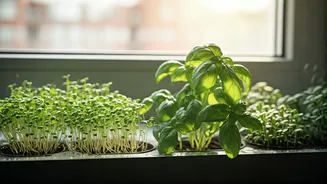
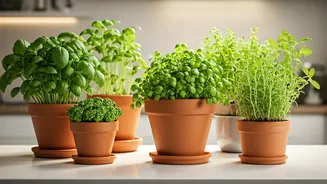
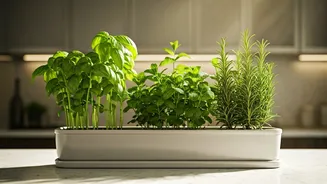
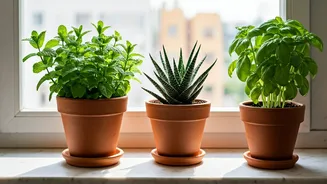
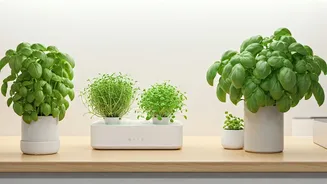
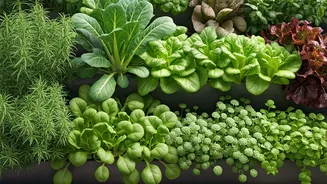
Not all plants are created equal when it comes to vertical living. The most successful choices have relatively small root systems and don't grow excessively large or heavy. Herbs are a perfect choice; basil, mint, parsley, thyme, and oregano thrive in the smaller soil pockets of vertical systems and provide fresh flavors right outside your kitchen. Leafy greens like loose-leaf lettuce, spinach, and arugula are also ideal, as they grow quickly and can be harvested continuously. For something sweeter, strawberries are a classic vertical garden plant, with their runners and fruit cascading beautifully. Certain flowers, such as petunias, impatiens, and begonias, also do exceptionally well, adding a splash of color to your compact home.