

First, An Introduction
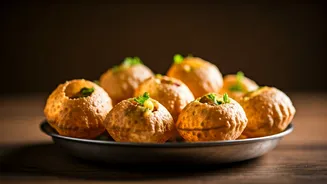
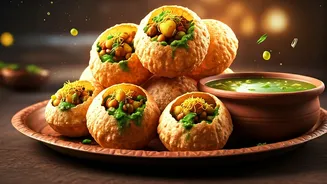
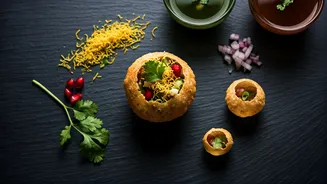
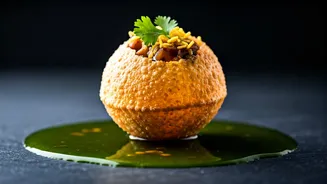
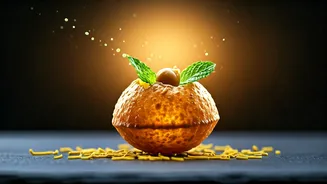
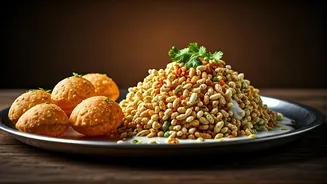
For the uninitiated, let’s break down this champion of Indian street food. Pani puri—also known as golgappe, phuchka, or patashi depending on the region of India—is a bite-sized flavor bomb. It consists of a few key components. First, the ‘puri’: a small,
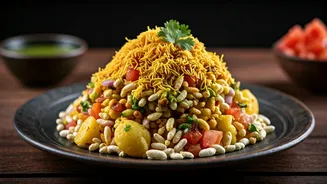
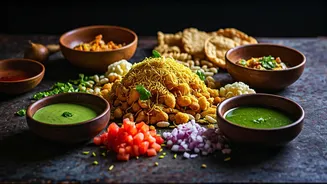
hollow, and incredibly crispy sphere made from semolina or wheat flour, fried until it puffs up like a tiny, fragile globe. This delicate shell is the vessel. It’s then partially filled with a savory mixture, typically including spiced mashed potatoes, chickpeas, onions, and sometimes sprouted lentils. But the magic, the soul of the dish, is the ‘pani’ (which literally means water). This isn't just any water; it's a zesty, herbaceous liquid infused with tamarind, mint, cilantro, ginger, and a secret blend of spices that varies from vendor to vendor. It’s tangy, spicy, a little sweet, and utterly refreshing.
A Symphony in One Bite
To describe pani puri as just a snack is like calling a supernova just a flicker. The experience is everything. A proper pani puri must be eaten in one go. You pop the entire sphere into your mouth, and what follows is a sequence of pure sensory delight. First, there's the satisfying CRUNCH of the puri shattering against your palate. It’s an auditory and textural cue that the show is starting. Immediately after, the shell gives way, releasing a cool, exhilarating rush of the spicy, tangy pani. The liquid floods your mouth, mingling with the warm, soft, and savory filling. You get a symphony of contrasts in a single, fleeting moment: hot and cold, crispy and soft, spicy and sweet, tangy and savory. It’s a complete narrative arc of flavor and texture that begins and ends in about three seconds. It’s impossible to be bored while eating one.
More Than Just a Snack
In India, pani puri is rarely a solitary affair. It’s a communal ritual, a social lubricant, and the centerpiece of countless after-school or post-work gatherings. You don’t typically buy a box to take home; you stand at the vendor’s stall, often shoulder-to-shoulder with friends or strangers. The vendor, a master of speed and precision, assembles each puri one by one, handing them to you in a small leaf bowl or directly onto your plate. You eat it, nod for the next, and the cycle continues until you’re satisfyingly full. This interactive process—the quick banter with the vendor, the shared experience of chasing that perfect bite—is integral to its charm. It forces you to be present. You can't scroll through your phone while trying to catch a pani-filled orb. It's a forced moment of mindfulness, a delicious escape from digital distraction.
The Art of the Eat
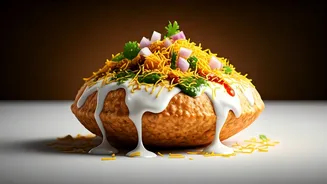
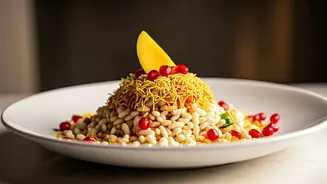
If you're a first-timer, there's a slight learning curve, but the rules are simple. First and foremost, do not try to take a polite little bite. This will only result in a cascade of spicy water and potato filling down your chin and shirt. Confidence is key. Open wide and commit. The whole puri goes in at once. Second, don't wait. The pani begins to soften the puri from the moment it’s served, so its crispiness is on a timer. Eat it immediately to get that signature crunch. Most vendors will serve you a sequence of spicy puris and then, as a finale, offer a ‘sukha puri’—a dry one filled with the savory mix but no pani, often sprinkled with crunchy sev (fried chickpea flour noodles). It’s a perfect, savory conclusion to the spicy, liquid journey you’ve just been on. It’s the closing credits to your flavor movie.