



Beyond the Scale
Step away from the scale. Unfollow the crash diet influencer. The conversation around food and health is undergoing a quiet revolution. Instead of focusing solely on weight or restricting entire food groups, the new priority is cultivating a healthy internal
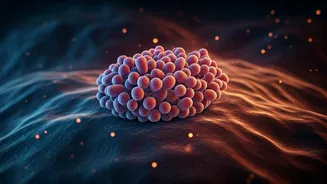
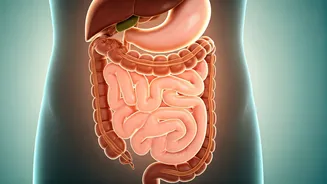
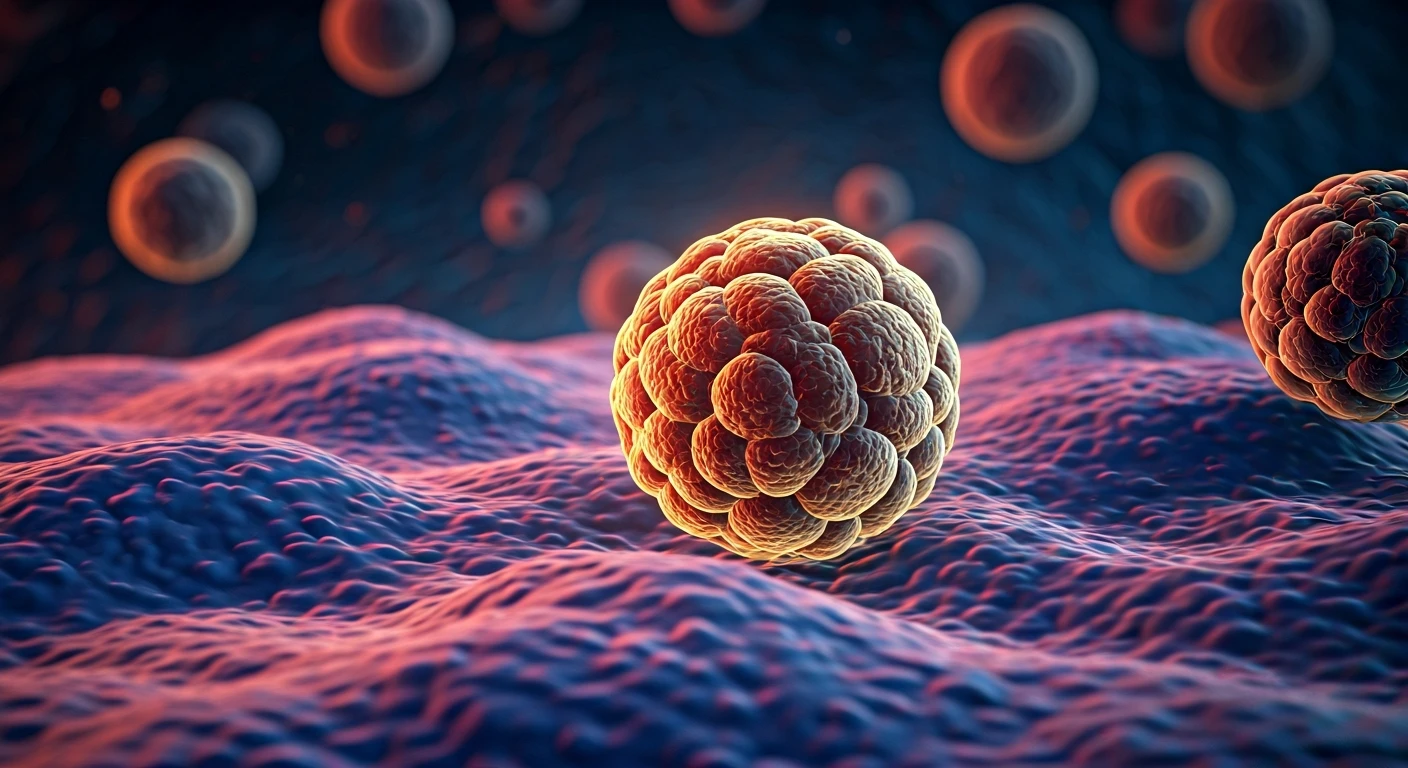
ecosystem. We’re talking about the trillions of microorganisms—bacteria, fungi, and viruses—living in your digestive tract, collectively known as the gut microbiome. Think of it less as a diet and more as internal gardening. Scientists are increasingly linking the health of this microscopic community to nearly every aspect of our well-being, from digestion and immunity to mood and even chronic disease risk. This shift redefines 'healthy eating' not as an act of deprivation, but as an act of nourishment for the complex world inside you.
Your Gut as a Garden
So, what exactly is the gut microbiome? The easiest way to think about it is like a complex garden. In a thriving garden, you have a wide variety of plants, flowers, and helpful insects that work together, keeping weeds and pests in check. Your gut is similar. A balanced microbiome has a diverse population of 'good' bacteria that help digest food, produce essential vitamins, and regulate your immune system. An 'unbalanced' gut, a state known as dysbiosis, is like a garden overrun with weeds. A lack of diversity or an overgrowth of 'bad' bacteria can crowd out the beneficial ones. This can happen due to a poor diet, stress, a lack of sleep, or antibiotic use. This imbalance isn't just about occasional bloating; it can lead to chronic inflammation and a host of other issues throughout the body.
How to Feed Your Good Bacteria
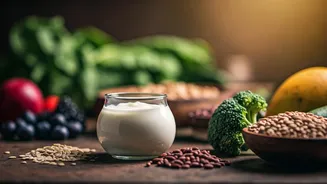
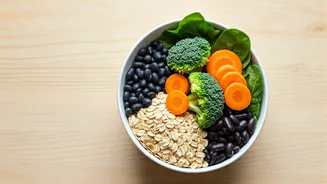
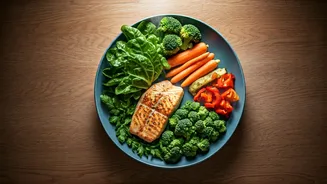
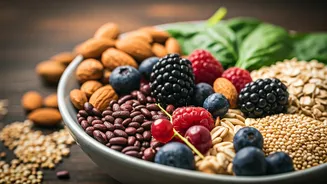
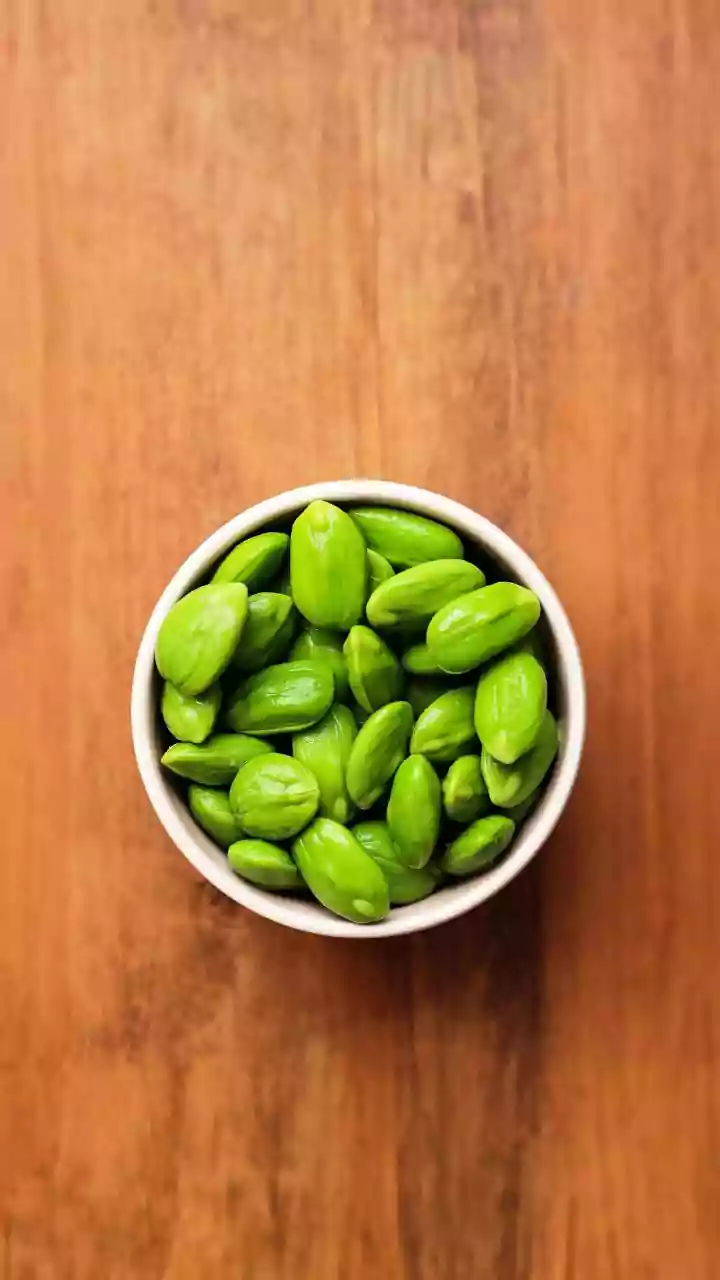
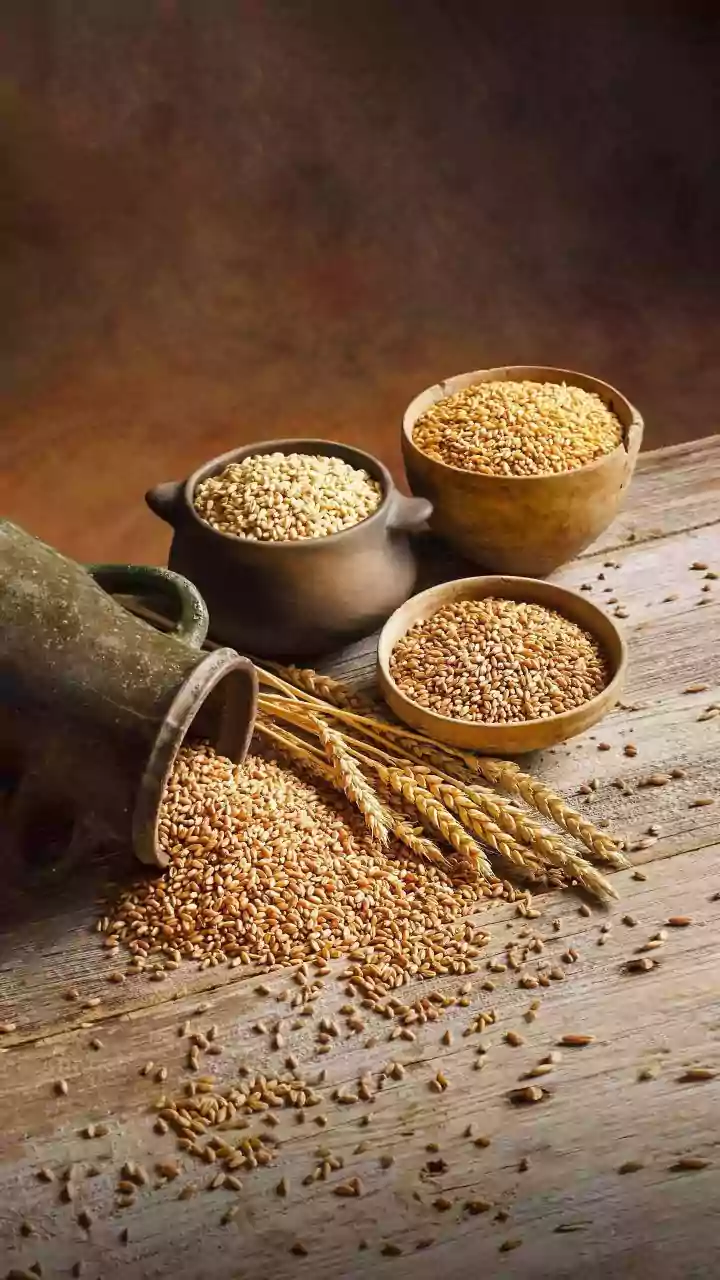
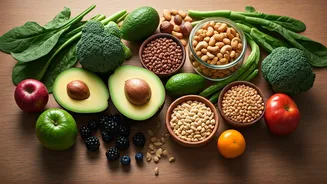
If you want to tend to your internal garden, you need the right tools. Luckily, they're found in the grocery aisle, not the pharmacy. The key is focusing on two types of foods: prebiotics and probiotics. Probiotics are the 'seeds'—live beneficial bacteria found in fermented foods. Think yogurt with live cultures, kefir, kimchi, sauerkraut, kombucha, and miso. Incorporating these into your diet helps introduce good bacteria directly into your system. But those seeds need fertilizer to grow, and that’s where prebiotics come in. Prebiotics are types of dietary fiber that your body can't digest, but your good gut bacteria love to eat. You can find them in a wide variety of plant foods, including onions, garlic, bananas, asparagus, oats, apples, and beans. The goal isn't to obsess over one 'superfood,' but to eat a wide variety of plants to foster a diverse and resilient microbiome.
It's a Lifestyle, Not a 30-Day Fix
Here's the most important difference between focusing on gut balance and traditional dieting: it’s not a temporary fix. A 'gut-friendly' diet isn't about hitting a target weight for a wedding or a vacation. It’s a sustainable, long-term approach to eating that prioritizes feeling good and supporting your body's natural functions. Unlike restrictive diets that often lead to a yo-yo cycle of weight loss and gain, focusing on gut health encourages abundance and variety. There's no 'cheating,' only choices that either feed your beneficial microbes or don't. This mindset shift is liberating. It moves the goalposts from a number on the scale to internal signals like better energy, smoother digestion, and a stronger immune system—metrics that reflect genuine well-being.