




Beyond the Samosa and Saag Paneer
For decades, the American understanding of Indian cuisine has been shaped by a handful of admittedly delicious but often heavy dishes—creamy chicken tikka masala, deep-fried samosas, and decadent saag paneer. This North Indian, restaurant-style fare became
the default, creating a perception that Indian food is a special-occasion indulgence rather than everyday fuel. But this view barely scratches the surface of a subcontinent’s worth of culinary diversity. Now, a new generation of chefs across the United States is pushing back against that stereotype. They are championing a “smart upgrade” that redefines Indian food as vibrant, nuanced, and surprisingly light by looking to the past for inspiration.
The Ancient Grains Revival
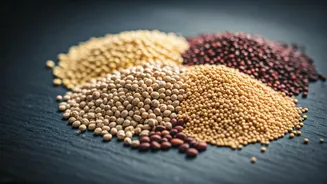
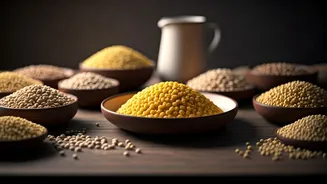
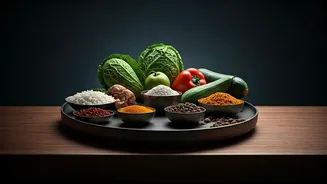
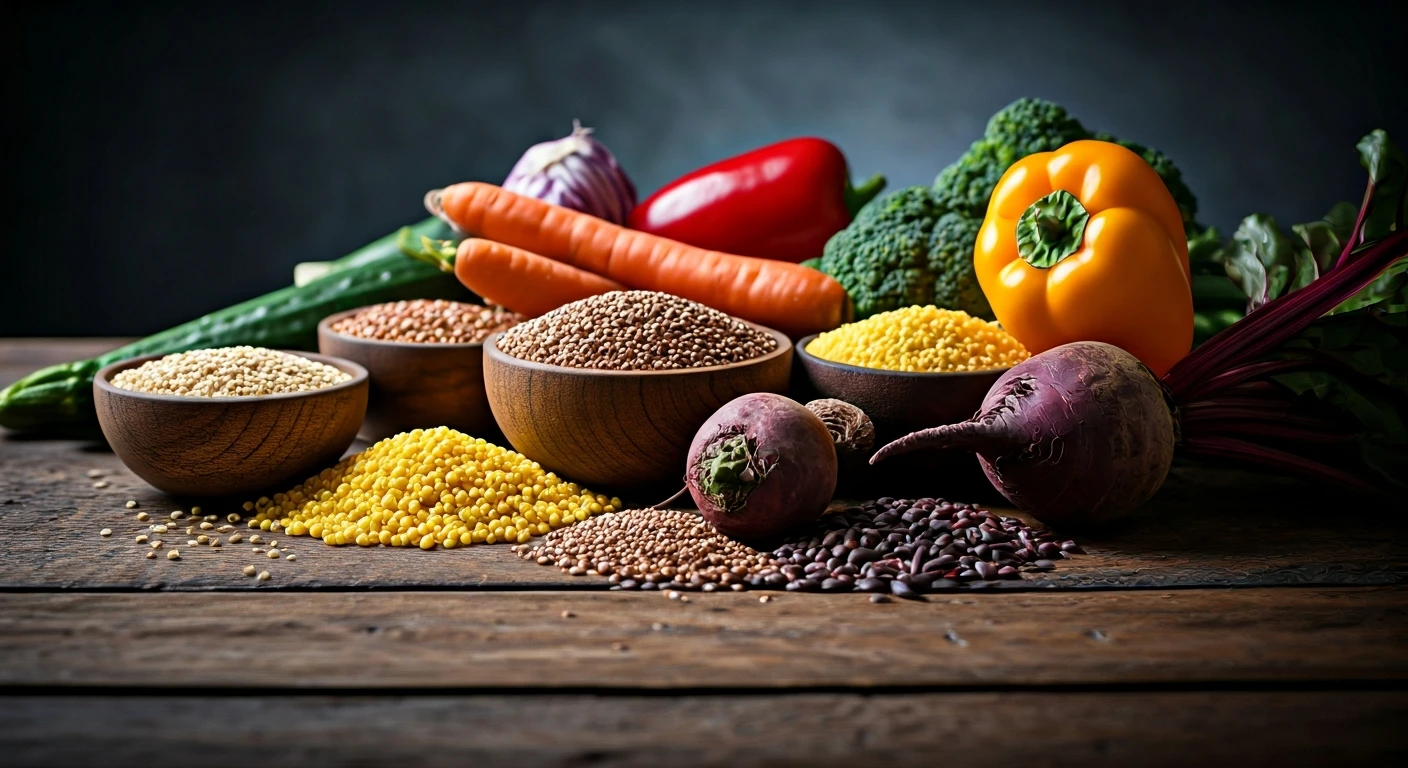
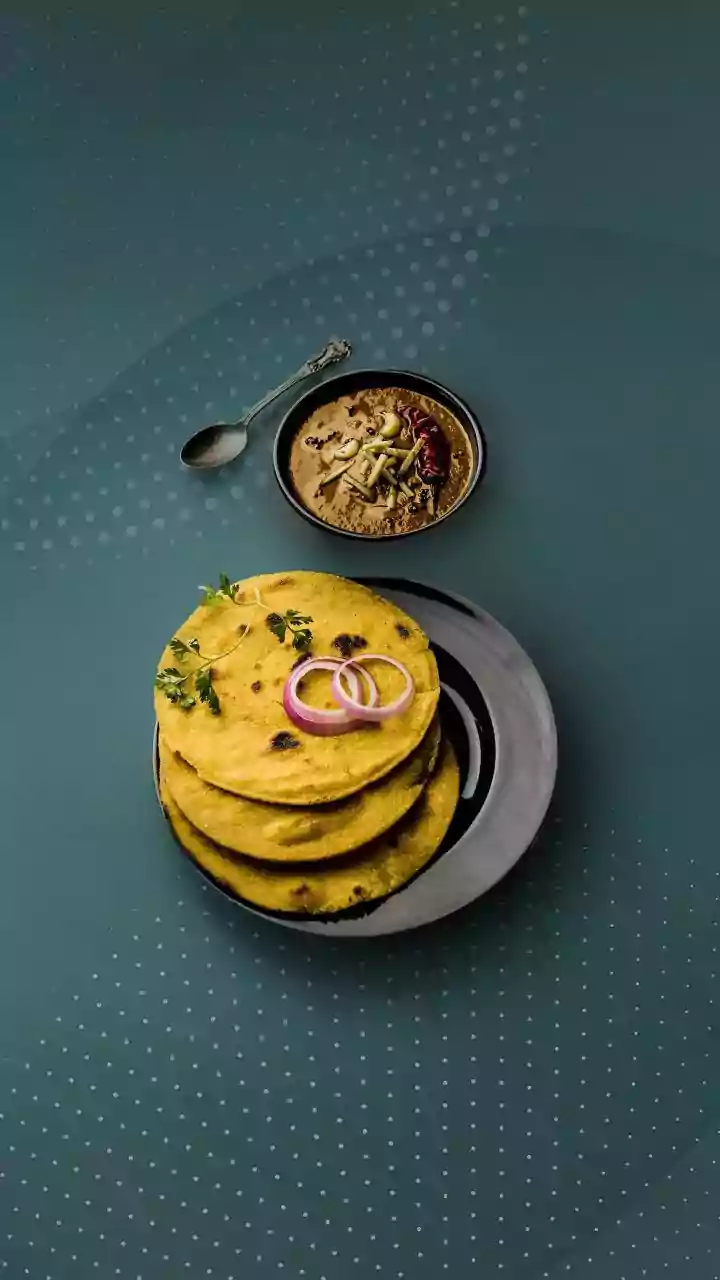
The secret to this upgrade isn't a futuristic food lab—it's the humble, high-fiber ingredients that have sustained India for millennia. Chefs are digging into the country's agricultural pantry, bypassing refined white flour and rice in favor of ancient grains. We're talking about millets like ragi (finger millet) and jowar (sorghum), as well as buckwheat (kuttu) and amaranth. These aren't just gluten-free alternatives; they are nutritional powerhouses packed with fiber, protein, and minerals. In home kitchens across India, these grains form the backbone of daily meals in rustic flatbreads (rotis), porridges, and savory pancakes. By bringing them to the forefront on American menus, chefs are offering a taste of authentic Indian home cooking that happens to align perfectly with modern wellness trends. A dosa made from a blend of millets is crispier and more complex than its rice-based cousin, and it won’t send you into a food coma.
Chefs Leading the Charge
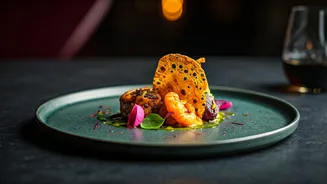
This movement is most visible in the kitchens of innovative restaurants. At critically acclaimed spots like New York City's Dhamaka, chef Chintan Pandya presents “the other side of India”—hyper-regional dishes that prioritize rustic textures and bold, un-Anglicized flavors. You won't find generic curry; instead, you might see a dish built around goat brains or a stir-fry using foraged greens. While not exclusively a “health” restaurant, the philosophy is similar: authenticity over accommodation. Across the country, other chefs are creating menus where vegetables and grains are the stars, not the sidekicks. They're swapping potatoes for seasonal squashes, using lentil-based batters for crispy coatings instead of refined flour, and showcasing the incredible variety of Indian breads made from whole grains. The result is food that feels both revelatory and deeply traditional.
More Than Just a Diet Trend
It’s easy to dismiss this as another health-conscious fad, but that would miss the point. This focus on fibre is about more than just good digestion. It’s a culinary statement about authenticity, sustainability, and reclaiming a narrative. For years, Indian cuisine was simplified for the Western palate. This new wave is about complexity. The use of diverse grains and seasonal vegetables reflects a more accurate, regionally specific approach to cooking. It’s a return to the true “fibre” of the cuisine—its texture, its history, and its deep connection to the land. This shift recognizes that what is often healthiest is also what is most traditional. It’s a celebration of the peasant-food wisdom that has always known that a simple meal of millet bread and lentils is more nourishing and satisfying than a heavy, cream-laden feast.