






The Psychology of the Alert Trap
The problem isn’t the rain itself; it’s the constant, hyper-specific alerts about it. A decade ago, you might have glanced at the weekly forecast, hoped for the best, and packed a poncho. Today, weather apps deliver minute-by-minute predictions that create
a sense of impending doom. A forecast for “afternoon thunderstorms” can sour an entire day trip before it begins, even if the storm only lasts 20 minutes or misses your specific location entirely. This creates a painful psychological and financial dilemma. You’re faced with a choice: risk wasting your time and getting soaked, or stay home and forfeit the money you spent on that non-refundable hotel room, concert ticket, or theme park pass. The booking was cheap because you accepted the risk of not being able to cancel. But technology has made us more aware, and therefore more anxious, about that risk than ever before. The deal you made was with the vendor, but the new fight is with the certainty-of-doom notification in your pocket.
Why 'Non-Refundable' Is So Strict
From a business perspective, the non-refundable rate isn’t a trap; it’s a tool for managing inventory and revenue. Hotels, airlines, and event organizers operate on thin margins. An empty room or an unsold seat is lost revenue that can never be recovered. By offering a discounted, non-refundable rate, they secure your payment upfront. This guaranteed income allows them to offer lower prices, knowing they won't lose money to last-minute cancellations. When you book one of these deals, you are essentially entering into a partnership: you get a lower price, and they get a guaranteed sale. The terms are rigid because the business model depends on it. A simple forecast of rain, which doesn't legally prevent them from providing the service, doesn't meet the high bar for exceptions, which are typically reserved for verifiable emergencies or extreme weather events like a named hurricane that forces closures.
Read the Forecast, Not Just the Alert
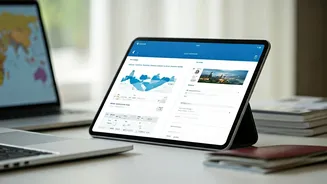
Part of escaping the trap is becoming a smarter weather consumer. A push notification that screams “80% CHANCE OF RAIN” is designed for impact, not nuance. That percentage doesn't mean it will rain for 80% of the day. In meteorological terms, it typically means that in 8 out of 10 similar atmospheric scenarios, rain occurred somewhere in the forecast area. It could mean a five-minute downpour over one part of town. Instead of reacting to the alert, open the app. Look at the hourly forecast. Is the rain predicted for 3 p.m. or all day long? Is it a light drizzle or a severe thunderstorm with lightning? This deeper look often reveals a much more manageable situation. A rainy morning might clear up for a beautiful afternoon, or a predicted storm might be brief enough to wait out in a coffee shop. Don't let a single, dramatic notification dictate your entire day’s plans and budget.
Strategies to Protect Your Purchase
You aren't powerless. The best way to avoid the non-refundable trap is with proactive planning. First, do the mental math before you book. Is saving $40 on a hotel room worth the risk of losing the full $250 if a storm washes out your beach weekend? For bigger-ticket items or longer trips, the flexibility of a refundable rate is often worth the premium. Second, consider travel insurance—specifically a “Cancel For Any Reason” (CFAR) policy. Standard insurance won’t cover a change of plans due to a bad forecast. CFAR lets you cancel for literally any reason, but be aware: it’s more expensive and typically only reimburses 50-75% of your non-refundable costs. It’s an emergency brake, not a full refund button. Finally, never underestimate the power of a polite phone call. If your plans are truly ruined by weather, call the hotel or vendor directly. Explain the situation calmly. While their policy says “no refunds,” a front desk manager might have the discretion to offer you a credit for a future stay, especially if you’re a loyalty member. It’s not a guarantee, but it’s always worth asking.