



The Inflation-Busting Garden
Let’s start with the most obvious driver: your wallet. With grocery prices remaining stubbornly high, the idea of growing your own food has shifted from a quaint hobby to a savvy financial move. A single packet of lettuce seeds, costing a few dollars,
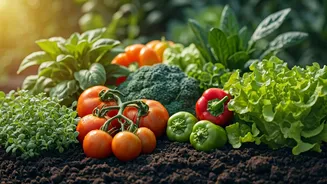
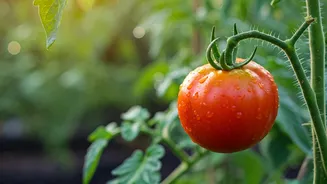
can produce salads for an entire season, saving a family hundreds. A well-tended tomato plant can yield 10-20 pounds of fruit, making the initial investment in soil and a seedling seem trivial. This isn't just about supplementing your shopping; for many, it's a tangible way to hedge against food inflation, turning a patch of dirt into a productive, cost-saving asset.
The Quest for Peak Flavor
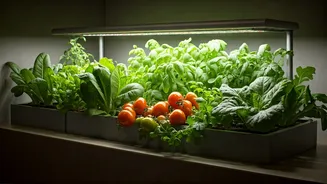
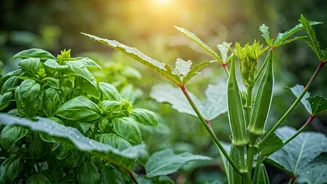
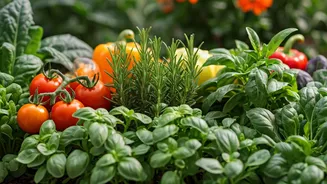
If you’ve ever tasted a tomato picked warm from the vine and eaten moments later, you understand. There is simply no comparison to its distant cousin from the supermarket, which was likely picked green and bred for durability, not taste. This pursuit of flavor is a massive force behind the home crop boom. Growing your own herbs, like basil or mint, means you have access to aromatics that are worlds away from the sad, plastic-packaged versions at the store. Home gardeners are rediscovering what chefs have always known: the freshest ingredients make the best food. This trend is about reclaiming control over the quality and taste of what we eat, one backyard at a time.
A Dose of Post-Pandemic Zen
The lockdowns of 2020 sent millions of Americans into their gardens searching for a screen-free, soul-soothing activity. That habit stuck. Gardening offers a powerful antidote to the anxieties of modern life. It’s a meditative practice that connects you to the rhythms of nature, forcing a slower, more deliberate pace. The simple act of watering plants, weeding a bed, or watching a seedling sprout can be a profound source of calm and accomplishment. In a world of digital noise, the garden has become a sanctuary—a place for mental-health maintenance where the only notifications are a new bloom or a ripening strawberry.
The Rise of “Edible Landscaping”
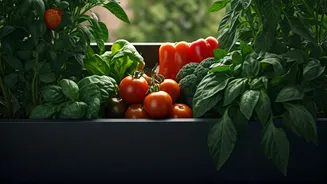
For a long time, the choice was between a yard that was beautiful and a yard that was productive. That's no longer the case. The concept of “edible landscaping,” or “foodscaping,” is erasing that false dichotomy. Why plant a purely ornamental bush when you can plant a blueberry bush that offers beautiful spring flowers, delicious summer fruit, and stunning fall foliage? Modern gardeners are using rainbow chard with its bright, colorful stems as a border plant, or letting artichokes with their striking, thistle-like flowers become architectural centerpieces. This approach treats the entire yard as a potential source of both beauty and sustenance, proving that practical can also be gorgeous.
Sustainability in Your Own Backyard
Concerns about the environmental impact of our food system are also driving people to get their hands dirty. The average food item in the U.S. travels about 1,500 miles to get to your plate. Growing your own food, even a small amount, dramatically shrinks that carbon footprint. It eliminates the need for plastic packaging, reduces food waste (you pick what you need), and gives you complete control over whether pesticides or synthetic fertilizers are used. It’s a small-scale, deeply personal form of activism that connects homeowners directly to the food chain and empowers them to make more sustainable choices.