



The 'Skinification' of Hair is Here
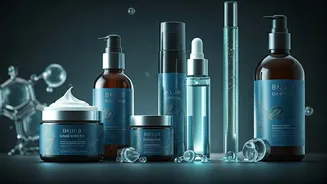
Welcome to the era of 'skinification,' the biggest shift in haircare in a generation. The core idea is simple: treat the hair and scalp with the same targeted, science-backed approach we've been applying to our skin for years. For decades, haircare was
about surface-level fixes—coating strands with silicones to make them feel smooth or using harsh sulfates to get that satisfying, squeaky-clean lather. But today’s consumer is different. Educated by TikTok dermatologists and armed with an ingredient glossary in their back pocket, they’re demanding more. This ingredient boom isn’t just a marketing ploy; it’s a response to a smarter, more curious customer. We learned that a healthy skin barrier is crucial, and now we're understanding the same logic applies to our scalp and hair cuticles. Brands have taken notice, moving from vague promises like 'for damaged hair' to specific, verifiable claims like 'formulated with 2% hyaluronic acid for hydration.' It’s a fundamental change from masking problems to trying to solve them at a molecular level.
Meet the Hydration Heroes
If you’ve ever used a plumping facial serum, you know hyaluronic acid (HA). This molecule is a humectant, meaning it draws moisture from the environment, and it can famously hold up to 1,000 times its weight in water. When applied to hair, it does something similar. Instead of just coating the hair, HA penetrates the strand and helps it attract and retain moisture. The result is hair that feels more flexible, less brittle, and has a smoother, less frizzy appearance. Similarly, ceramides—lipids that are essential to your skin’s barrier—are now being used in conditioners and masks. They work to fill in the cracks in the hair cuticle, locking in moisture and reinforcing the hair’s natural defenses against damage.
The Repair and Rebuild Crew
Perhaps the most game-changing development has been in the world of repair. The conversation started with bond-building treatments, which work inside the hair shaft to repair the broken disulfide bonds that result from coloring, heat styling, and chemical treatments. What was once a niche, salon-only technology is now a mainstream category, with countless brands offering their own take on molecular repair. Alongside bond-builders are other powerful restorative ingredients borrowed from skincare. Peptides, which are short chains of amino acids, act as signaling molecules that can encourage collagen production in skin. In hair, they’re used as building blocks to fortify the protein structure of the strand, making it stronger and more resilient. Niacinamide (Vitamin B3), a skincare superstar known for calming inflammation and improving barrier function, is also finding its place. In haircare, it’s praised for its ability to support protein synthesis (keratin is a protein, after all) and improve overall hair texture and shine.
Scalp Care Is the New Skincare
The final frontier of skinification is the scalp. For too long, the skin on our heads was an afterthought, often punished with drying shampoos or clogged with product buildup. The new philosophy is that a healthy scalp is the foundation for healthy hair growth. You can’t grow a beautiful garden in poor soil, right? This has led to an explosion of scalp-focused products that look like they belong in a facialist’s office. We’re seeing scalp serums with antioxidants, pre-shampoo treatments with exfoliating acids like salicylic and glycolic acid to dissolve oil and dead skin cells, and micellar water-based rinses that gently purify without stripping. It’s a recognition that scalp issues like dandruff, oiliness, and irritation are skin issues, and they deserve sophisticated, targeted solutions.