





More Than Just a Concert
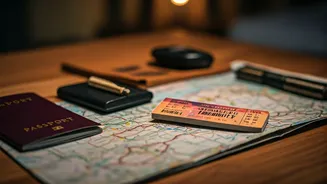
First, let's define the terms. We’re not talking about driving 45 minutes to the next town over. We’re talking about planning an entire multi-day trip—flights, hotels, and a new city to explore—all centered around a three-hour musical performance. This
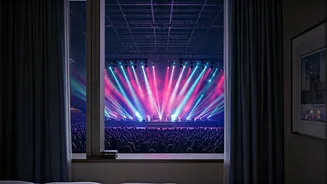
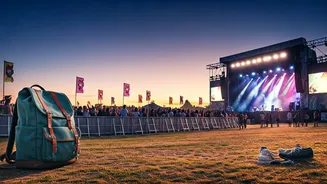
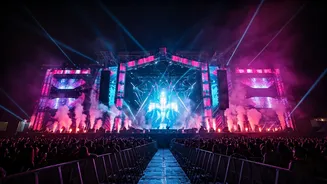
is “music tourism” or “gig-tripping,” and it has become a defining cultural and economic force, supercharged by post-pandemic enthusiasm and blockbuster tours from artists like Taylor Swift and Beyoncé. What was once a niche activity for superfans has gone mainstream. Instead of a keychain from Paris or a t-shirt from Cancún, the new travel souvenir is a grainy video of your favorite artist singing that one deep cut, taken from section 342 in a stadium halfway across the country.
The Experience Economy on Steroids
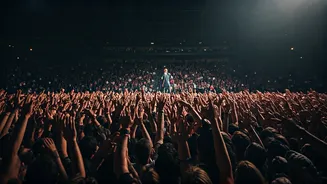
For years, analysts have noted that millennials and Gen Z prefer spending money on experiences rather than material goods. The concert trip is this principle on steroids. It combines the thrill of travel and exploration with the intense emotional payoff of live music. After years of lockdown and isolation, the desire for communal, ephemeral moments has skyrocketed. A concert is a powerful version of this: a singular event that happens once, shared with thousands of other people who are just as passionate as you are. It’s a guaranteed peak experience, a memory-making machine that feels far more valuable and unique than another all-inclusive resort stay. In a world saturated with digital content, being physically *present* for a cultural moment has become the ultimate currency.
The Strange Math of Ticket-flation
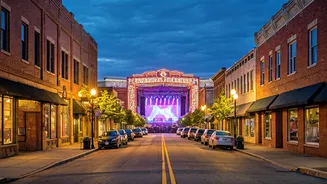
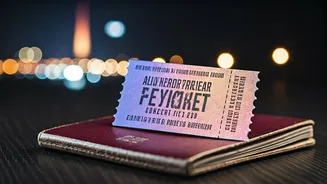
There’s also a surprisingly practical, if slightly bizarre, economic calculation at play. Anyone who has tried to buy tickets for a major tour recently is familiar with the digital Hunger Games of Ticketmaster queues and the eye-watering prices on resale markets. In major cities like New York or Los Angeles, a single nosebleed seat can be scalped for over a thousand dollars. This is where the concert trip math gets interesting. For many fans, the cost of a flight to a smaller, less competitive market (say, Indianapolis or Kansas City) plus a face-value ticket and a two-night hotel stay can actually be *cheaper* than buying that single resale ticket for their hometown show. It turns a moment of frustrating scarcity into an opportunity for an adventure. You didn't just get ripped off by a scalper; you invested in a mini-vacation.
From Souvenir to Social Currency
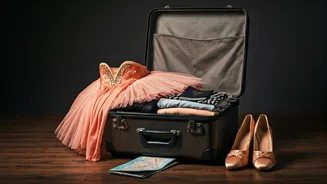
Of course, a “flex” is only a flex if other people see it. The concert trip is perfectly designed for the social media age. The entire journey provides a narrative arc ripe for content: the airport fit check, the unboxing of the merch, the hotel room tour, the pre-show meal, the friendship bracelets, and, of course, the concert itself. It’s not just about proving you were there; it’s about broadcasting the dedication and resources required to make it happen. It says, “I’m not just a fan; I’m a fan who travels.” This makes the experience a powerful form of social currency. It signals that you are part of a global community, you prioritize passion and adventure, and you have the savvy to pull off the complex logistics required. It’s a statement of identity as much as it is a vacation.