


From Side-Quest to Main Plot
For years, “nature” on vacation was often an afterthought—a quick hike tacked onto a business trip or a scenic drive during a city break. It was the side-quest you did after completing the main story. Now, it’s the entire plot. A “nature-first” escape
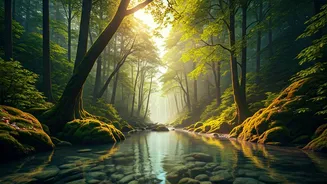
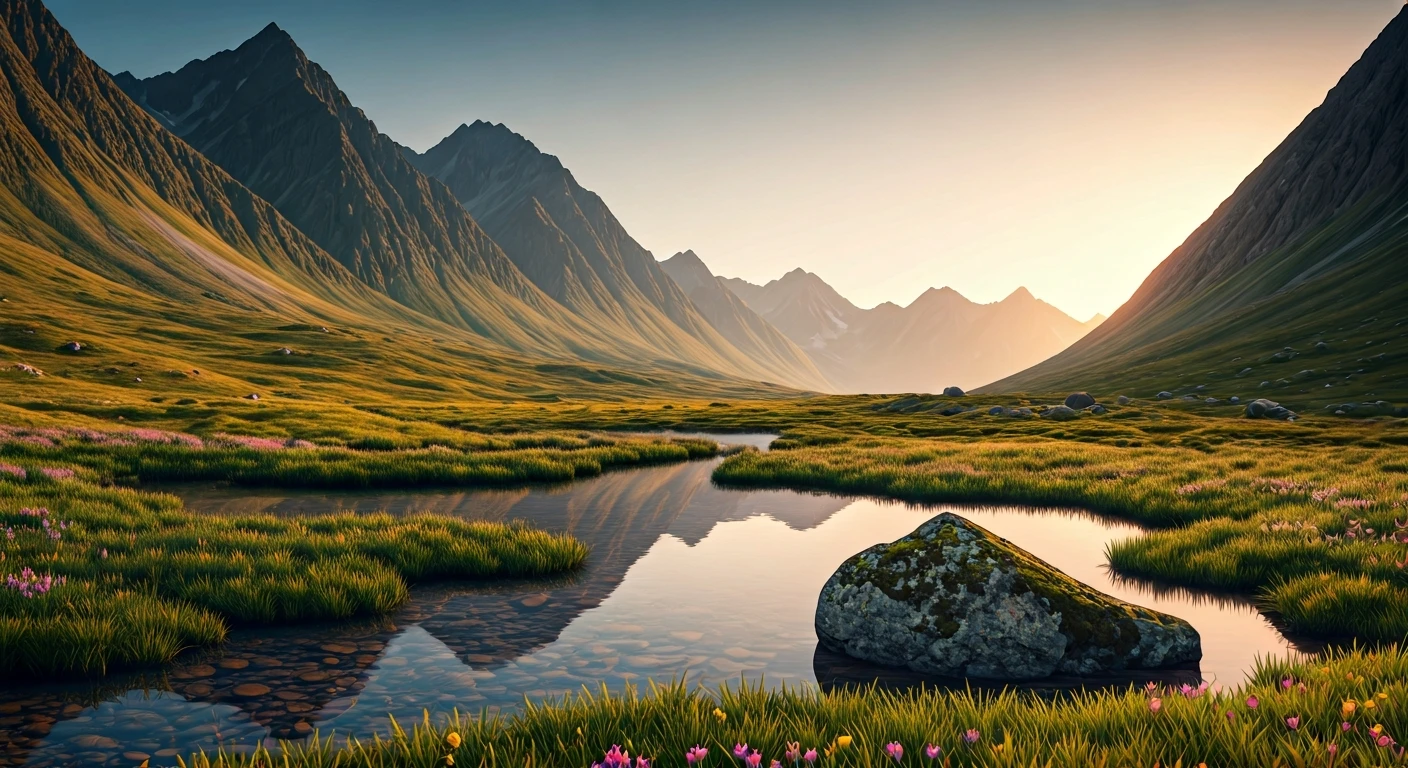
is a trip where the natural environment isn’t just the backdrop; it's the whole point. We’re talking about renting a glass-walled cabin in the Catskills specifically to watch the seasons change, booking a multi-day stay on a farm to learn about regenerative agriculture, or choosing a destination solely for its proximity to dark sky preserves for stargazing. The destination is no longer a city, but an ecosystem. This shift gives the natural world “main character energy,” centering it as the primary reason for logging off and packing a bag. The goal isn’t to conquer a checklist of sights, but to immerse, recharge, and reconnect with something more fundamental than a Wi-Fi signal.
The Great Indoors Burnout
So, why the sudden promotion? The answer lies in our collective exhaustion. The post-pandemic world has amplified our screen time, blurred the lines between work and home, and left many of us feeling overstimulated and disconnected from ourselves. Digital burnout is real, and the most potent antidote seems to be its polar opposite: the quiet, analog world of the great outdoors. A 2023 Expedia report noted a massive trend toward “no-normal” travel, where travelers are ditching the hustle for trips that offer wellness and mental rejuvenation. Nature provides that in spades. It doesn't send push notifications. It doesn’t demand productivity. Its rhythms are slow and predictable. This craving for quiet isn’t about being anti-social or anti-culture; it's about rebalancing our internal scales. After years of being confined indoors, we're seeking spaces that feel expansive and restorative, and a forest trail offers a kind of soul-cleansing clarity that a crowded museum simply can’t.
Not Your Grandfather’s Camping Trip
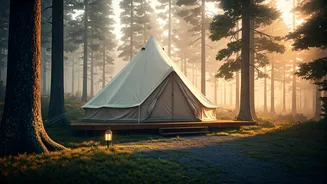
Let’s be clear: this trend isn't necessarily about roughing it with a pup tent and a can of beans. The modern nature-first escape is often layered with comfort, design, and intention. Think “agritourism,” where you stay at a beautifully appointed farmhouse and enjoy hyper-local, farm-to-table meals. Or consider the boom in “glamping,” with its safari-style tents featuring king-sized beds, wood-burning stoves, and private decks. The market is flooded with design-forward A-frame cabins, geodesic domes, and eco-lodges that offer luxury amenities with a minimal environmental footprint. These aren’t just places to sleep; they are curated experiences. You might find outdoor saunas, private yoga platforms overlooking a valley, or guided foraging tours included with your stay. This blend of rustic setting and modern comfort makes the outdoors accessible to a wider audience who may love the idea of the wilderness but aren't quite ready to give up a hot shower and a comfortable mattress.
The 'Gram-mable Wilderness
It’s impossible to ignore the aesthetic component driving this movement. While the desire to disconnect is a primary motivator, the urge to document that disconnection is a close second. Social media platforms like Instagram and TikTok are filled with the soft, earthy tones of “cabin core” and the aspirational tranquility of a misty morning in the mountains. A well-composed photo of a book and a mug of coffee on a porch overlooking a lake has become its own form of cultural currency. This isn’t just vanity; it's a new way of defining luxury. Instead of showing off an expensive watch, people are signaling status through experiences that suggest a life of balance and mindfulness. The irony is that the technology that causes our burnout is also the platform where we find inspiration for escaping it. This curated vision of the wilderness—clean, beautiful, and perfectly framed—makes the nature-first getaway feel not just desirable, but achievable.