
The Buffet's Long Reign
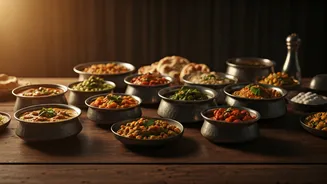
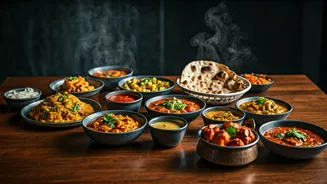
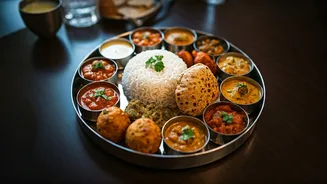
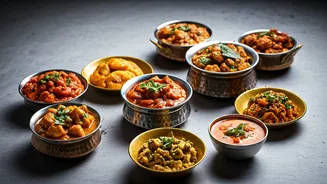
If you’ve eaten Indian food in America, you’ve likely stood before the all-you-can-eat lunch buffet. It was a brilliant, if broad, introduction. For a fixed price, you could sample a dozen dishes, from creamy chicken tikka masala and sag paneer to pillowy
naan and crispy samosas. For restaurateurs, the buffet was a practical solution to a complex problem: How do you introduce a vast, diverse, and often spicy cuisine to a population that might be hesitant to order an entire dish they’ve never heard of? The buffet was a low-risk gateway, a tasting menu for the masses that showcased familiar, Northern Indian-inspired hits. It was an act of culinary diplomacy, sacrificing specificity for accessibility. For a generation, this model worked, making Indian food a beloved staple in cities and suburbs across the country.
A Shift Towards Specificity
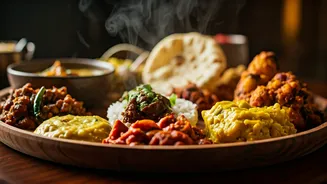
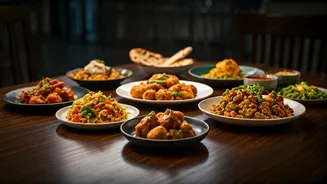
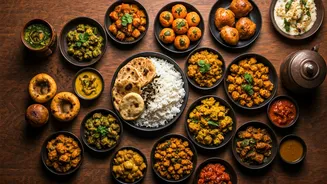
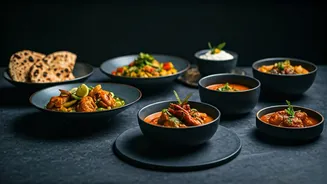
But lately, that familiar landscape has been changing. In cities like New York, San Francisco, and Houston, a new generation of Indian restaurants is betting on a completely different strategy. Instead of offering a sprawling, pan-Indian menu designed to please everyone, these establishments are going narrow and deep. They are proudly proclaiming their regional roots, serving dishes from a single state, city, or culinary tradition. You’ll find restaurants dedicated to the coastal seafood of Kerala, the fiery meat dishes of Rajasthan, the complex vegetarian thalis of Gujarat, or the unapologetically funky street food of Mumbai. The menu might be just a single page, but every item on it tells a story about a specific place. This isn't about rejecting the classics; it's about revealing the staggering, brilliant diversity that was always there, just waiting for its moment in the spotlight.
The Drivers of Change
So, why is this happening now? A few key factors are at play. First, there's a new generation of Indian-American chefs who are unwilling to compromise or dilute the flavors they grew up with. Trained in top culinary schools and proud of their heritage, they are eager to showcase the “real” food of their families, not just the anglicized versions. Second, American diners have become far more adventurous. Thanks to travel, the internet, and a more globalized food culture, a menu item like goat brains or a fermented rice batter pancake (dosa) is no longer seen as intimidating but as an exciting discovery. Finally, there's a sense of cultural confidence. The Indian diaspora is no longer just trying to fit in; it’s ready to lead, sharing its culture on its own terms. This means serving dishes with their original names, heat levels, and complex spice profiles intact.
From Comfort Food to Culinary Art
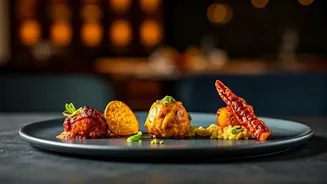
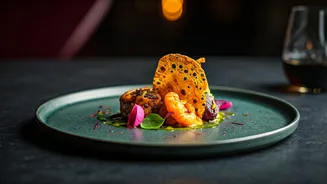
The result is a thrilling evolution for diners. Where the buffet offered a comforting but uniform experience, these new restaurants offer a passport. Instead of another butter chicken, you might find yourself eating a Goan fish curry, fragrant with coconut and tangy kokum fruit. Instead of a standard vegetable korma, you could be exploring the subtle, steamed lentil cakes of a Gujarati farsan platter. Restaurants like Dhamaka in New York City became famous for celebrating the “forgotten” recipes of rural India, while spots like Semma earned a Michelin star for focusing on the soulful, southern Indian cooking of Tamil Nadu. This isn't just a trend; it's a re-education, proving that “Indian food” is not a monolith but a subcontinent of distinct, vibrant, and delicious cuisines.