
The Evolution of the Home Flex
Every era has its domestic signifiers of taste and success. For years, the ultimate small-home “flex” was the perfectly styled bar cart, signaling a life of sophisticated hosting and artisanal cocktails. Before that, it might have been a wall of records
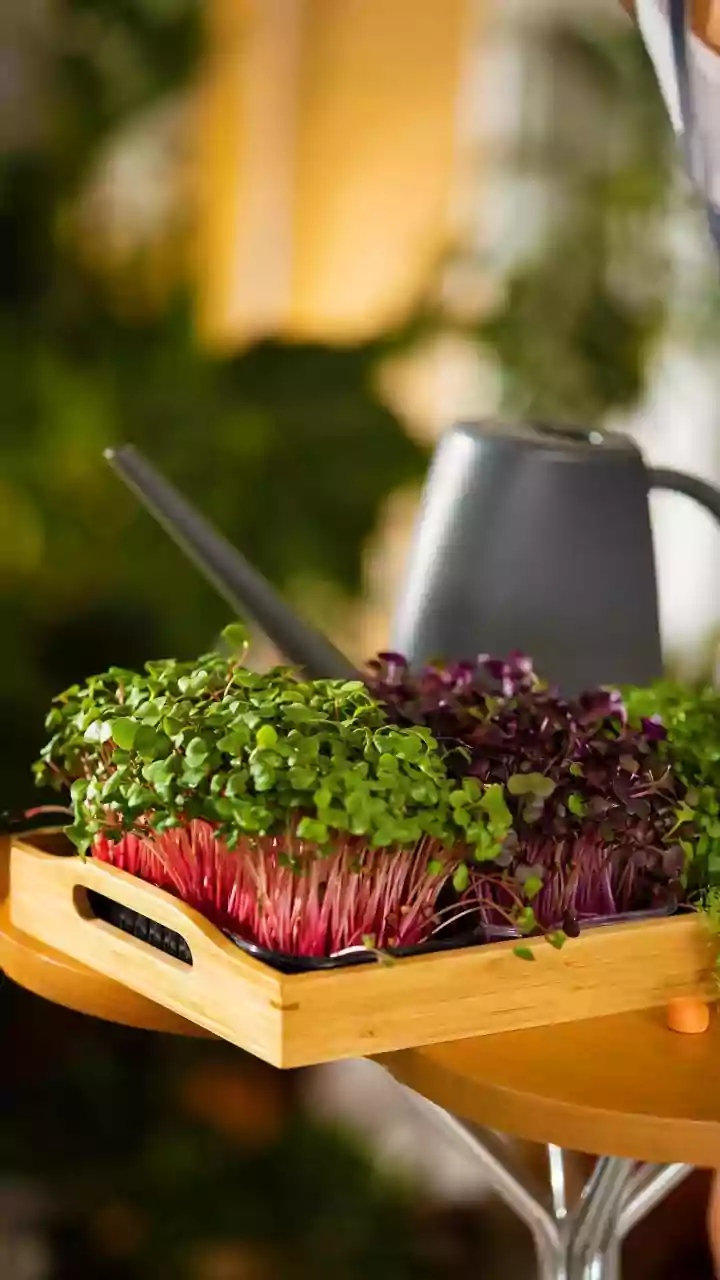
or a shelf of color-coded books. But today, as our values shift toward wellness, sustainability, and hands-on hobbies, the aspirational centerpiece has become something far more organic. Enter the kitchen herb garden. It’s not about ostentatious wealth, but a different kind of currency: the luxury of freshness, the aesthetic of self-sufficiency, and the quiet satisfaction of cultivating something yourself. In apartments and condos where square footage is precious, dedicating space to living plants that you can actually eat speaks volumes. It says you value quality, flavor, and a connection to what you consume, even in the heart of a city.
More Than Just a Garnish
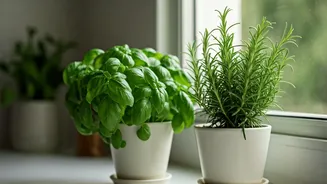
The rise of the herb garden is inextricably linked to our national obsession with food culture. Having a sprig of rosemary that hasn't languished in a plastic clamshell from the grocery store is a culinary power move. It’s the difference between just making dinner and *crafting a meal*. A few fresh basil leaves can elevate a simple pasta, and a snip of cilantro can transform homemade tacos. This immediate access to flavor is a foodie status symbol that money can’t quite buy—it requires care and attention.
Beyond the taste, it plugs directly into the wellness zeitgeist. We’re constantly told to eat fresh, whole foods, and what’s fresher than snipping mint for your water from a pot two feet away? It represents a small but meaningful step toward a healthier lifestyle, turning a passive living space into an active participant in your well-being. It’s a tangible, fragrant reminder of a commitment to yourself.
The Aesthetic of Living Decor
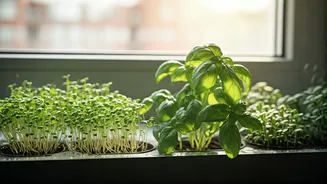
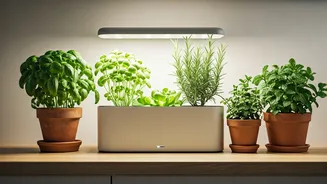
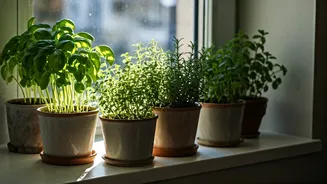
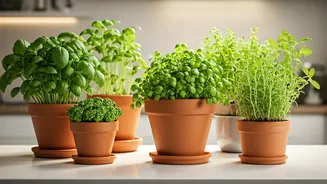
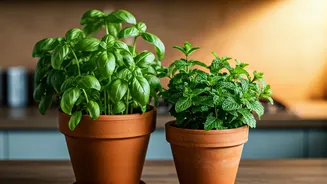
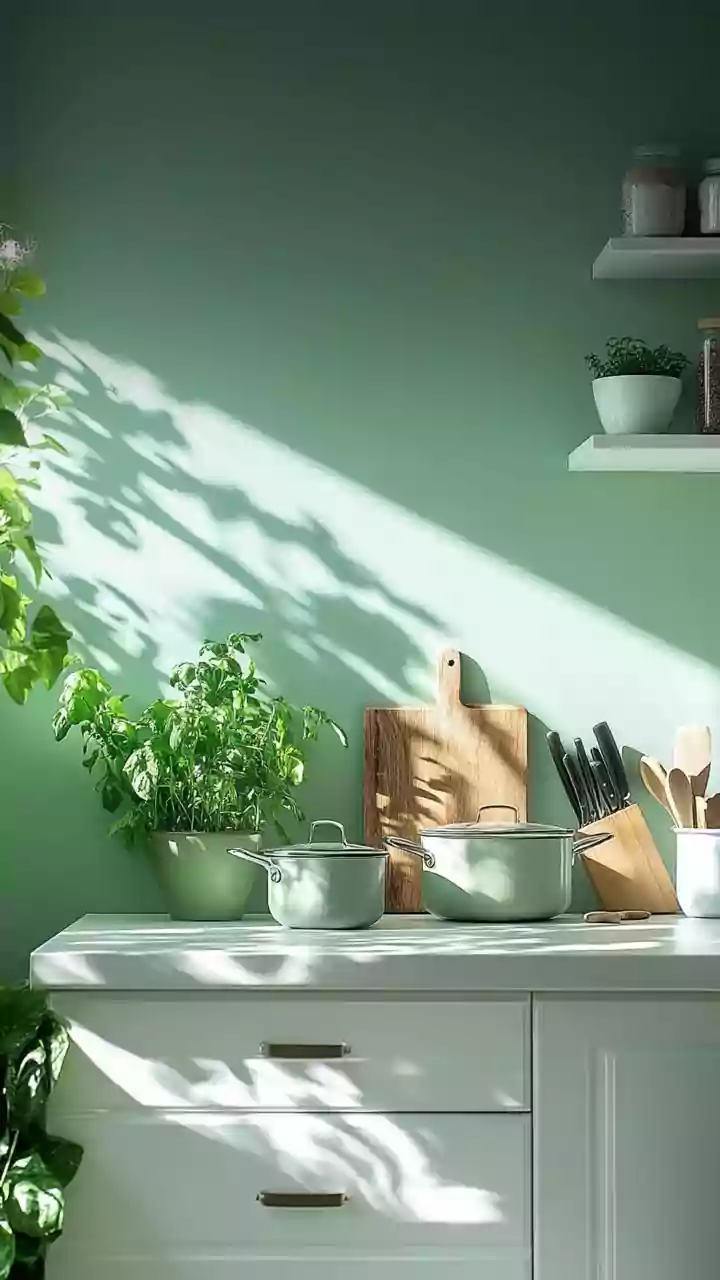
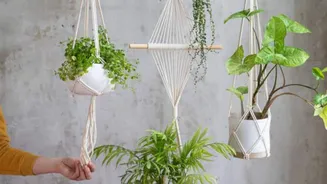
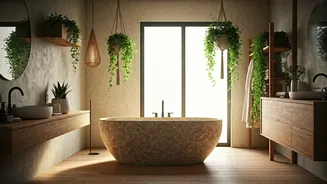
Let’s be honest: it also just looks great. The herb garden is the perfect accessory for the modern home, blending multiple design trends into one leafy package. It taps into biophilic design—the concept that connecting with nature indoors is good for our psyche. A row of terracotta pots with vibrant green shoots softens the hard edges of a modern kitchen and adds a splash of life to minimalist decor.
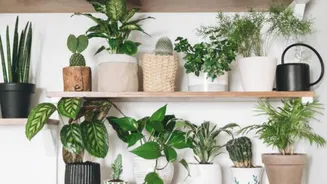
It’s also a key player in the enduring #cottagecore and #urbanjungle aesthetics that have dominated social media feeds. A thriving herb garden suggests a wholesome, capable, nurturing personality. It’s a living decoration that does more than just sit there; it grows, changes, and contributes. Posting a picture of your morning coffee next to your flourishing parsley isn’t just a photo—it’s a narrative about the kind of life you’re cultivating.
A Small Act of Rebellion
In an age of hyper-convenience and consumerism, growing your own anything is a small act of rebellion. An indoor herb garden is a vote for sustainability, reducing your reliance on produce that’s been shipped across the country and wrapped in plastic. It’s a tiny declaration of independence from the supply chain.
This sense of self-reliance is a powerful psychological reward. While you might not be living off the grid, you are providing something for yourself. This became especially resonant in recent years, as lockdowns and supply chain issues reminded us of our vulnerabilities. The ability to grow your own food, even on a micro scale, offers a comforting illusion of control and resilience. It’s a low-stakes way to connect with a timeless human practice.
The Accessible Accomplishment
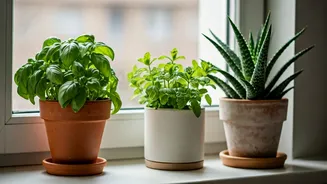
Perhaps the biggest reason for the herb garden’s rise as a flex is its accessibility. Unlike mastering the art of sourdough, which requires patience, precision, and a high tolerance for failure, starting an herb garden is relatively straightforward. A sunny windowsill, a few pots, some soil, and starter plants are all you need. The barrier to entry is low, but the sense of accomplishment is high.
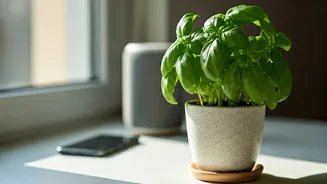
Watching a seed sprout or a small plant thrive under your care provides a quick, tangible win. In a world of abstract digital work and long-term goals, the simple success of keeping a basil plant alive is deeply gratifying. It’s a hobby that gives back instantly, with fragrance, flavor, and beauty. That daily reward is a flex in itself.